contemporary art gallery since 1969
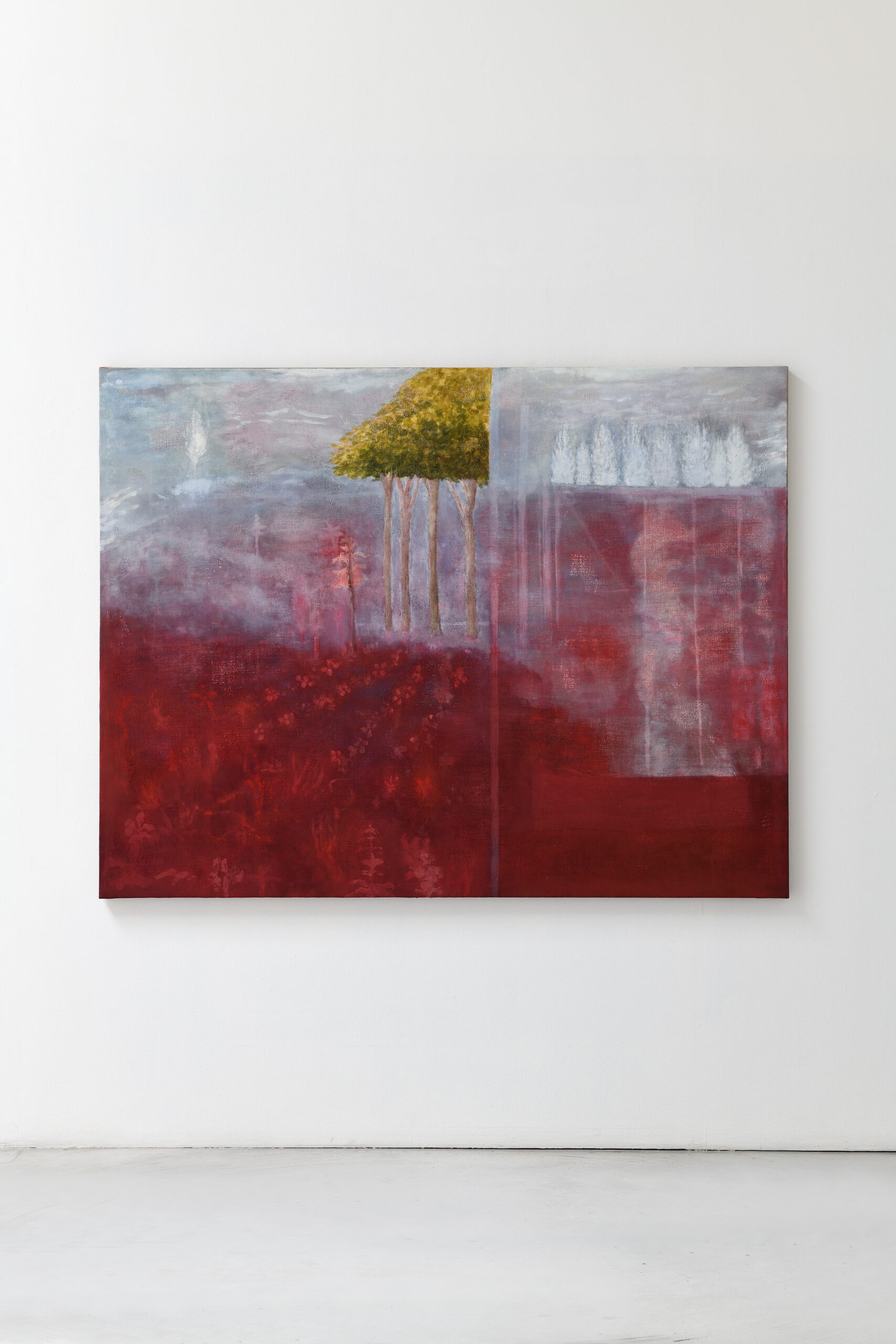
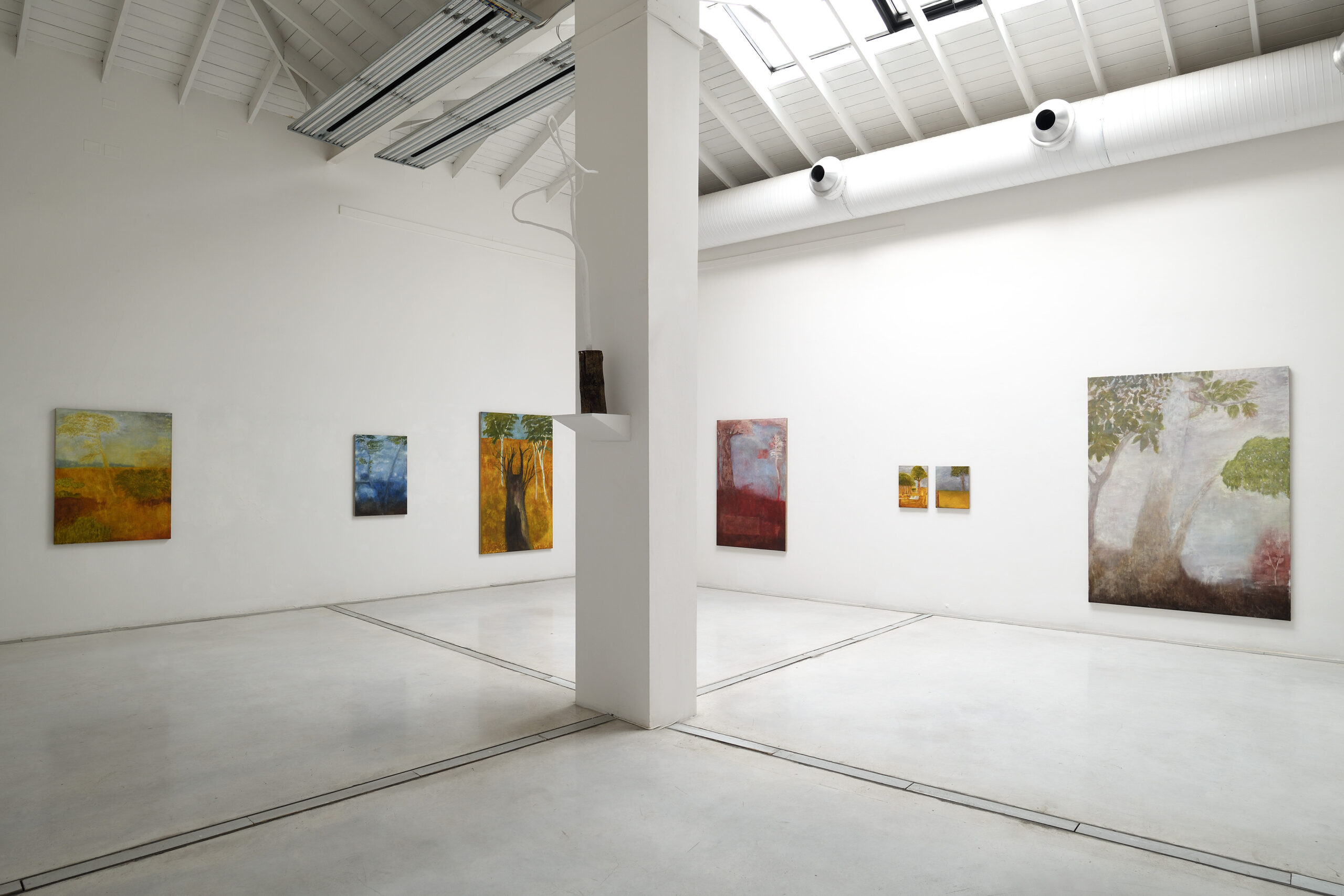
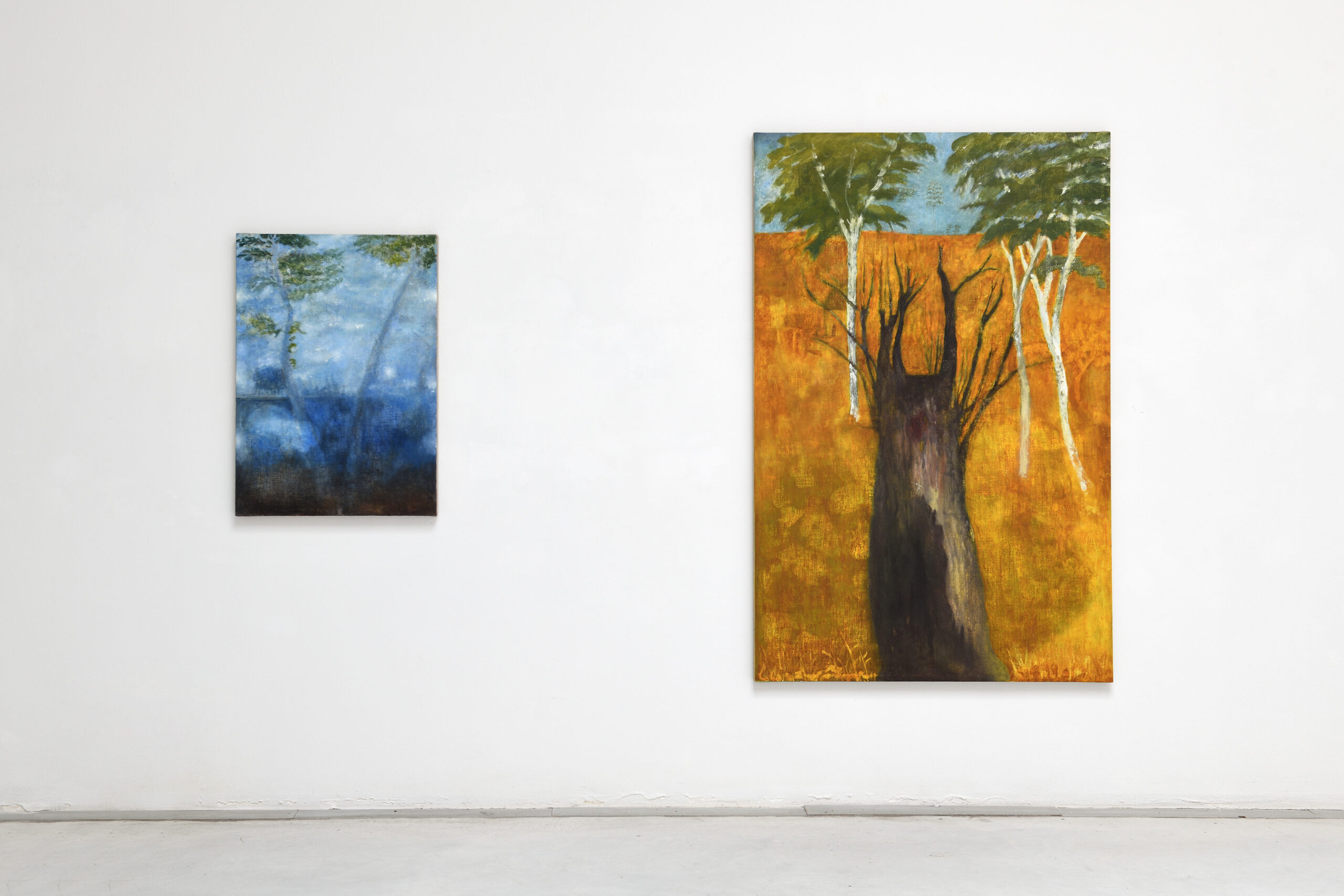
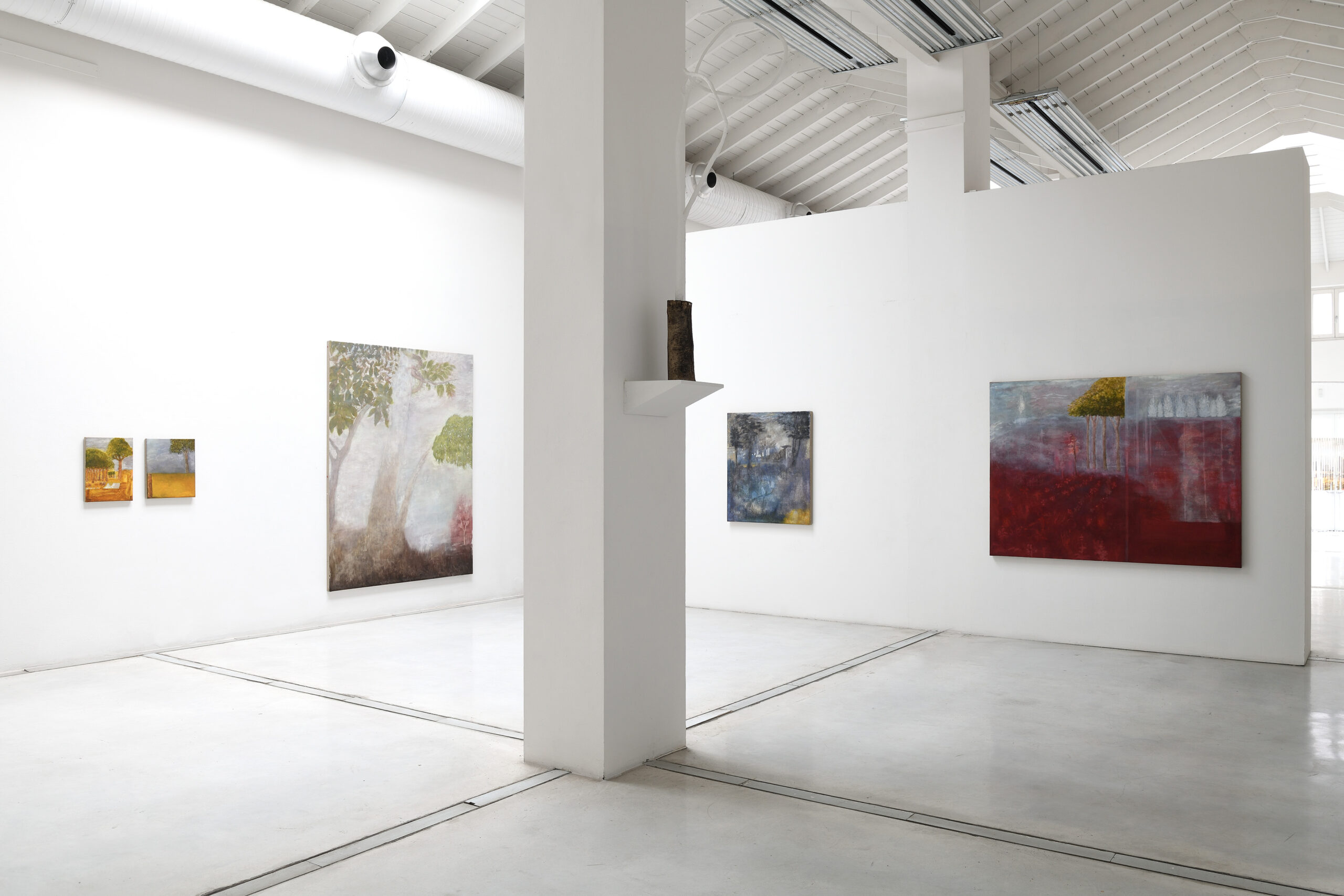
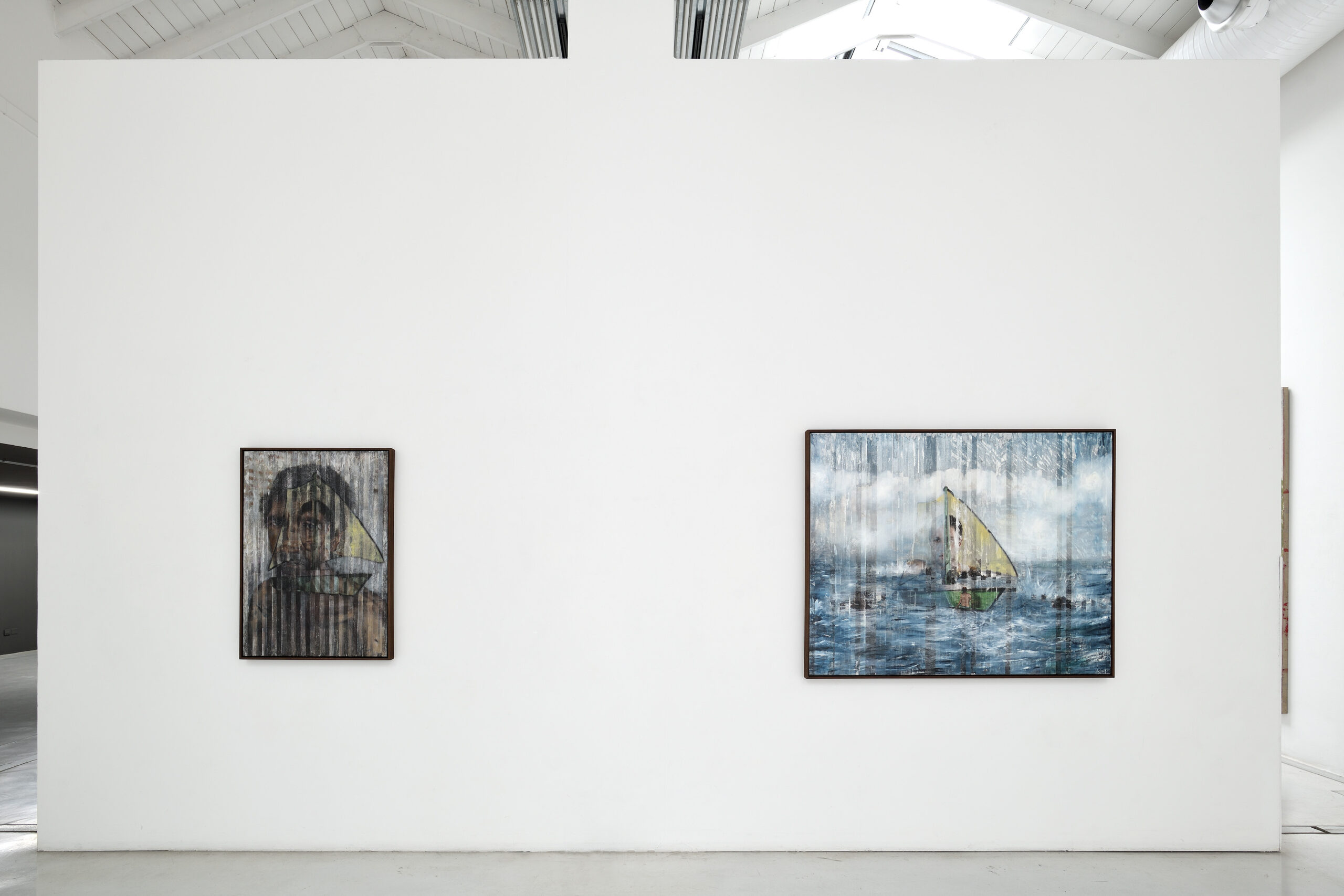
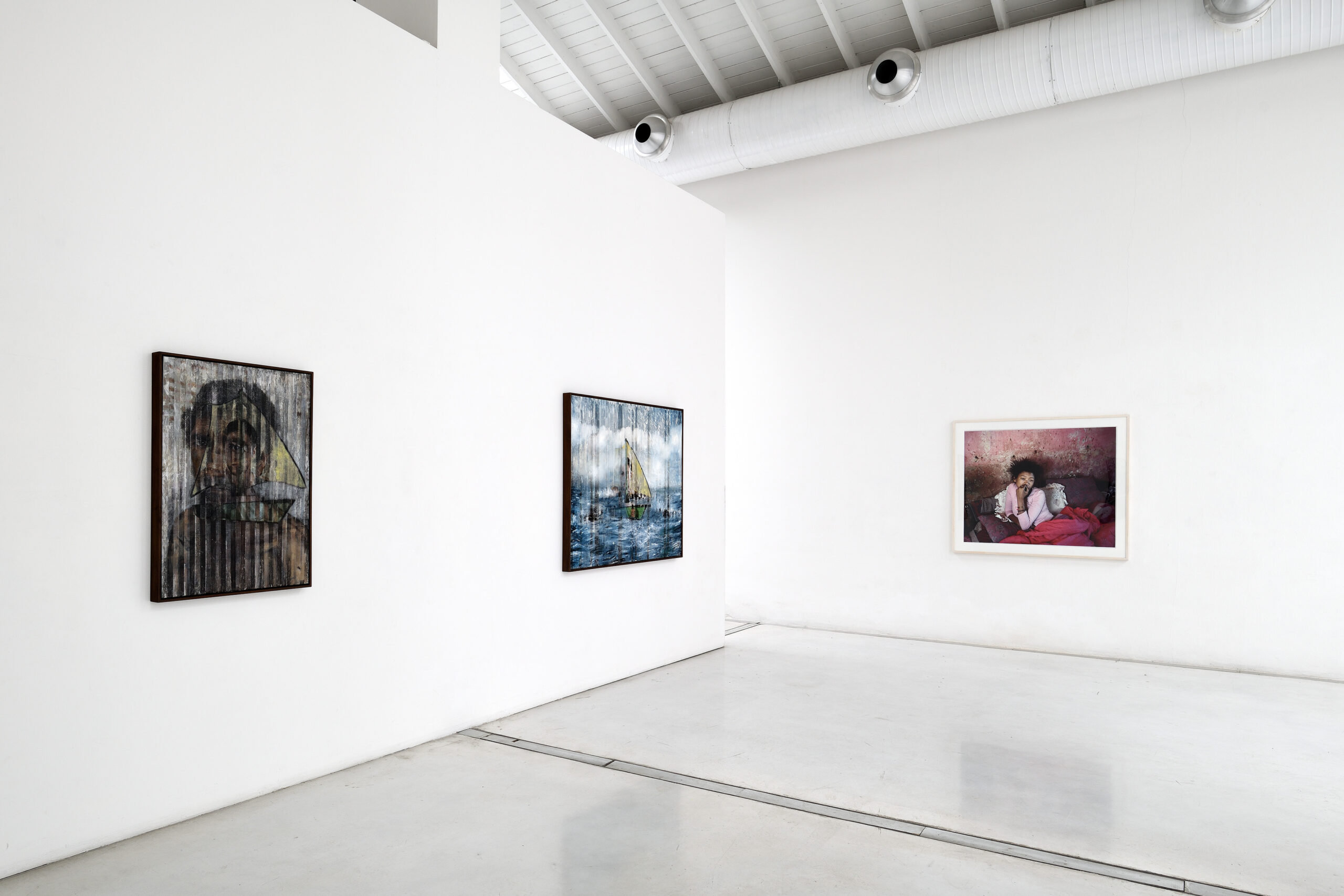
In February 2026, I agreed to a solo exhibition in Verona featuring my new paintings, portraits, and the film Between Hope and Alameda.
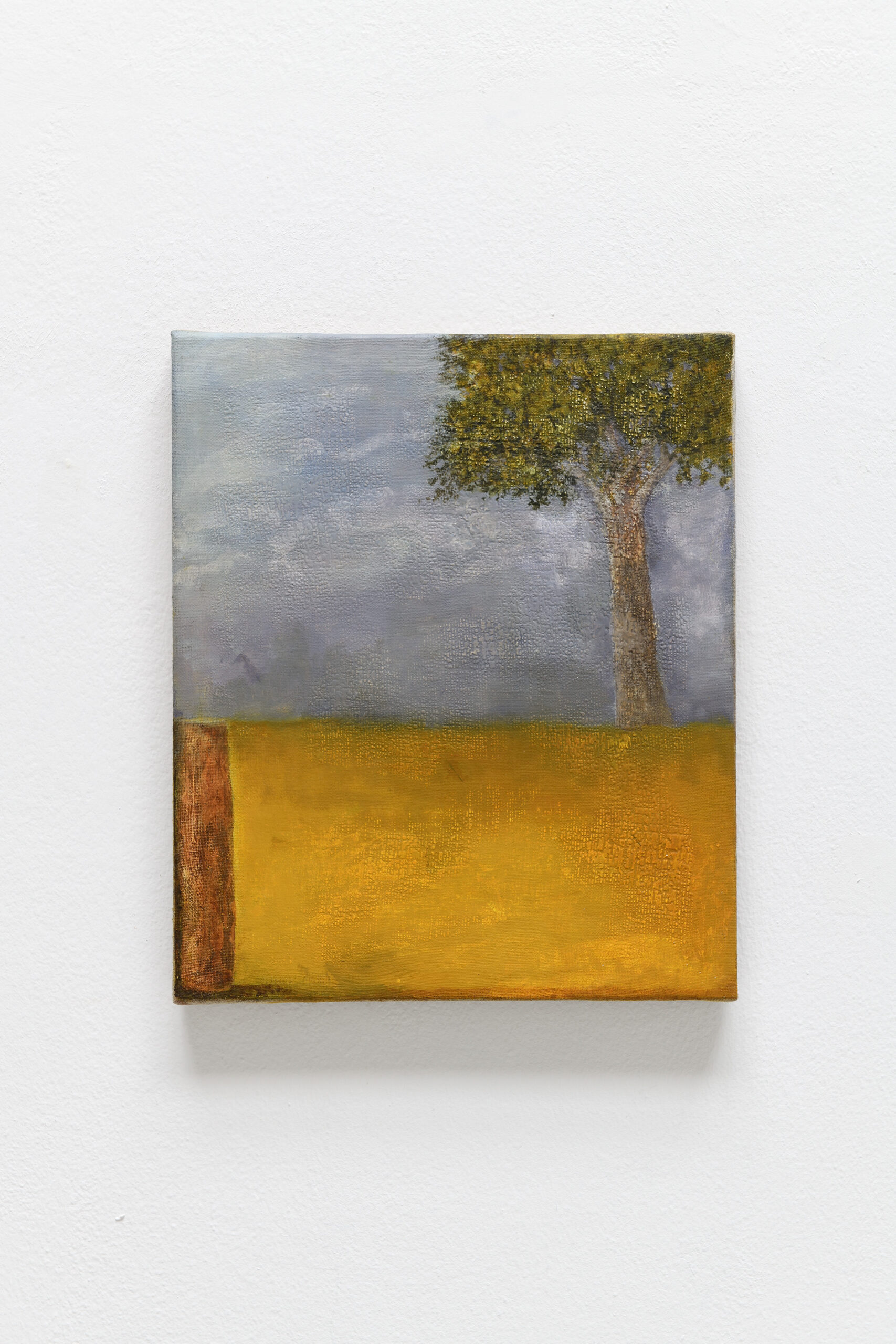
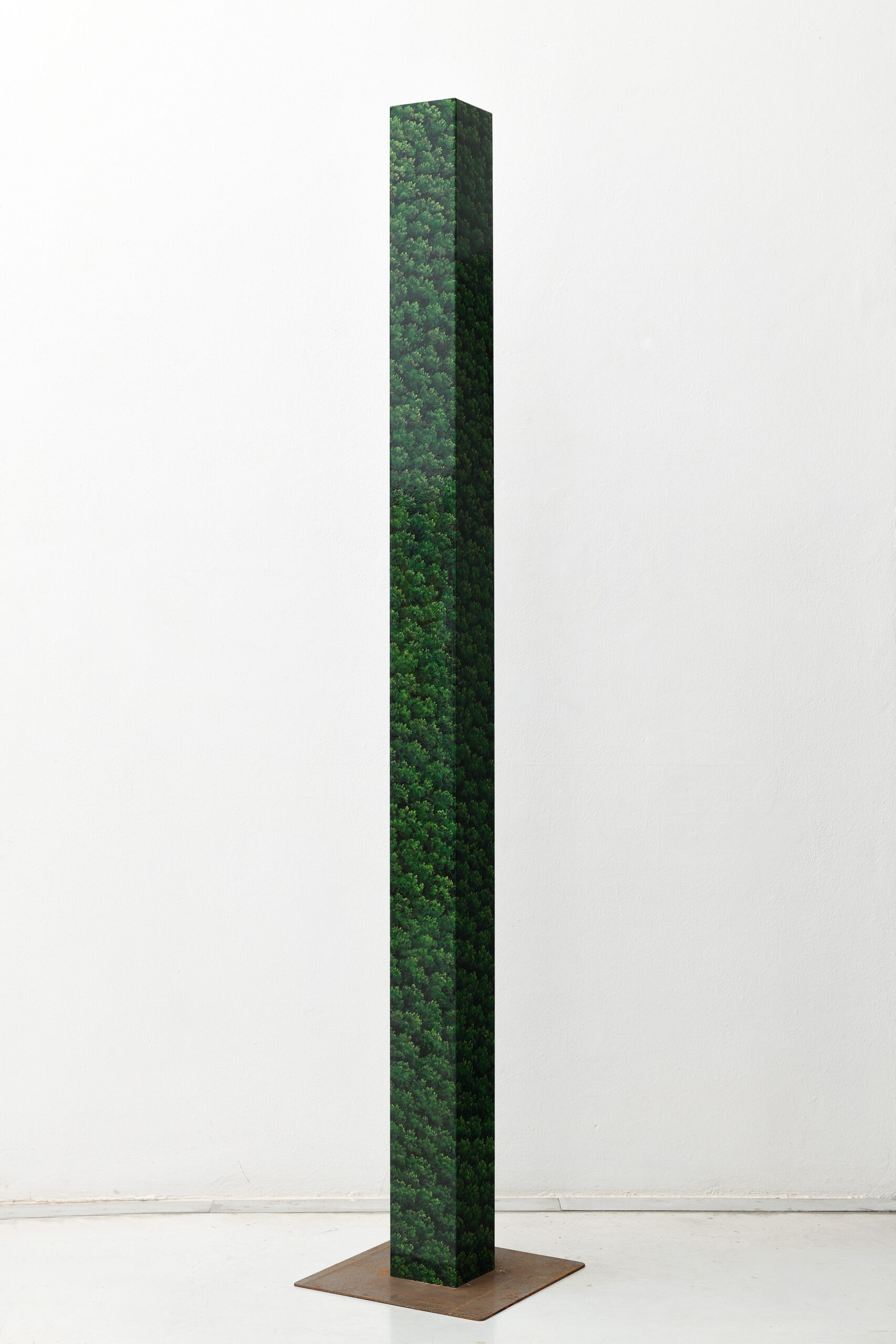
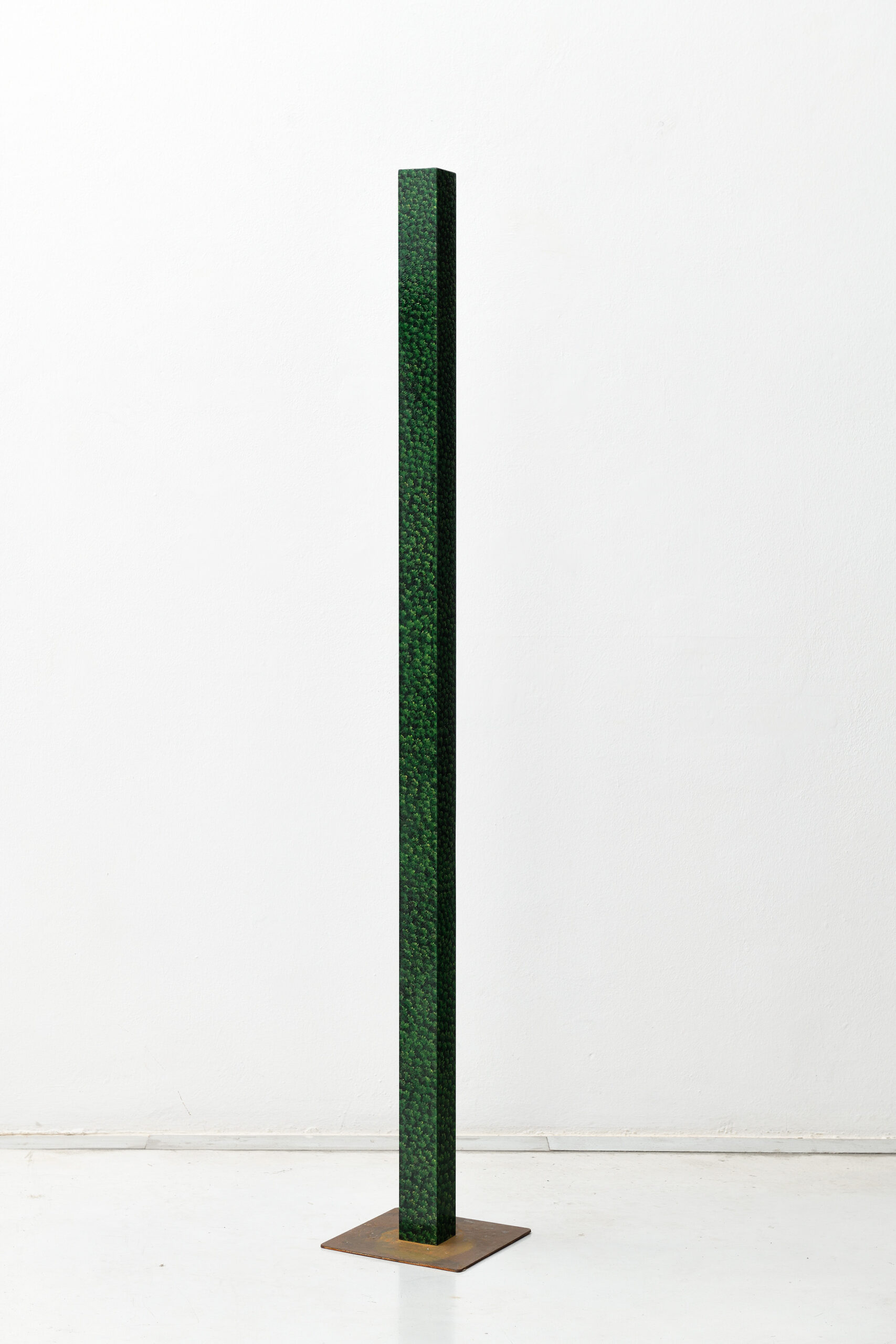
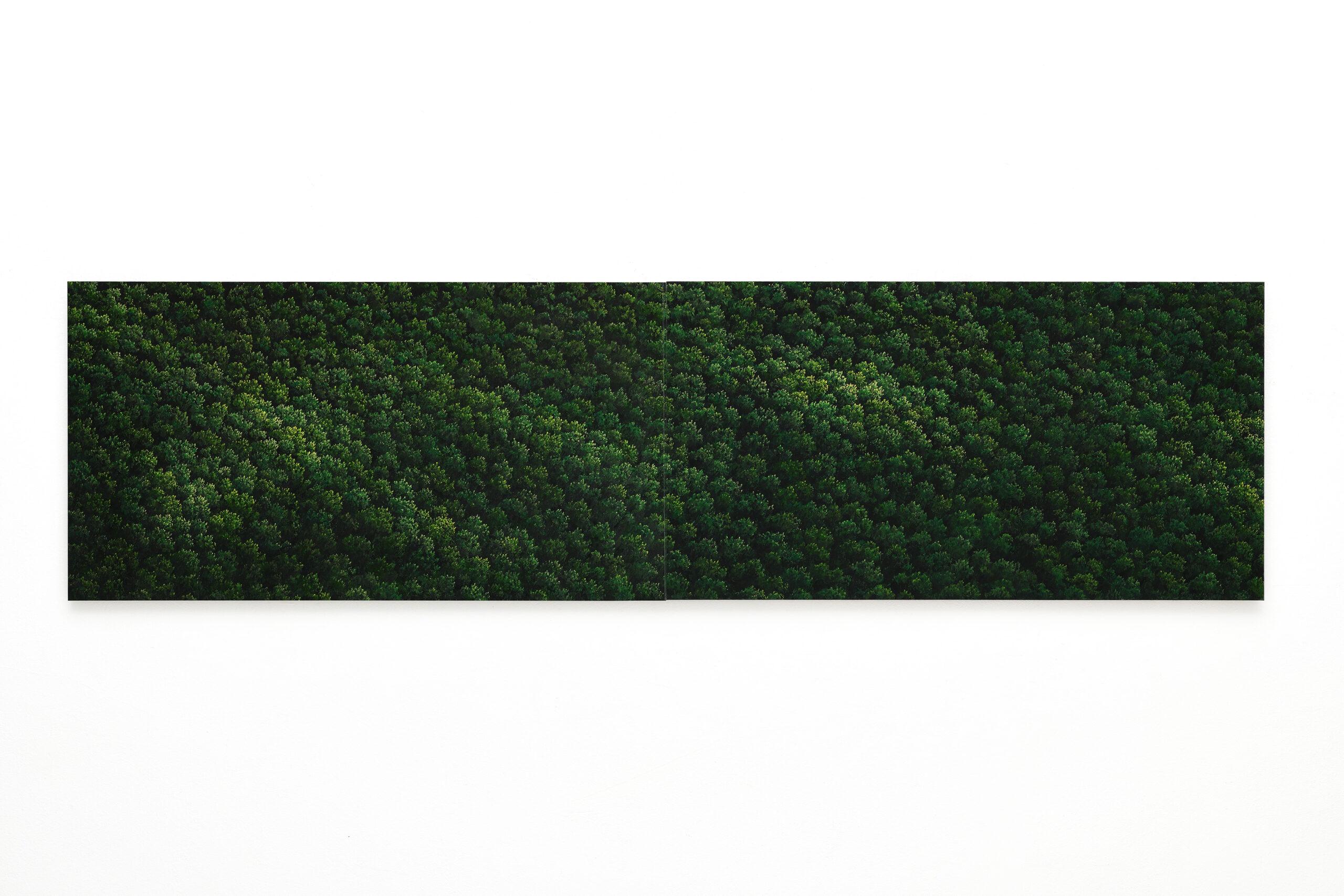
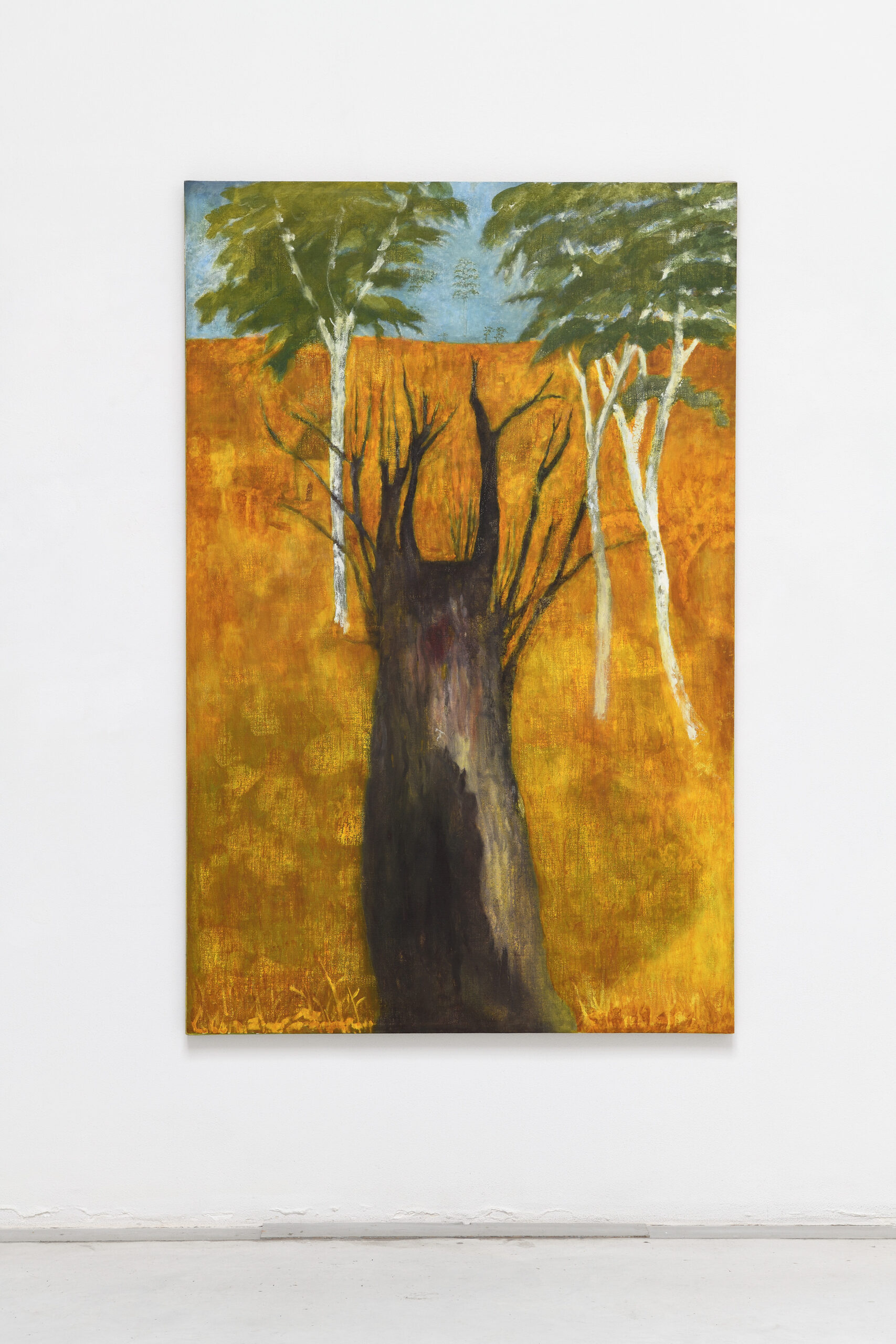
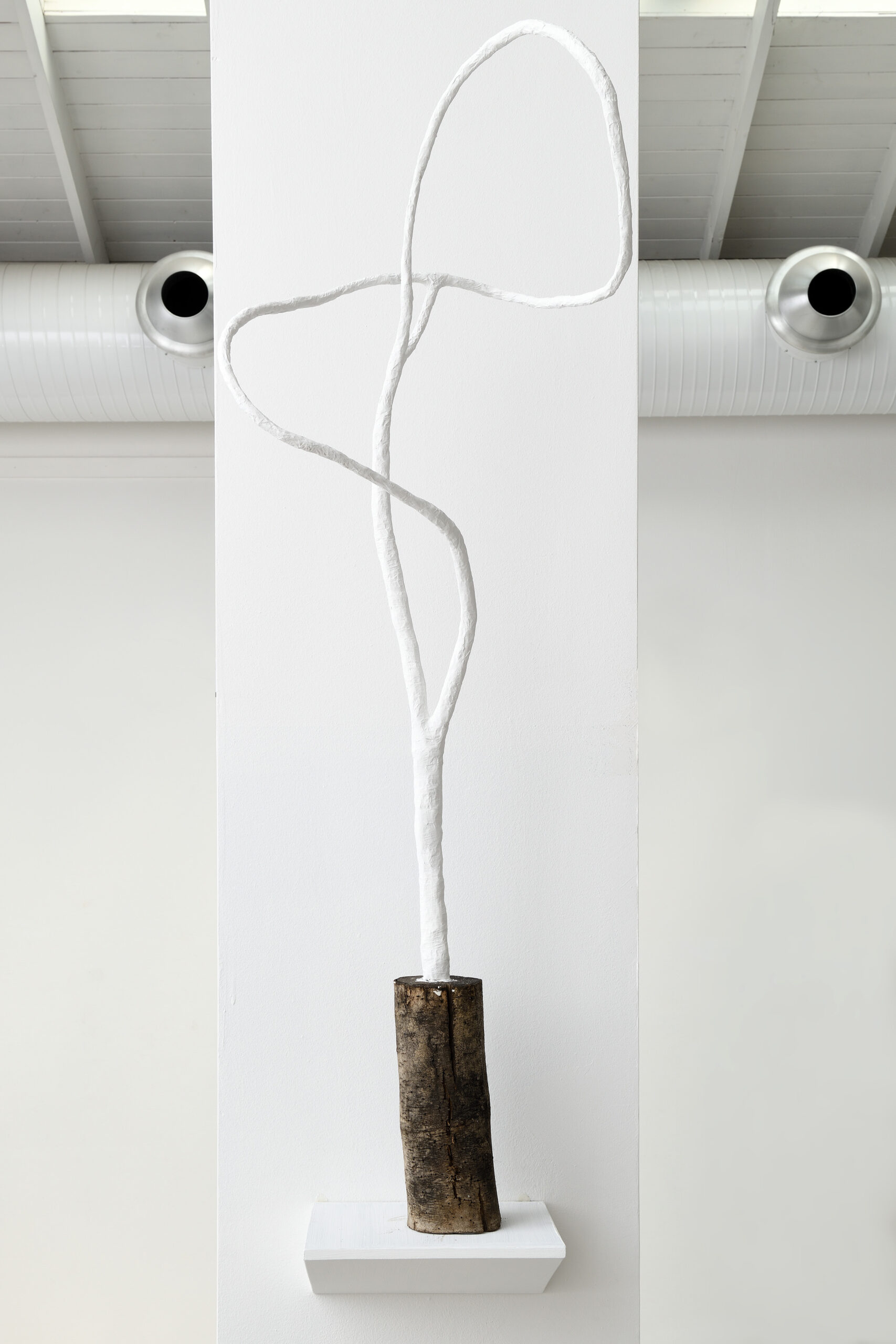
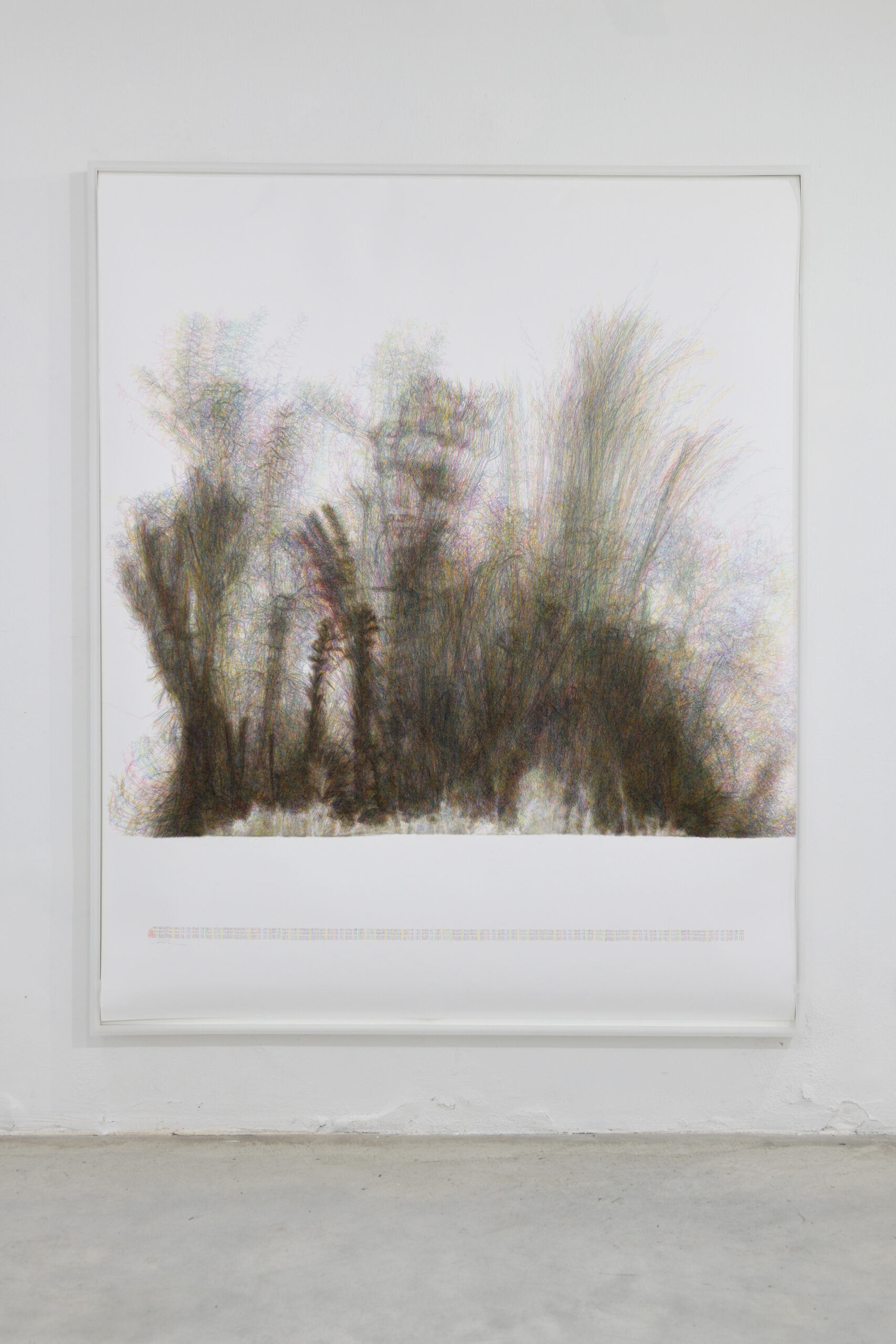
Following a visit to the Prado Museum, where I sketched background trees from historical masterpieces, I decided to turn these background elements into primary subjects.
This project extends my 25-year practice of bringing marginalized trees to the forefront, treating them as “stars” to subvert traditional perspective and restore their dignity.
Lucas Reiner, 2026
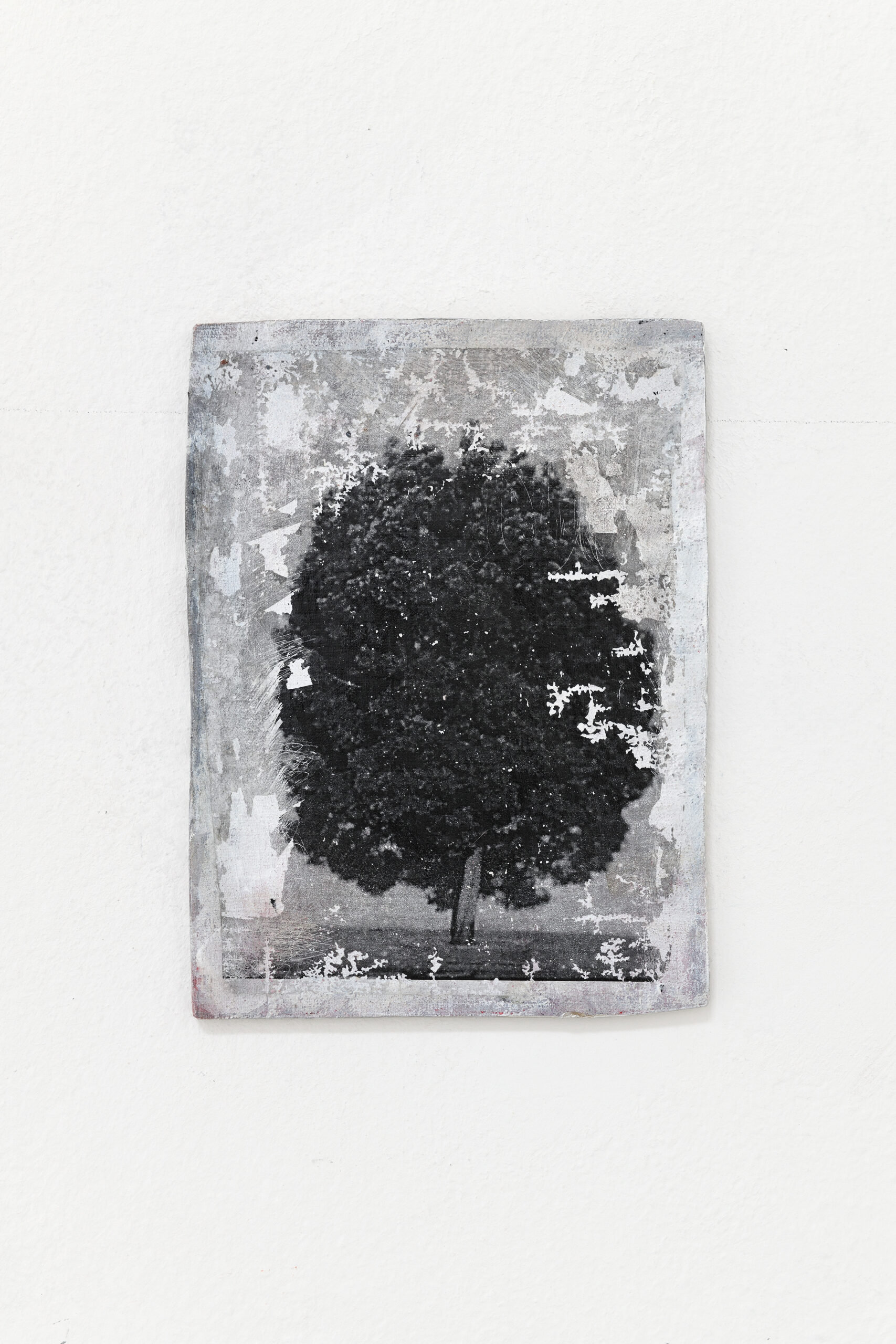
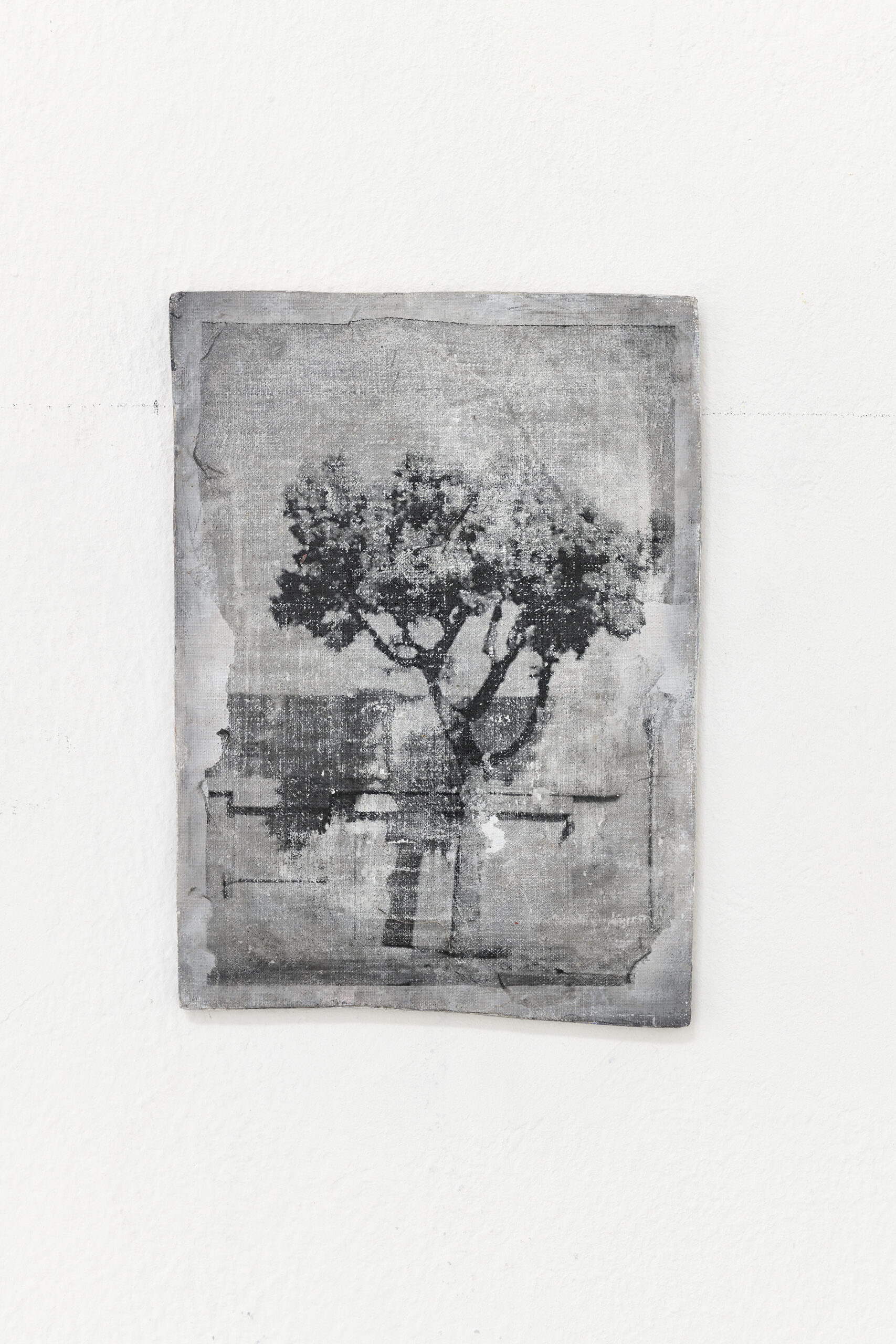
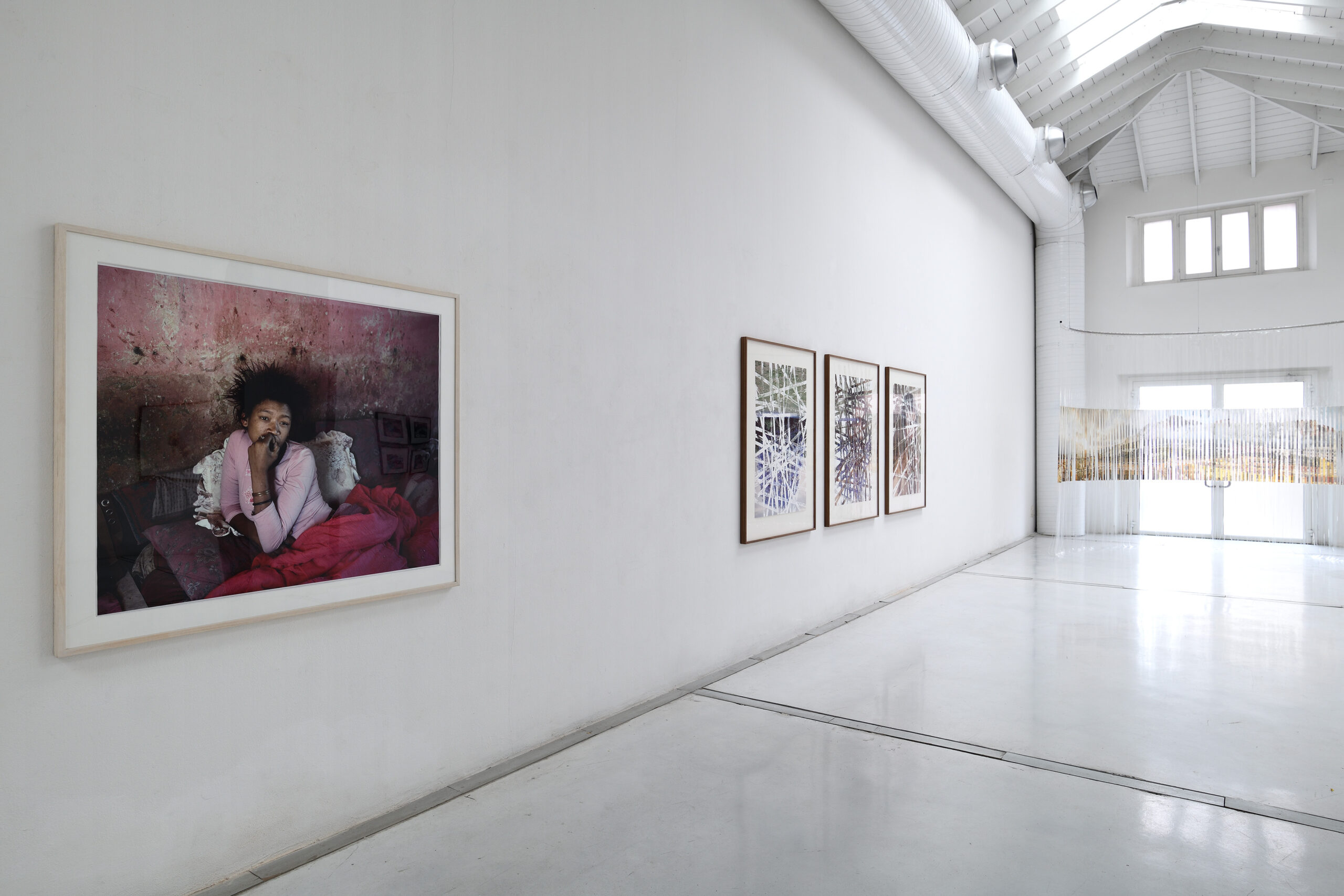
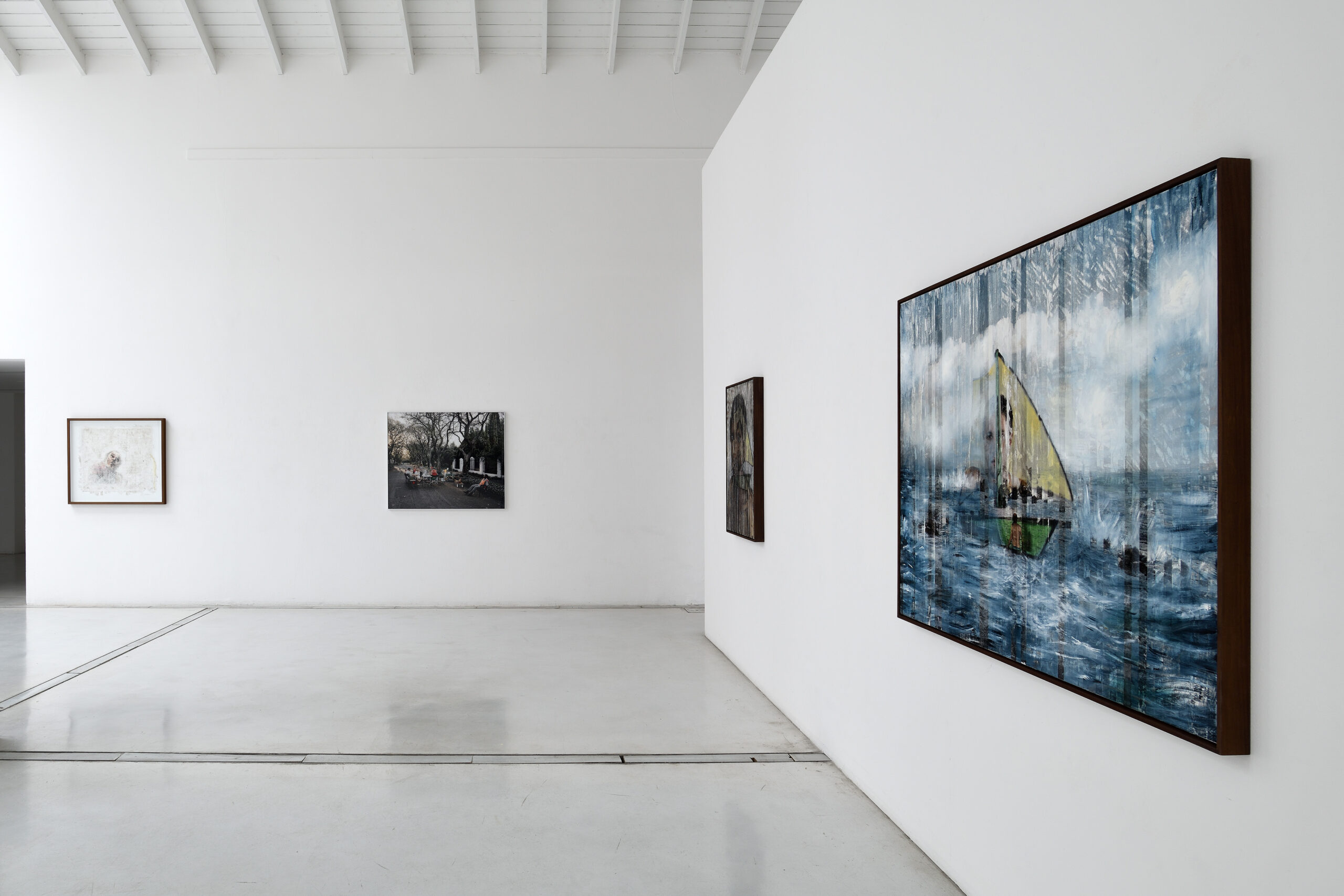
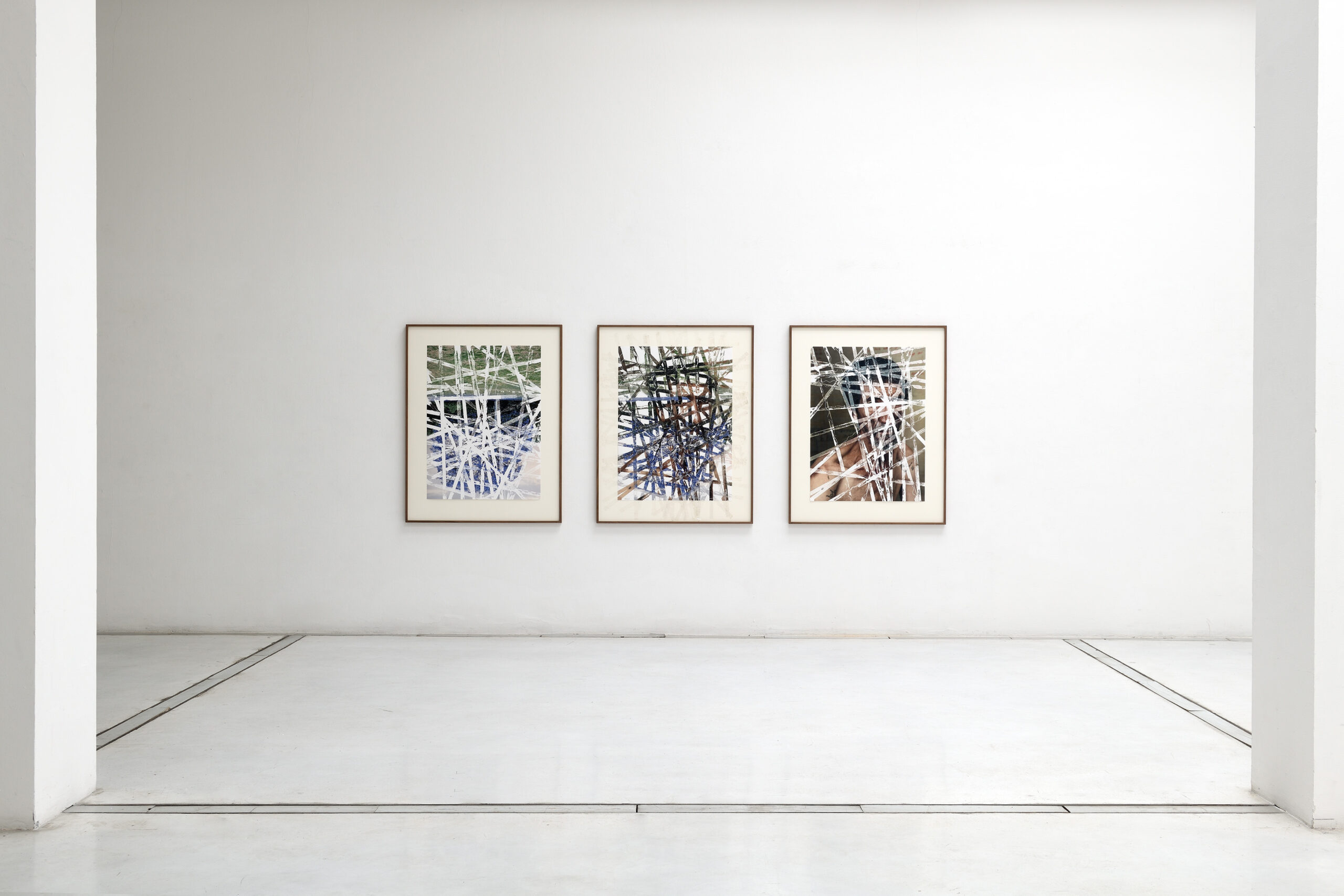
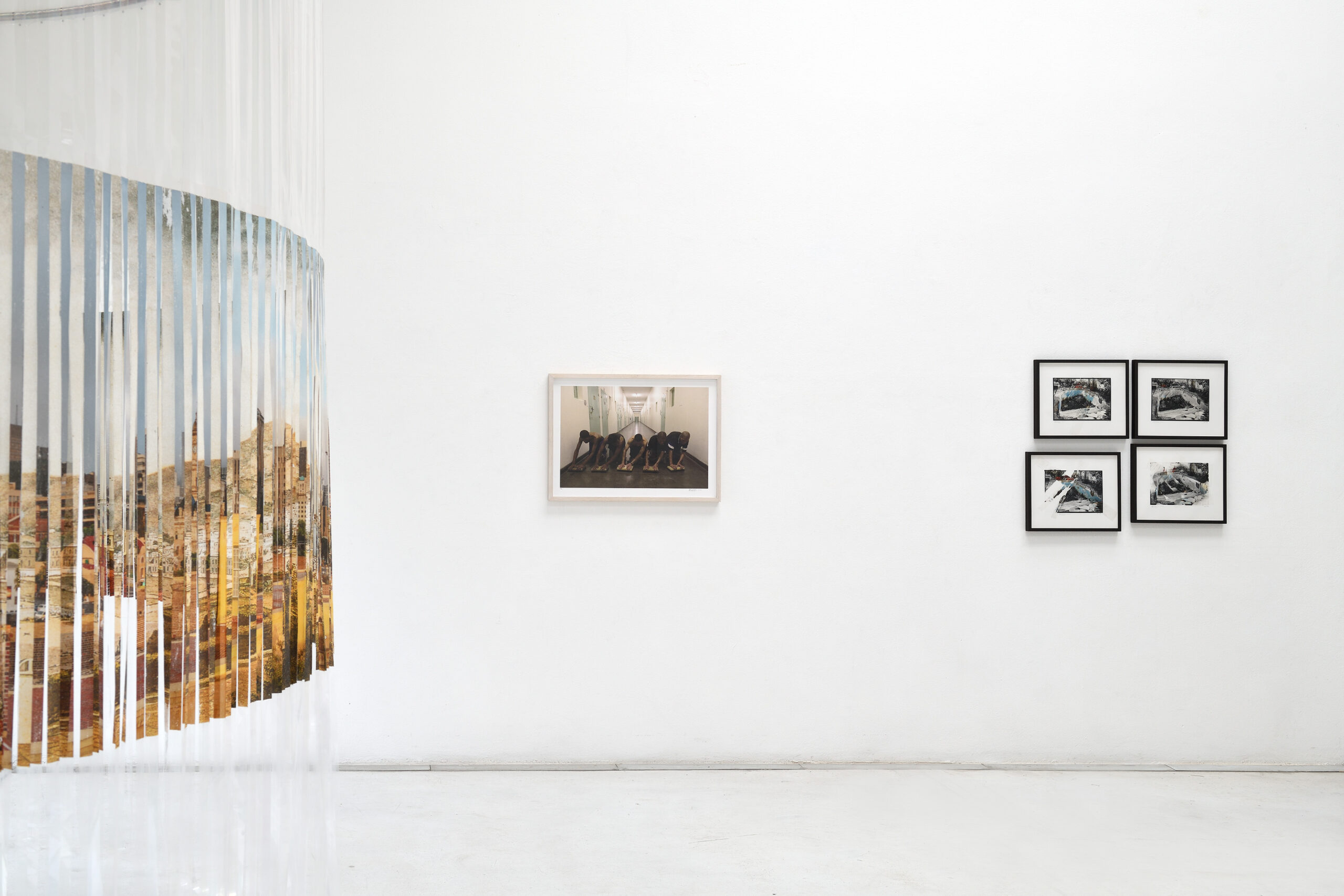
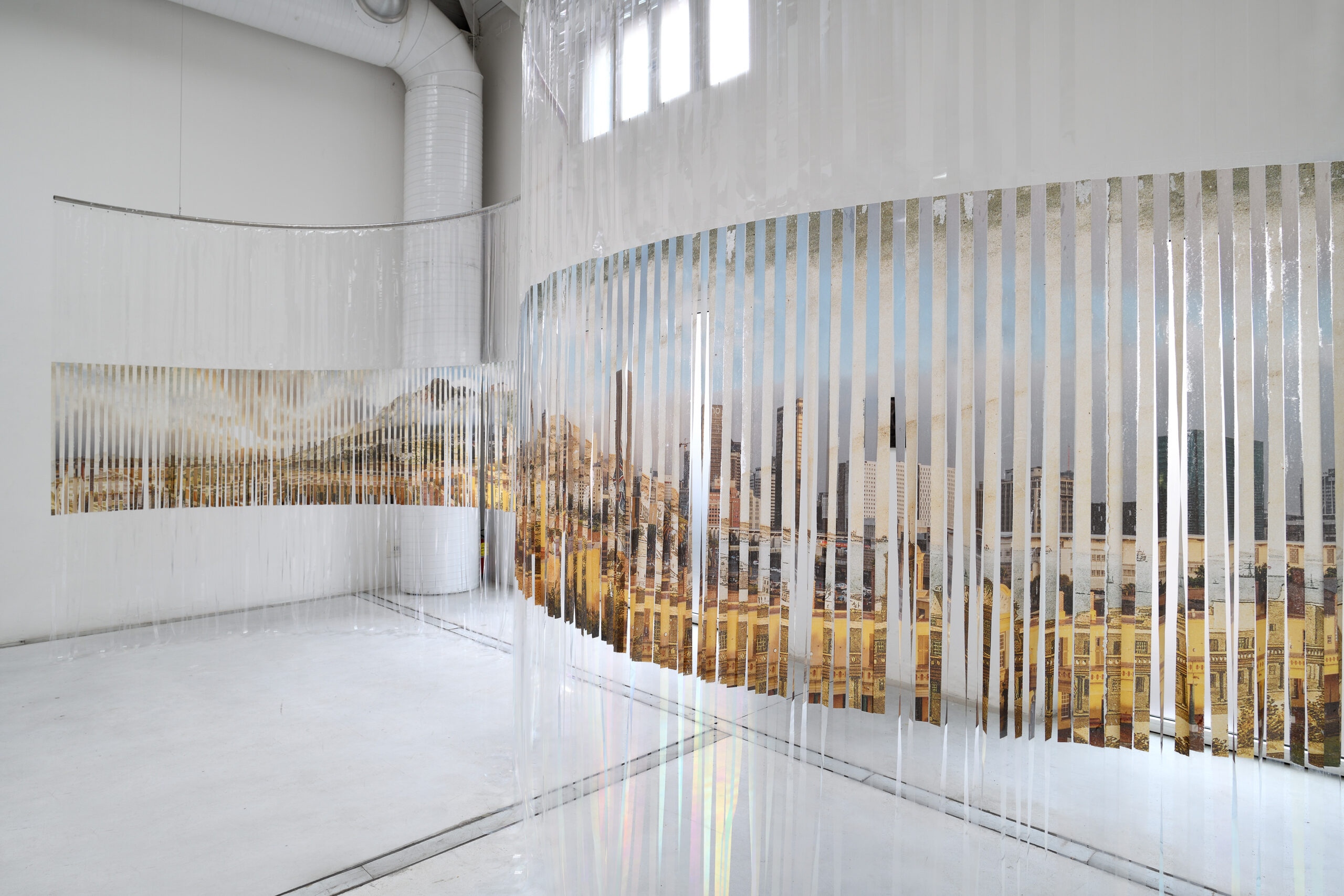
Mikhael Subotzky’s practice critically investigates contemporary South Africa’s socio-political narratives and the politics of representation.
Through photography, film, and his “Sticky Tape Transfer” technique, he deconstructs images to expose continuities between colonial history and present-day marginalization.
His work intertwines intimate reflection with social critique, using visual fractures as metaphors for collective inequalities.
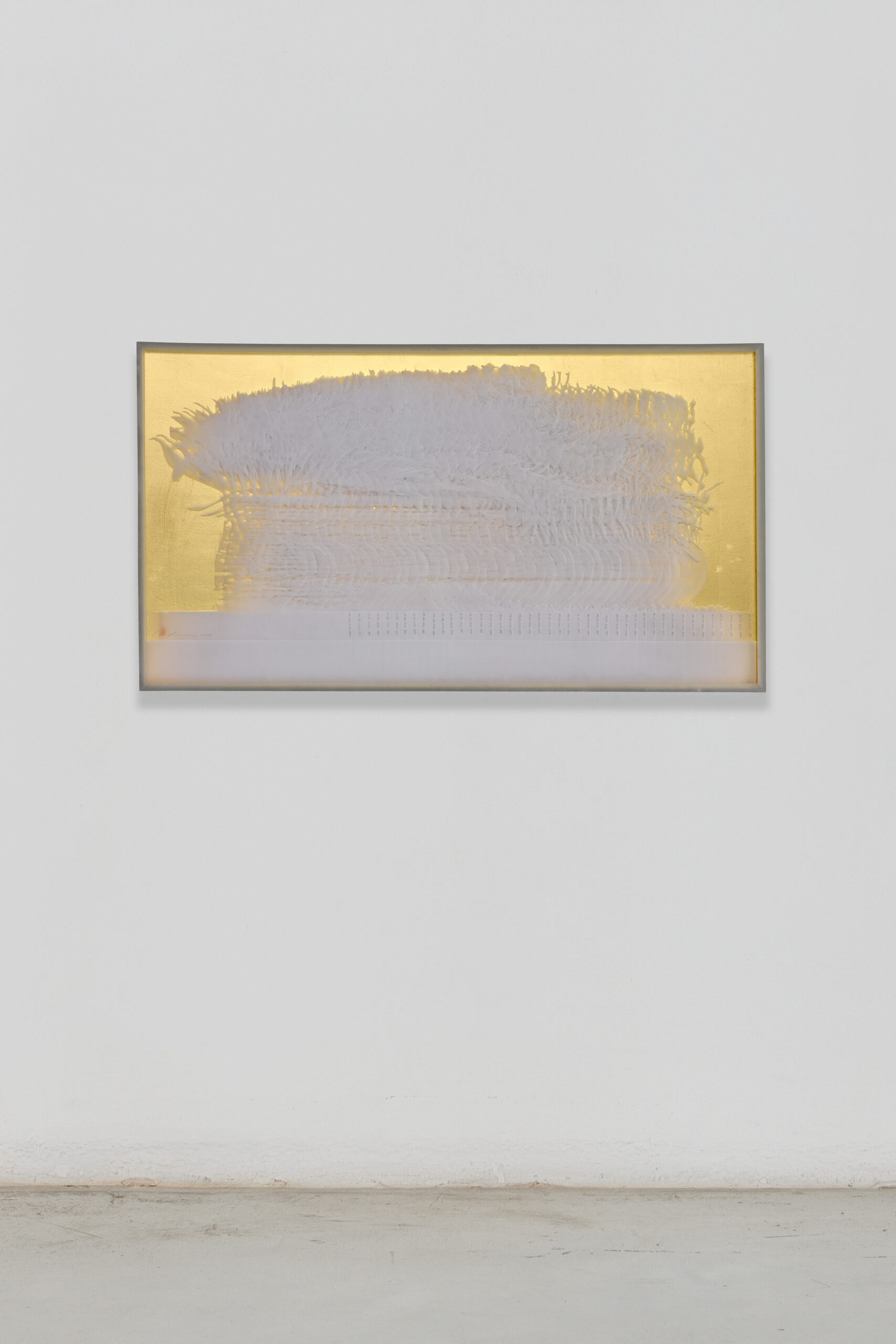
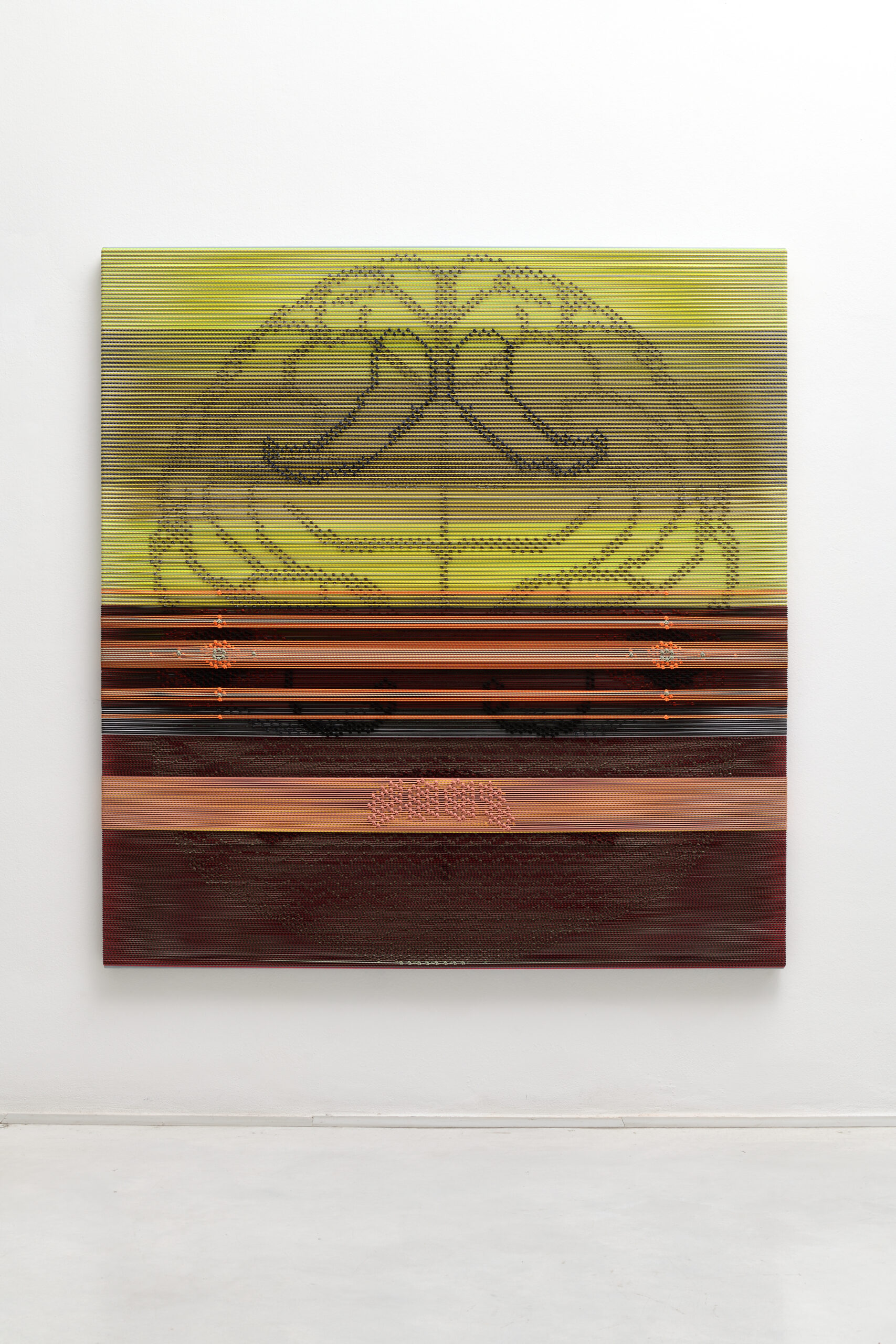
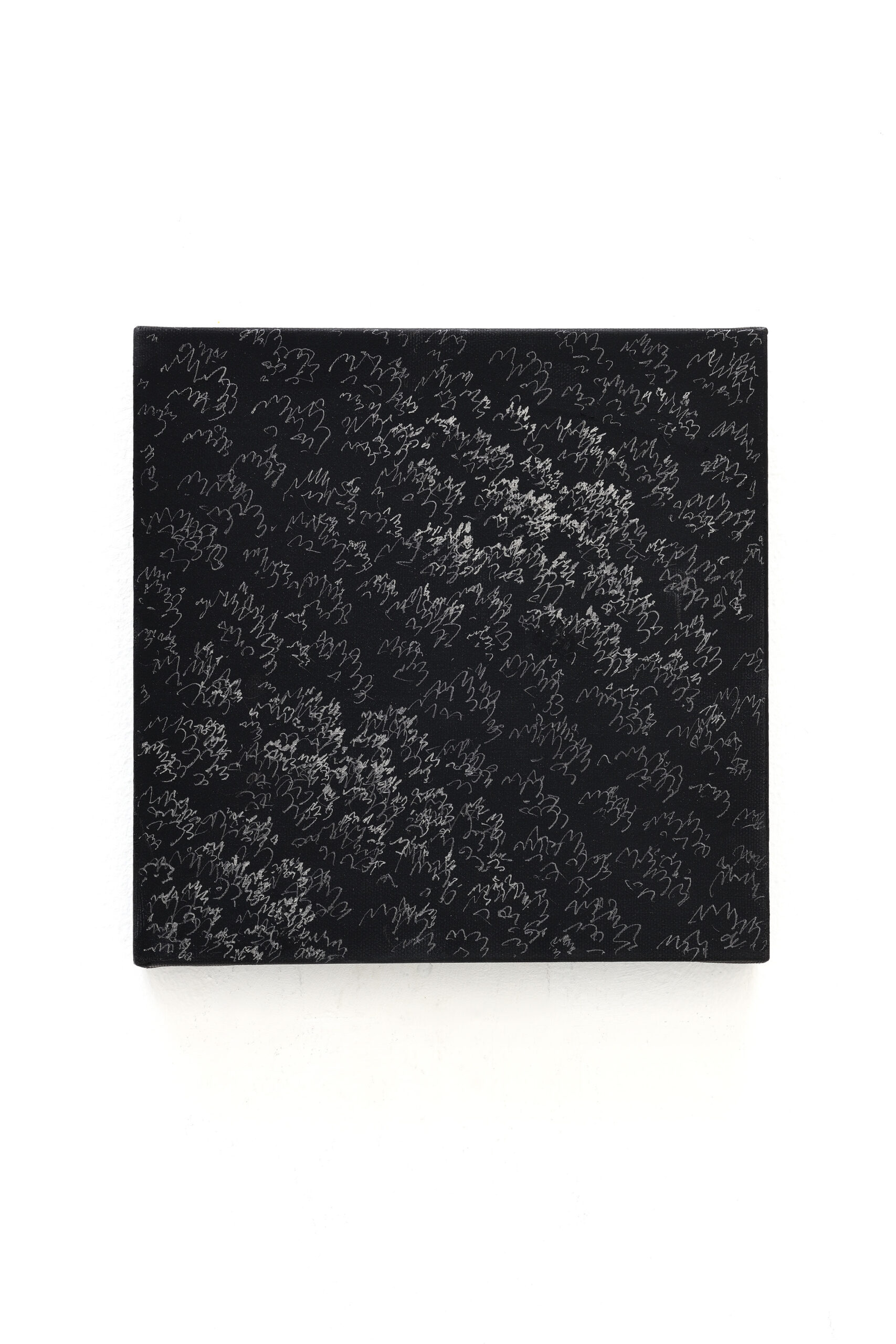
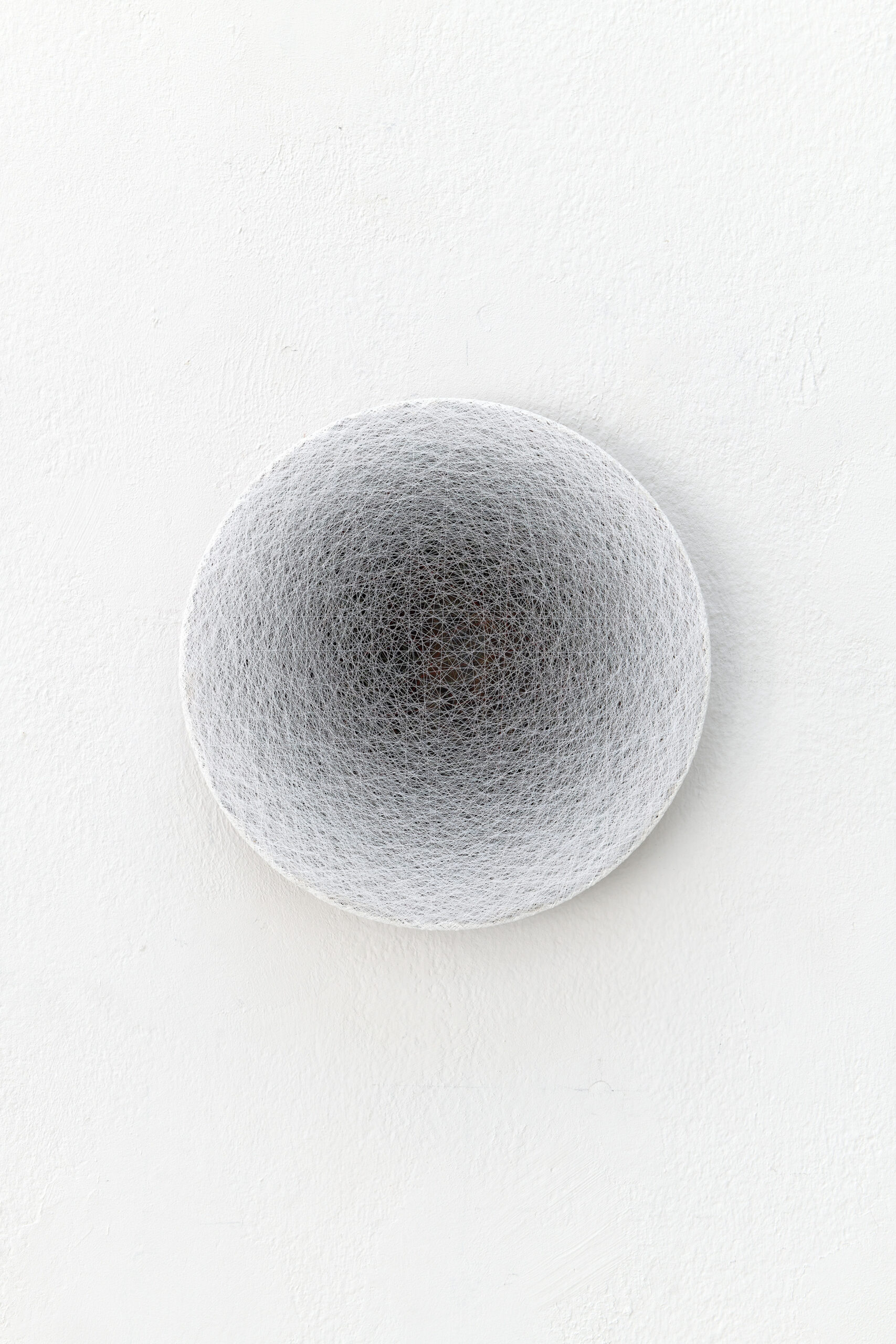
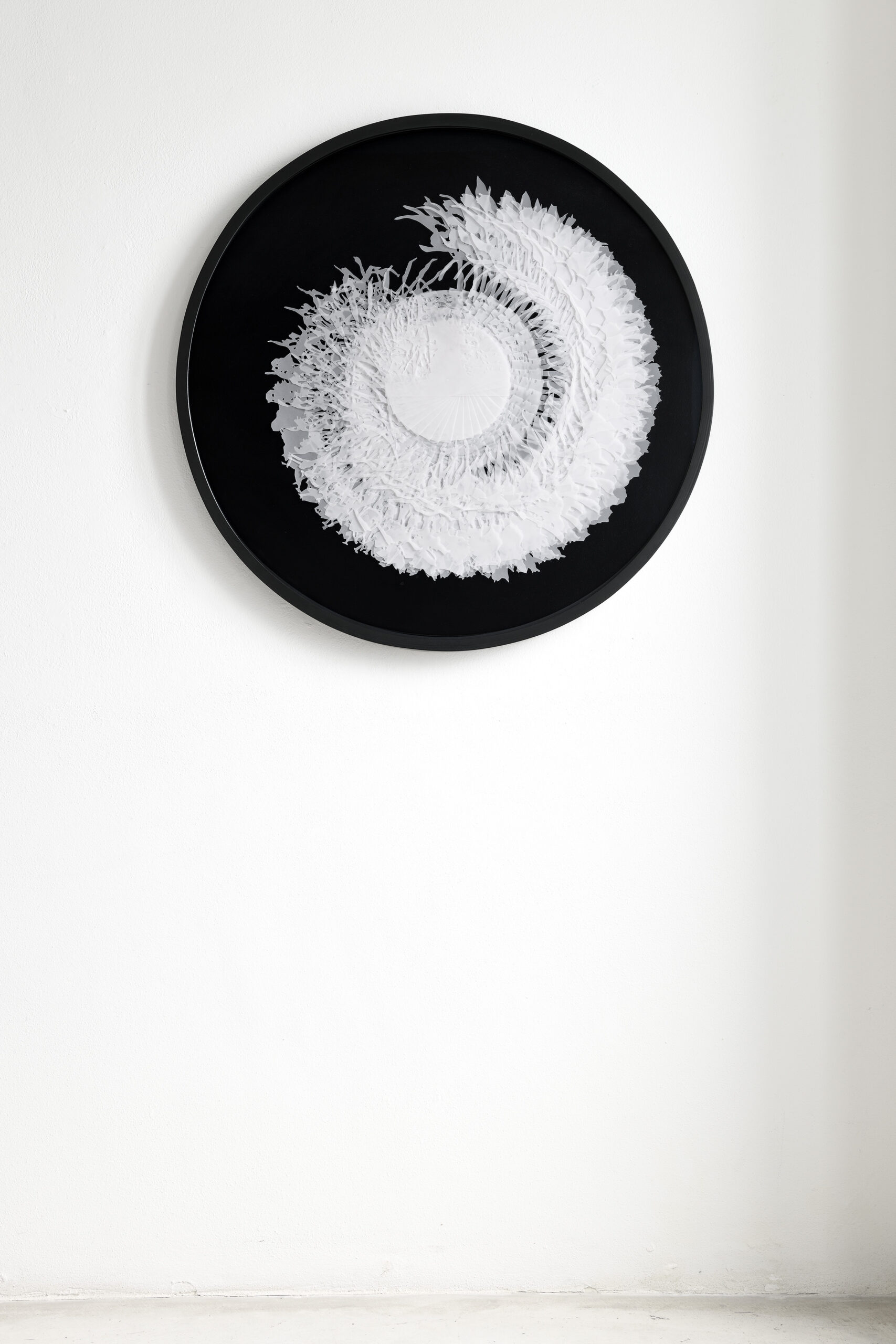
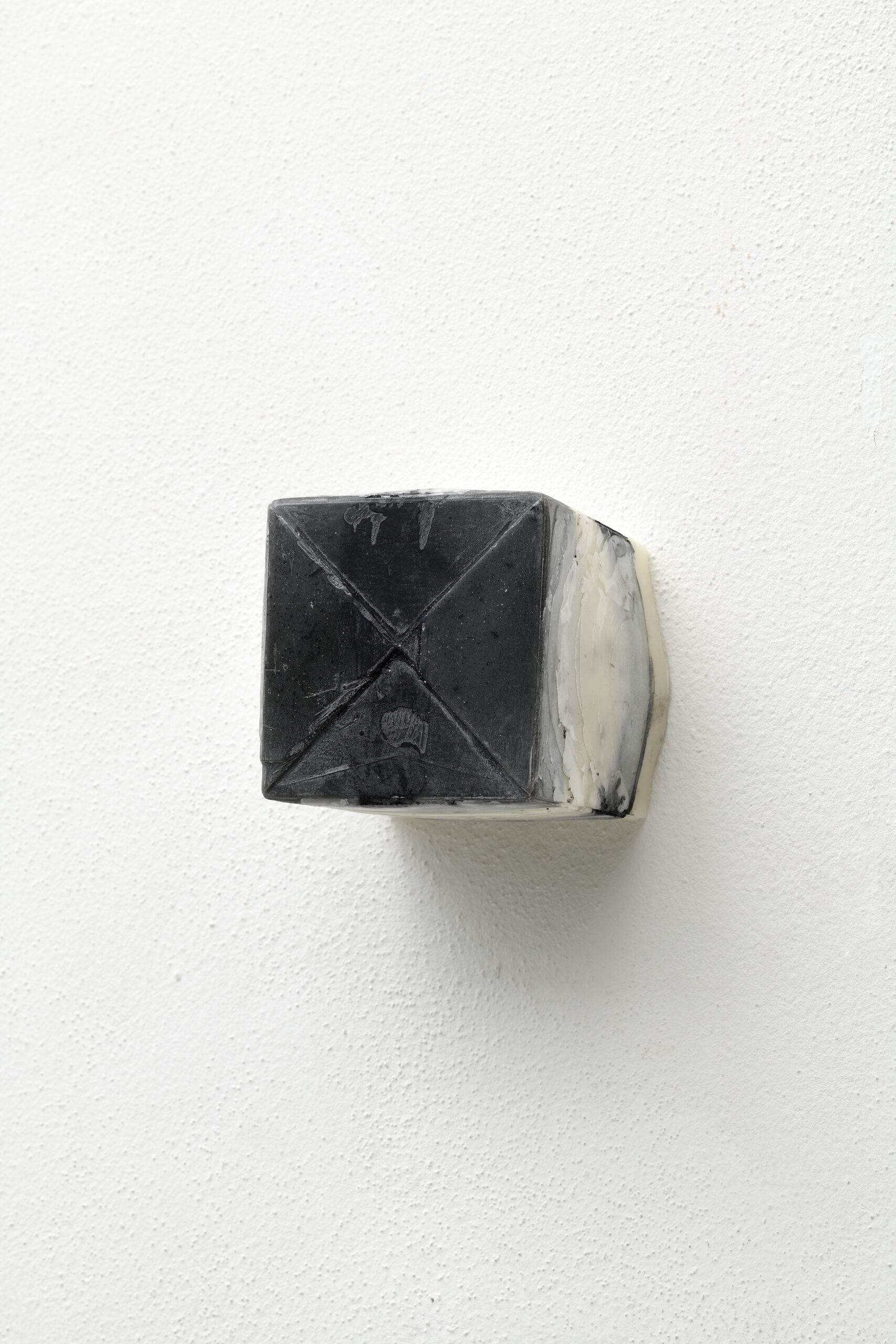
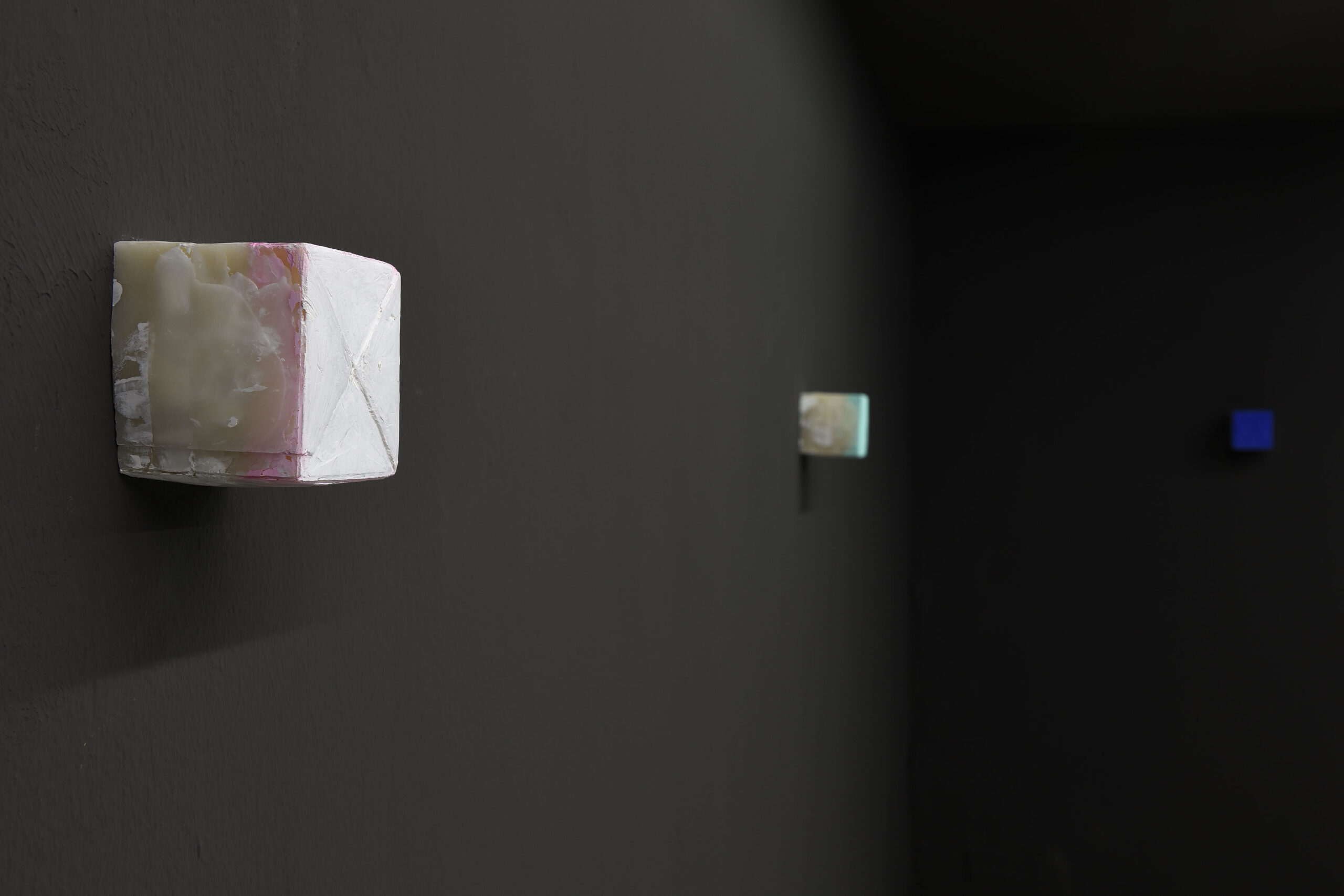
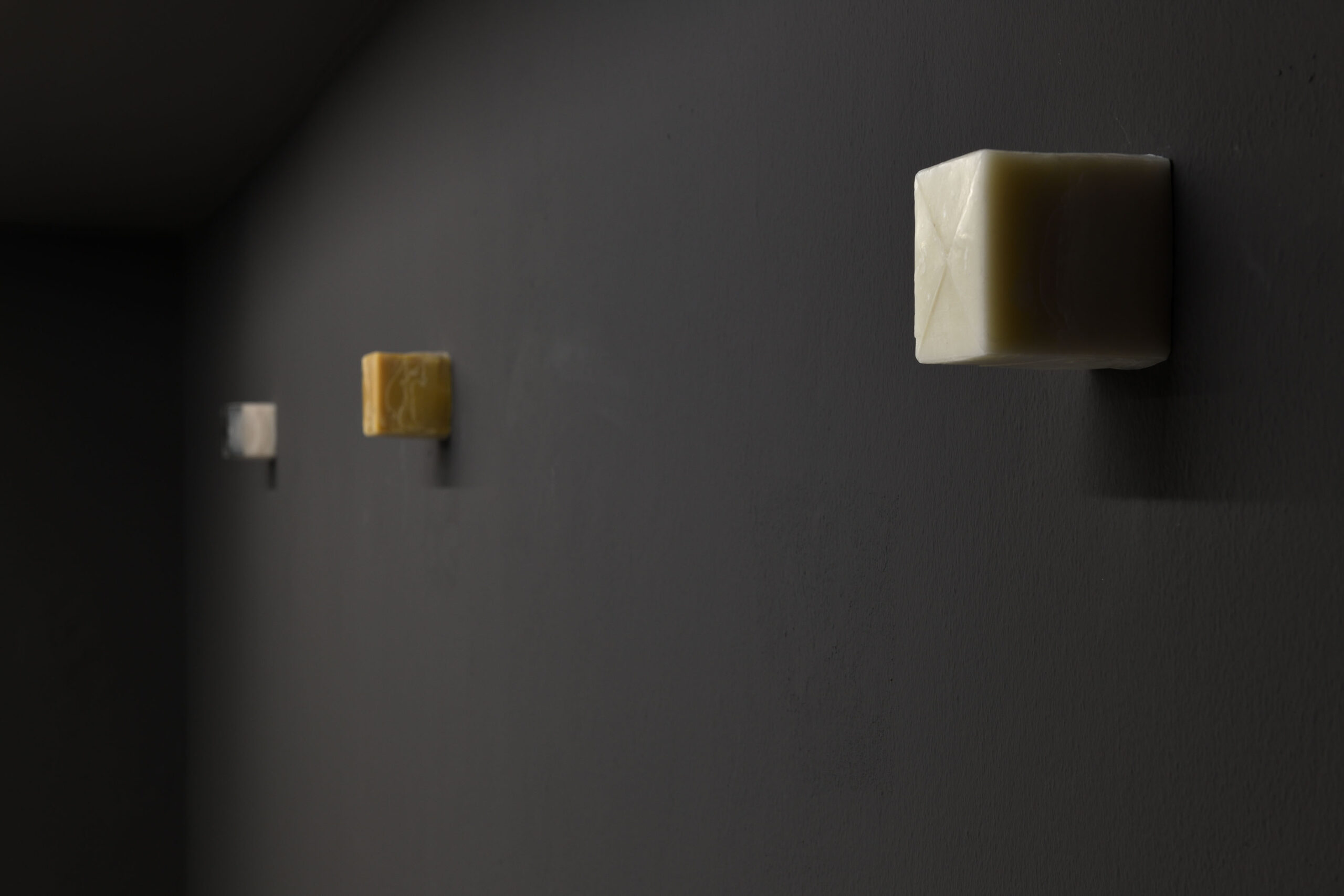
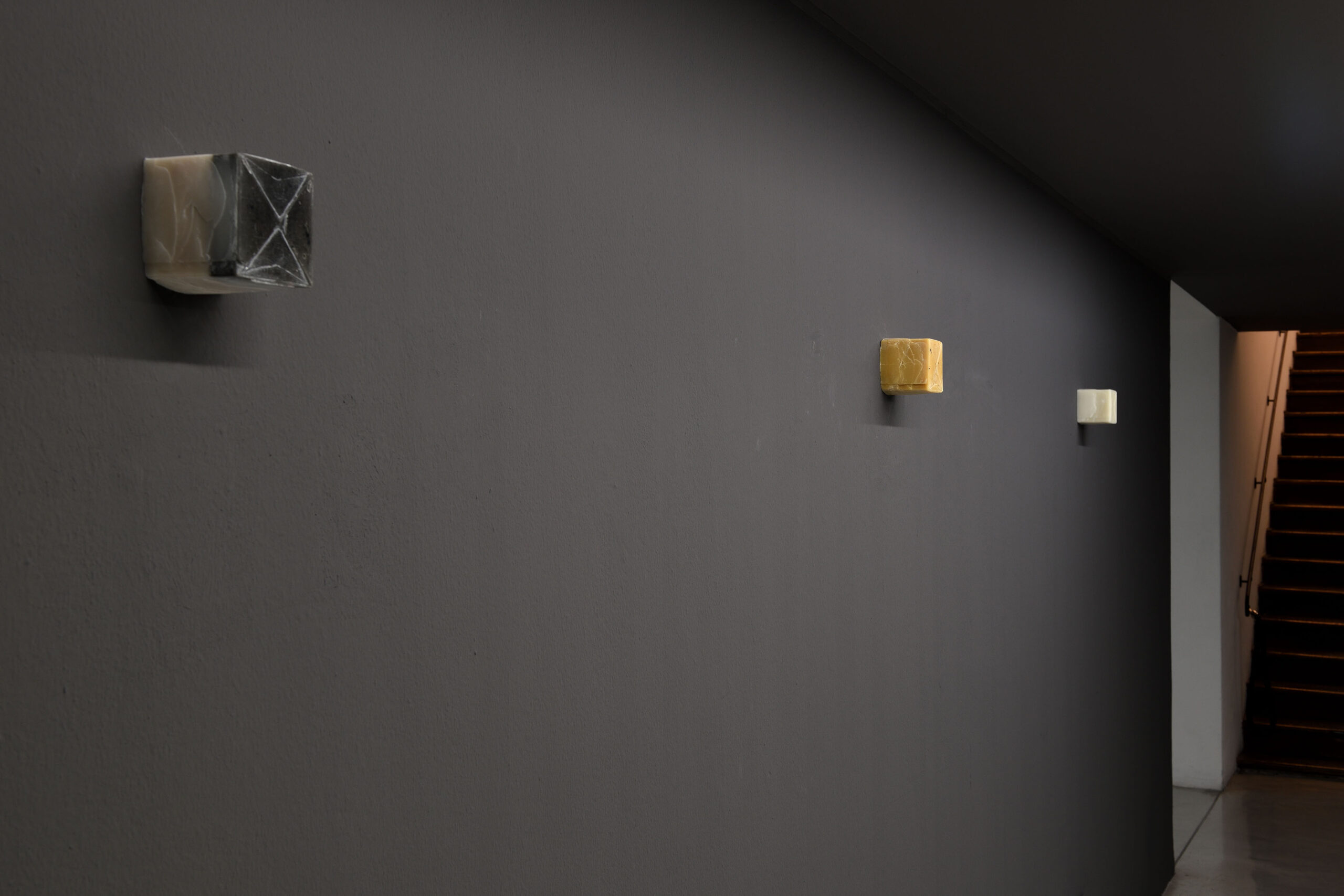
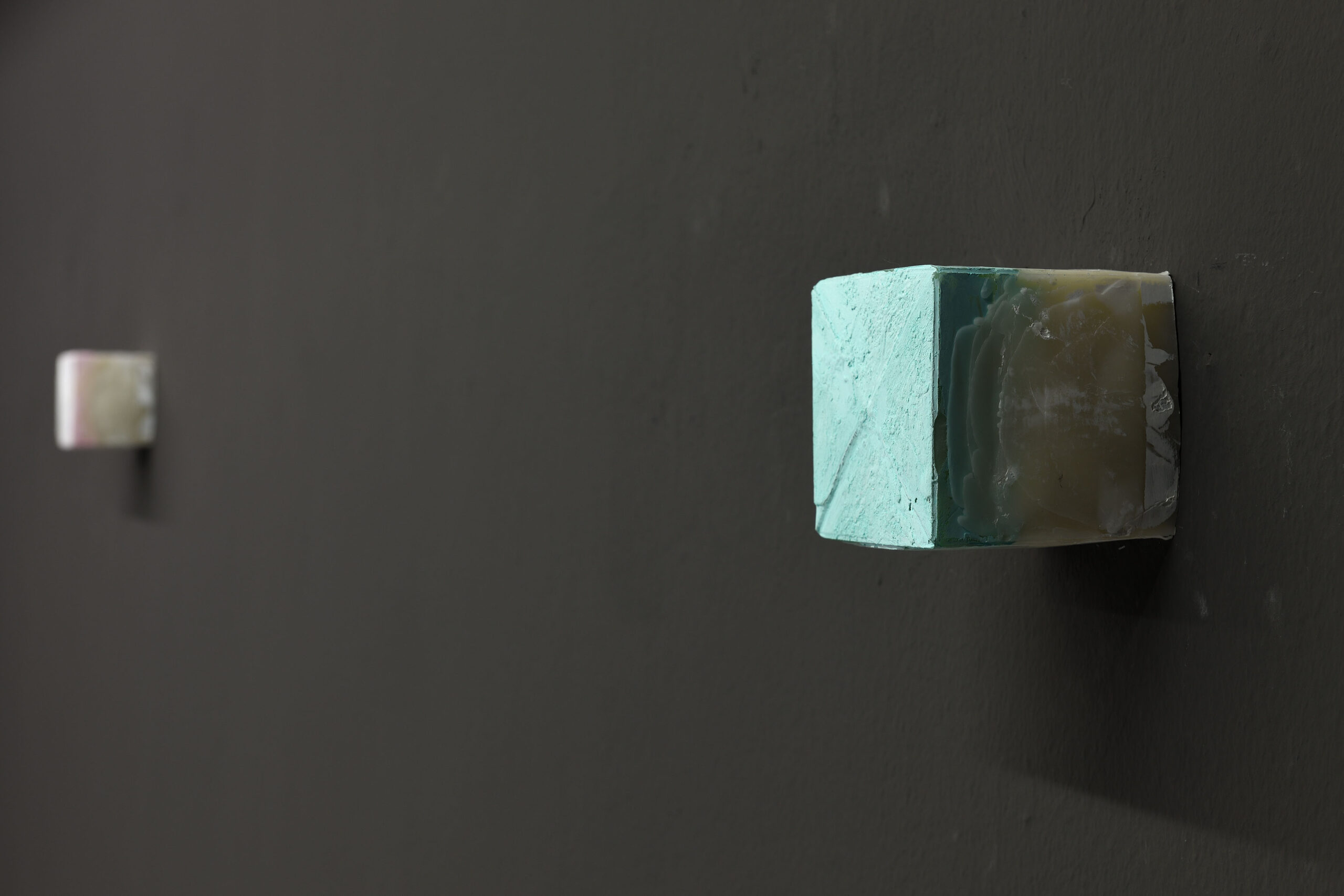
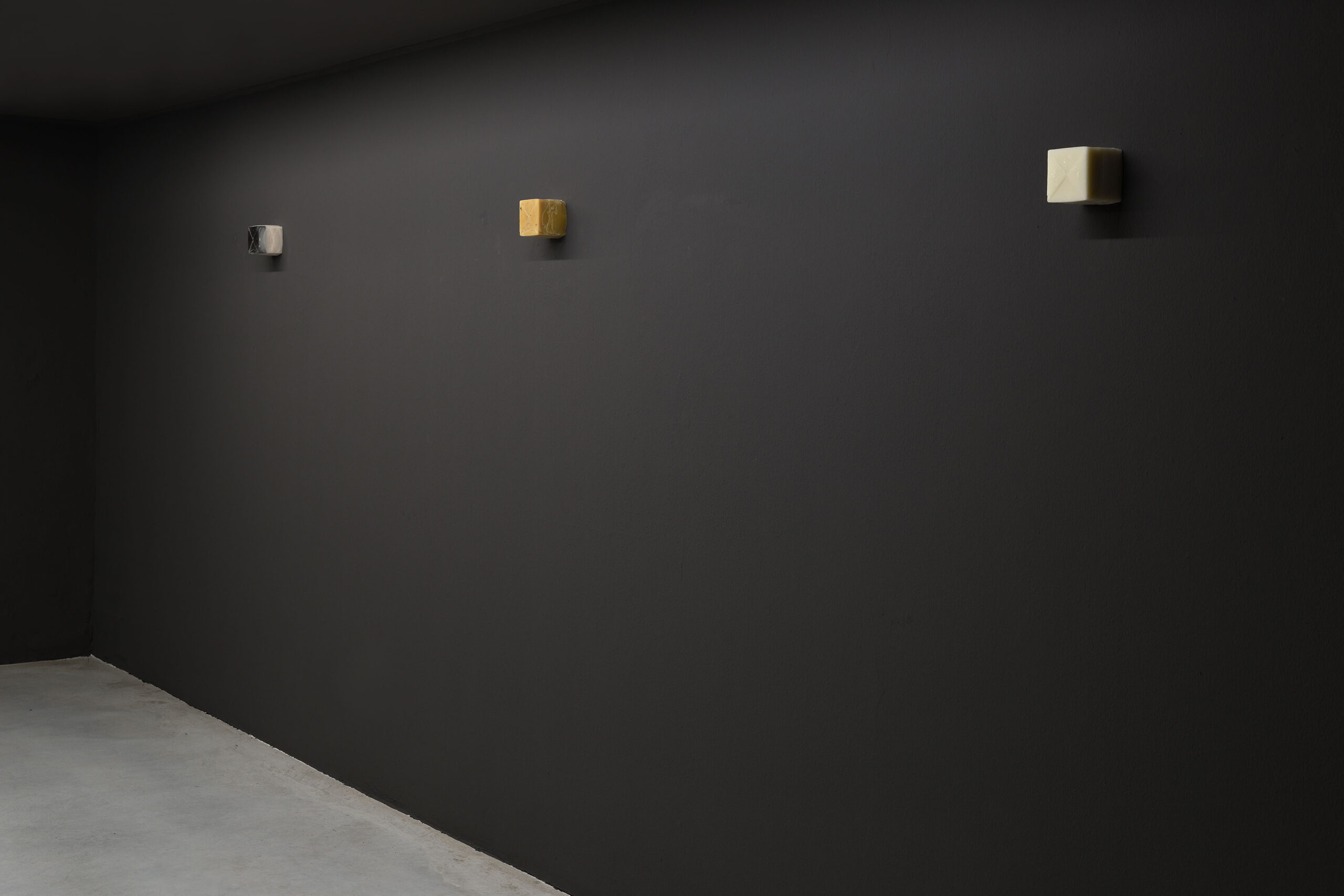
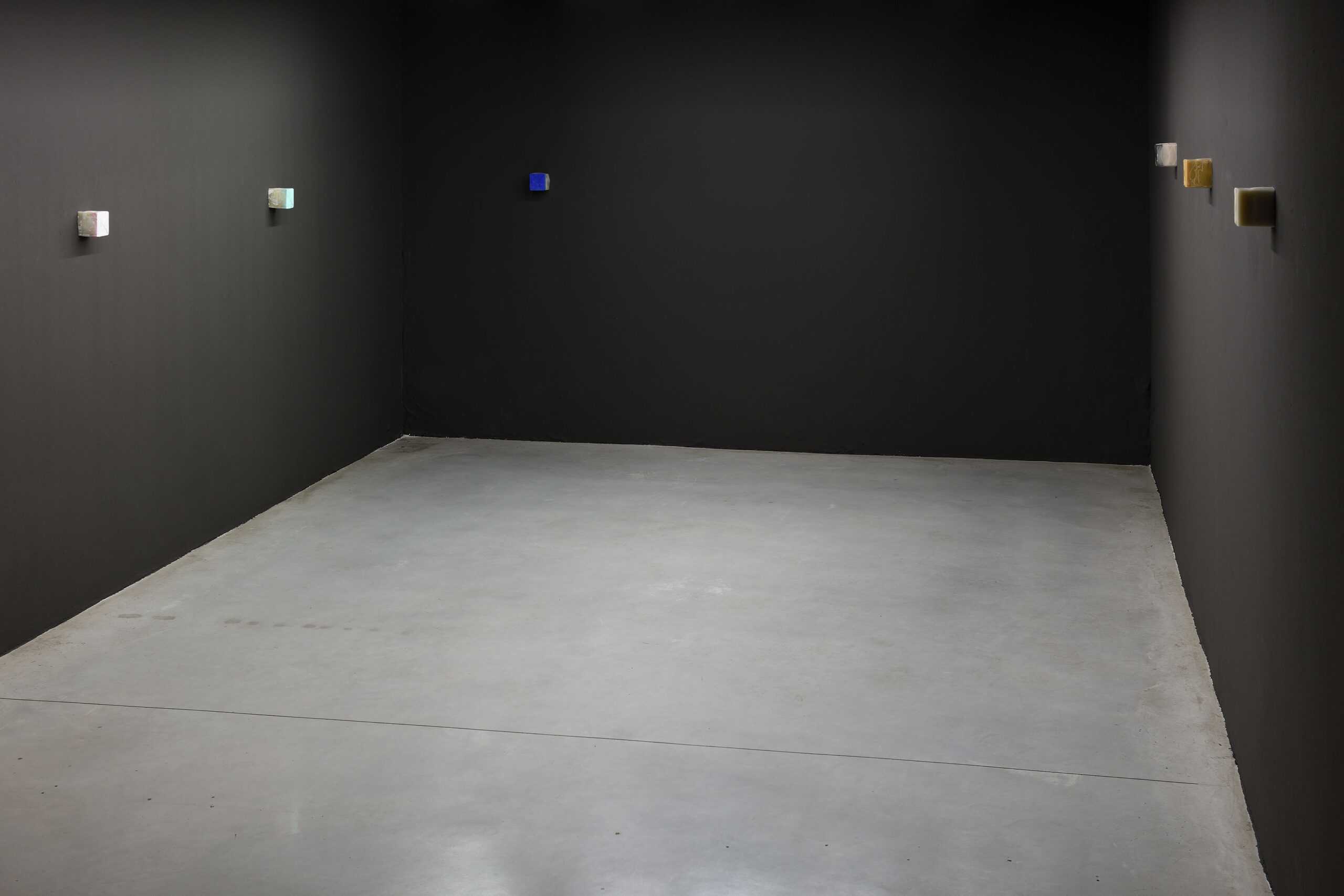
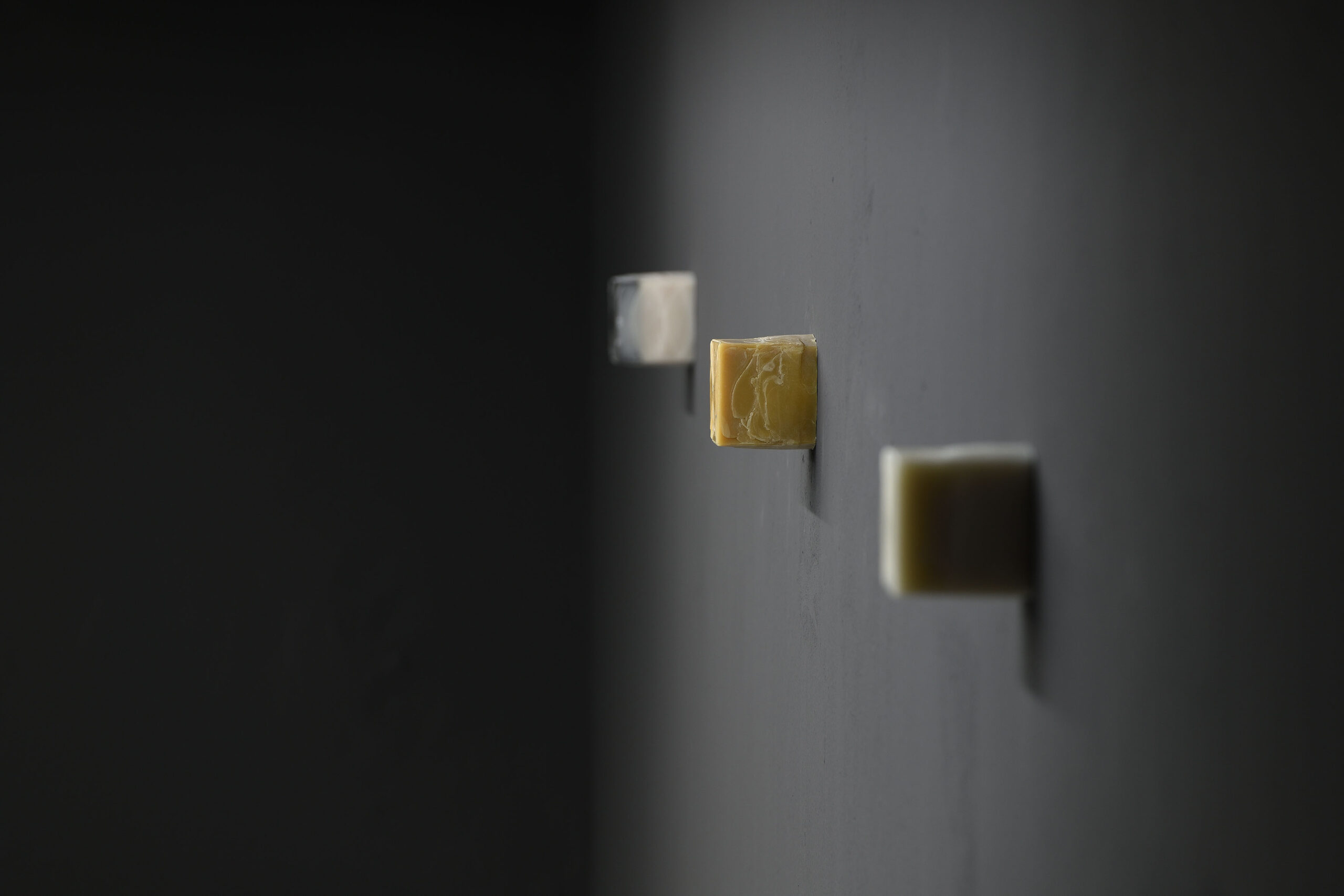
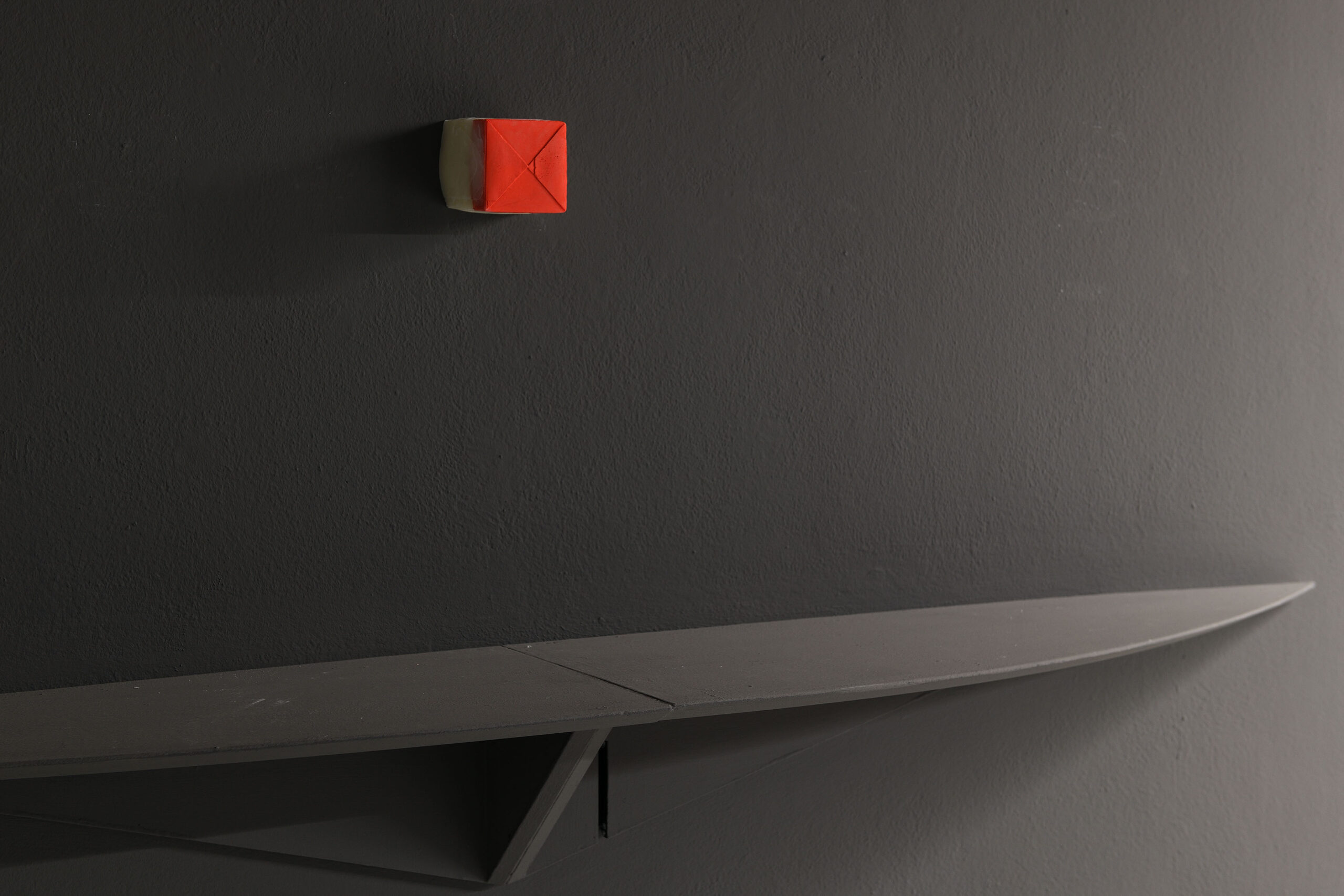
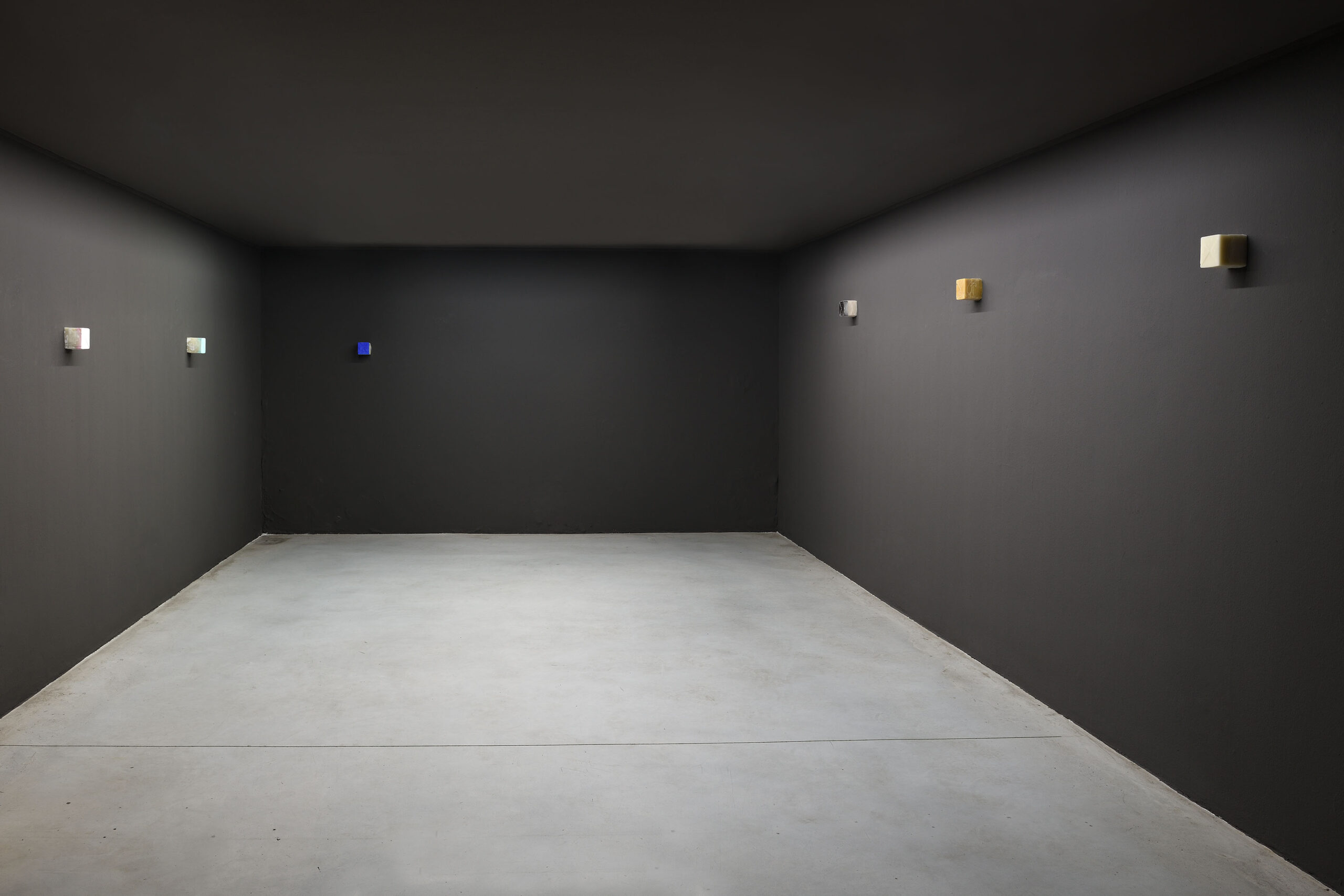
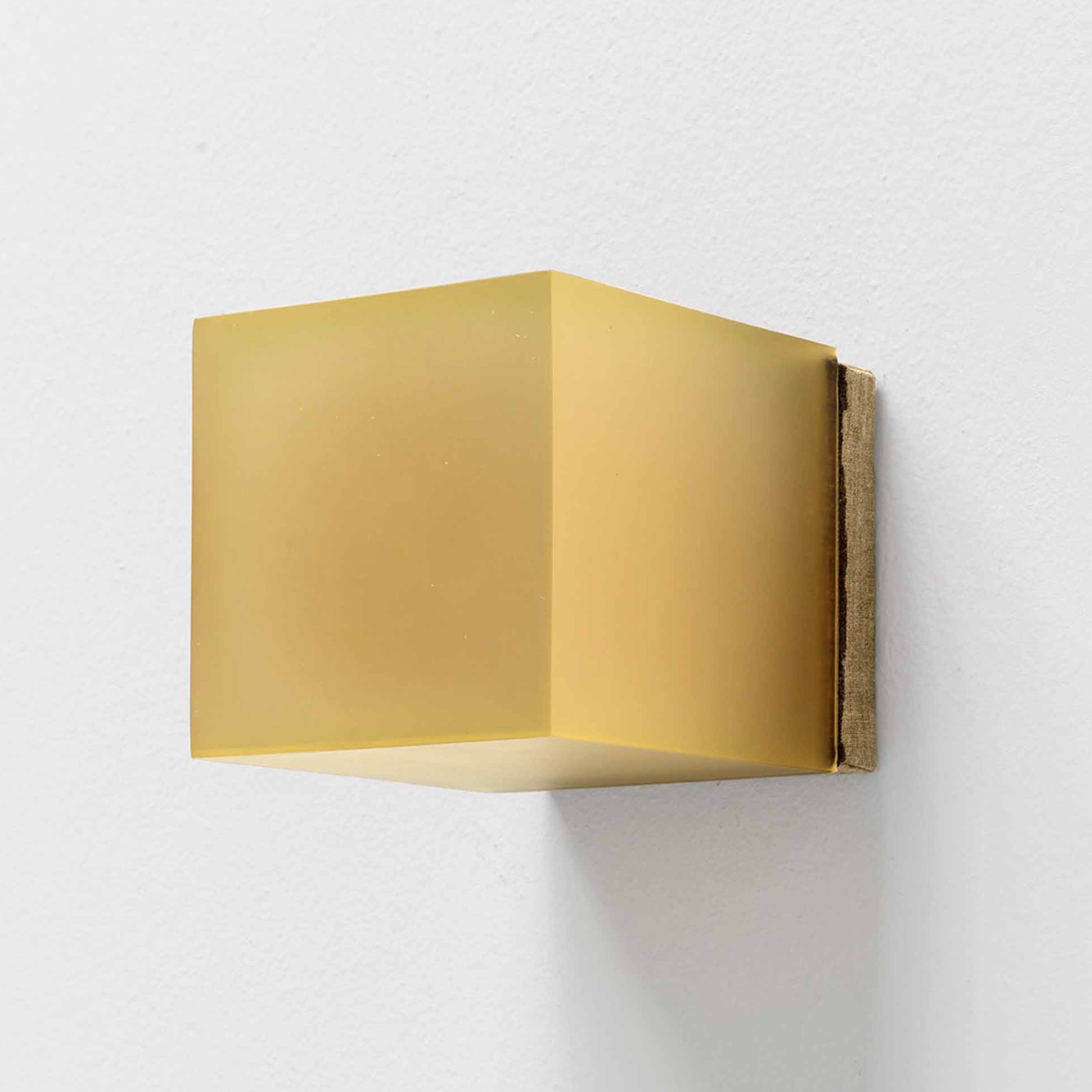
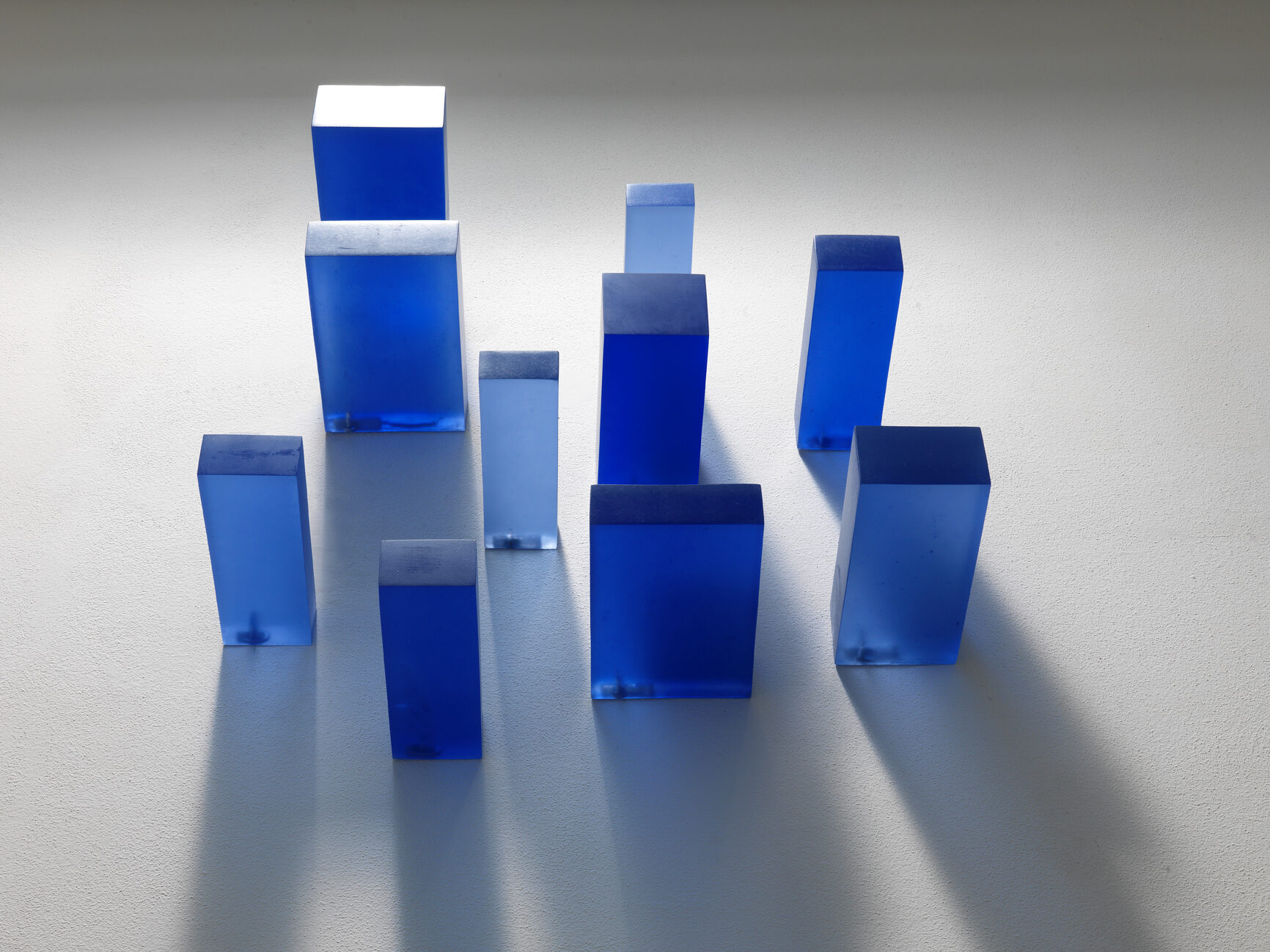
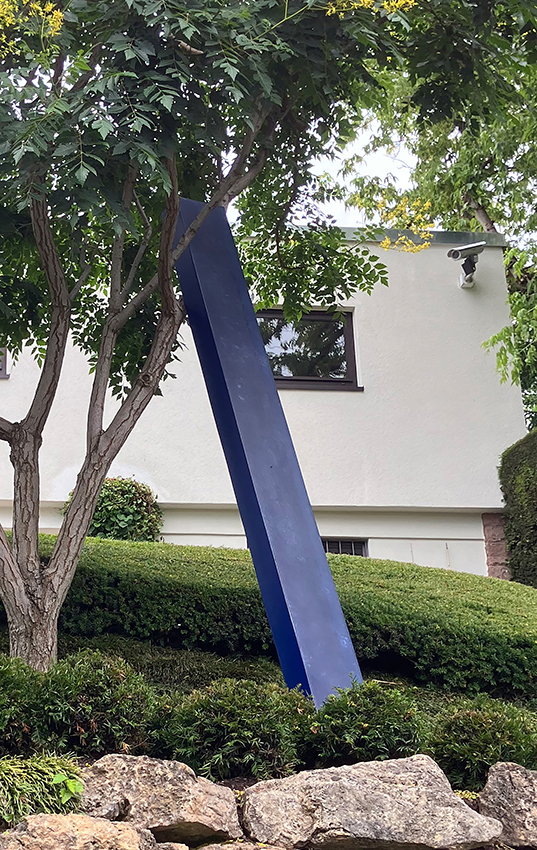
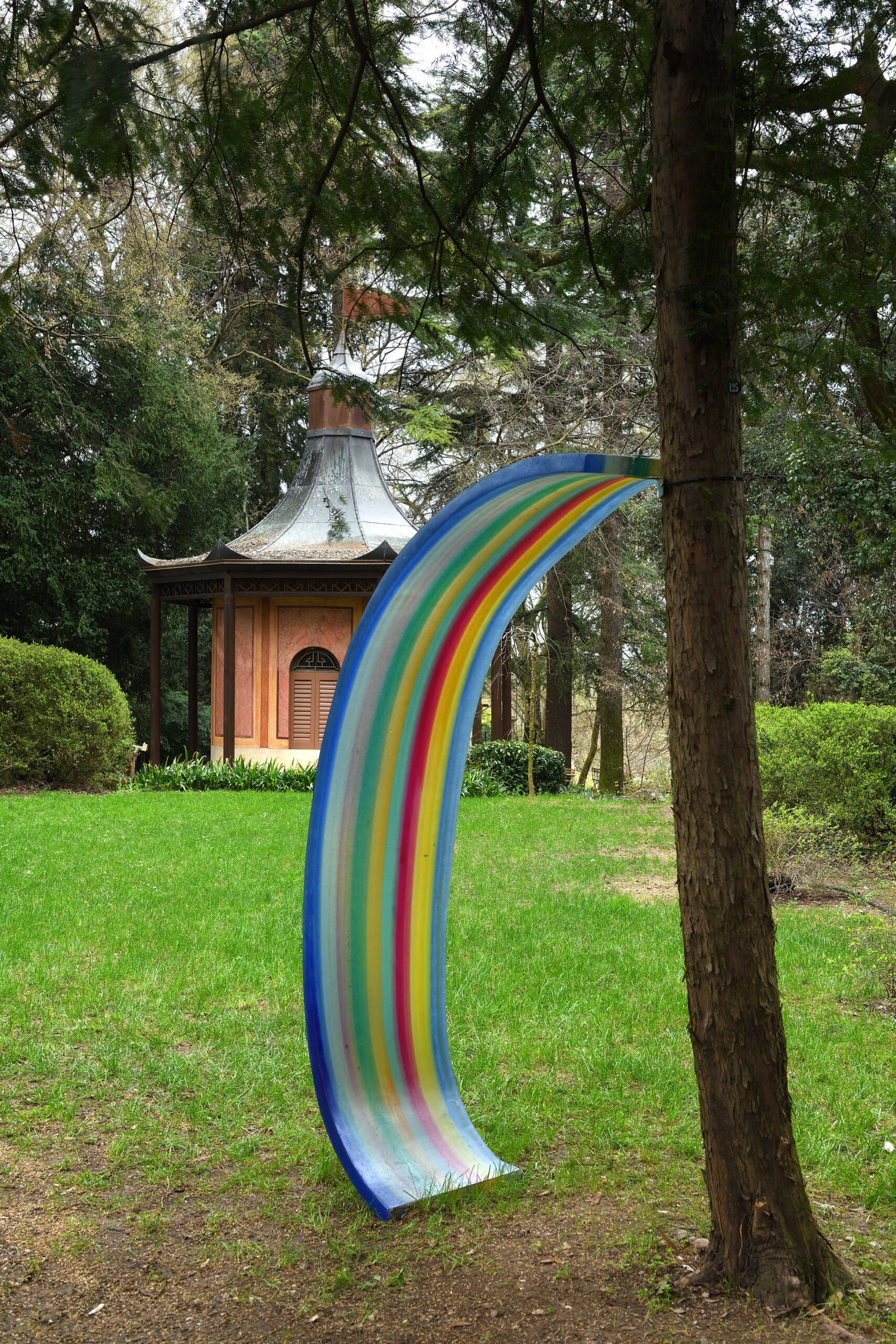
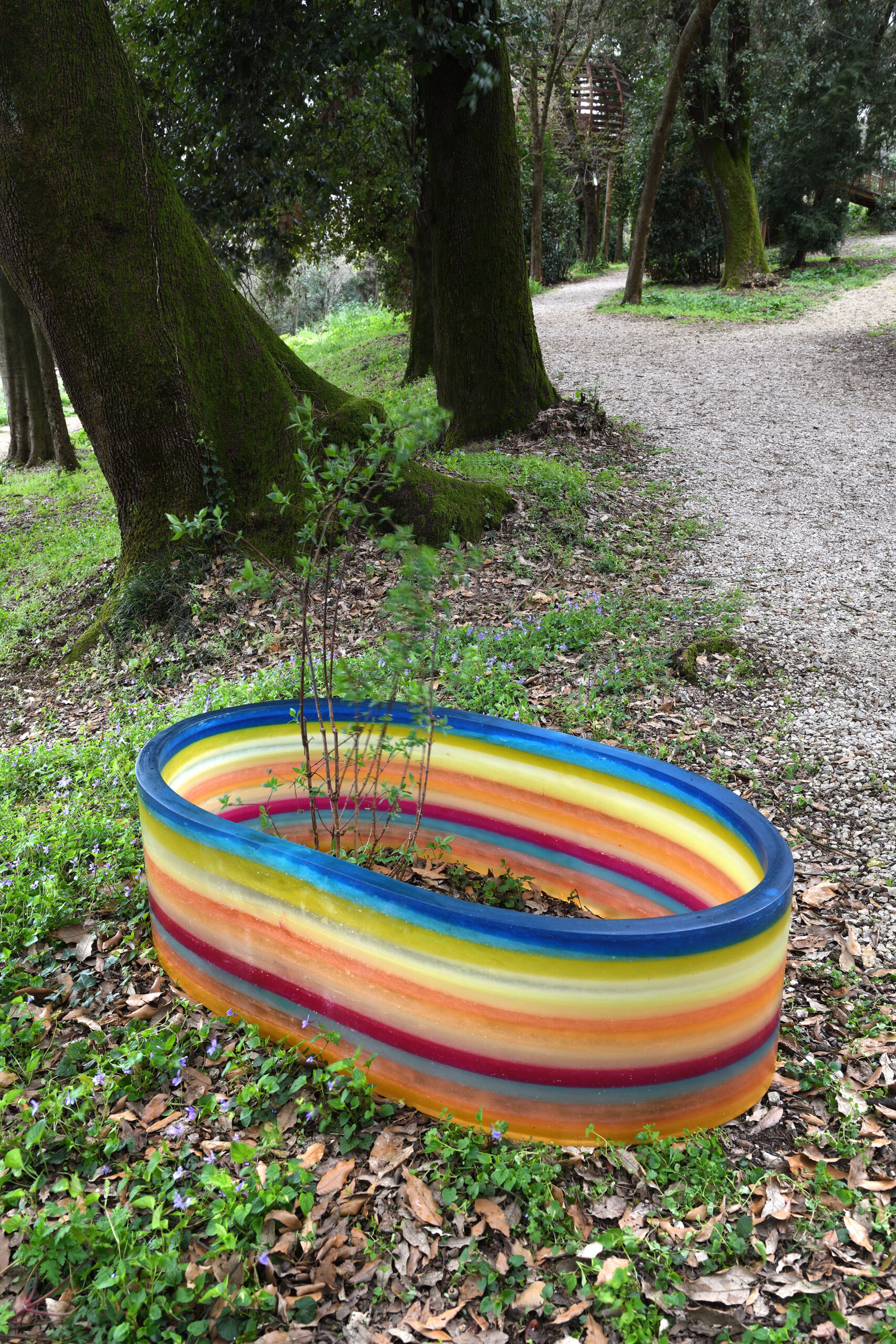
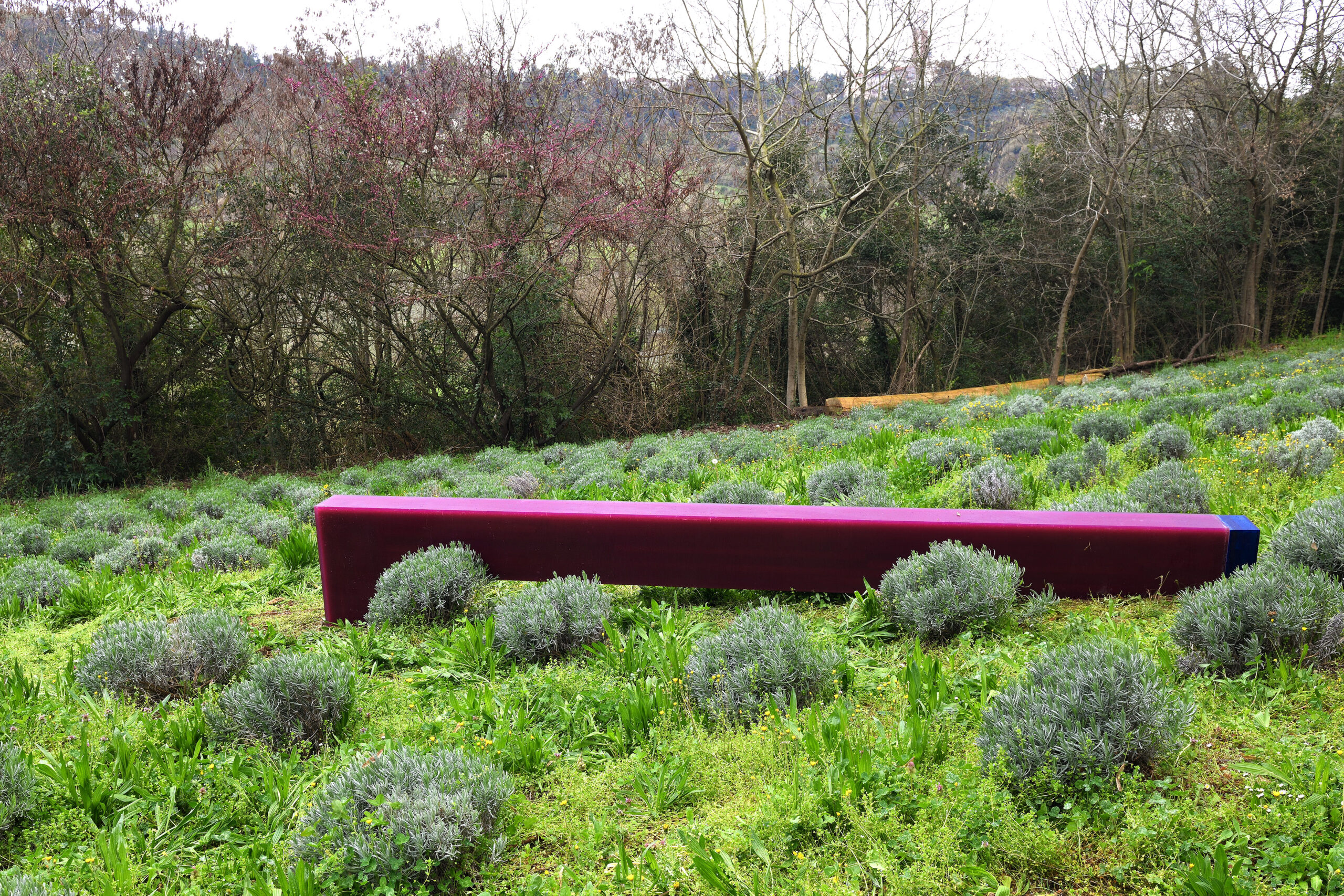
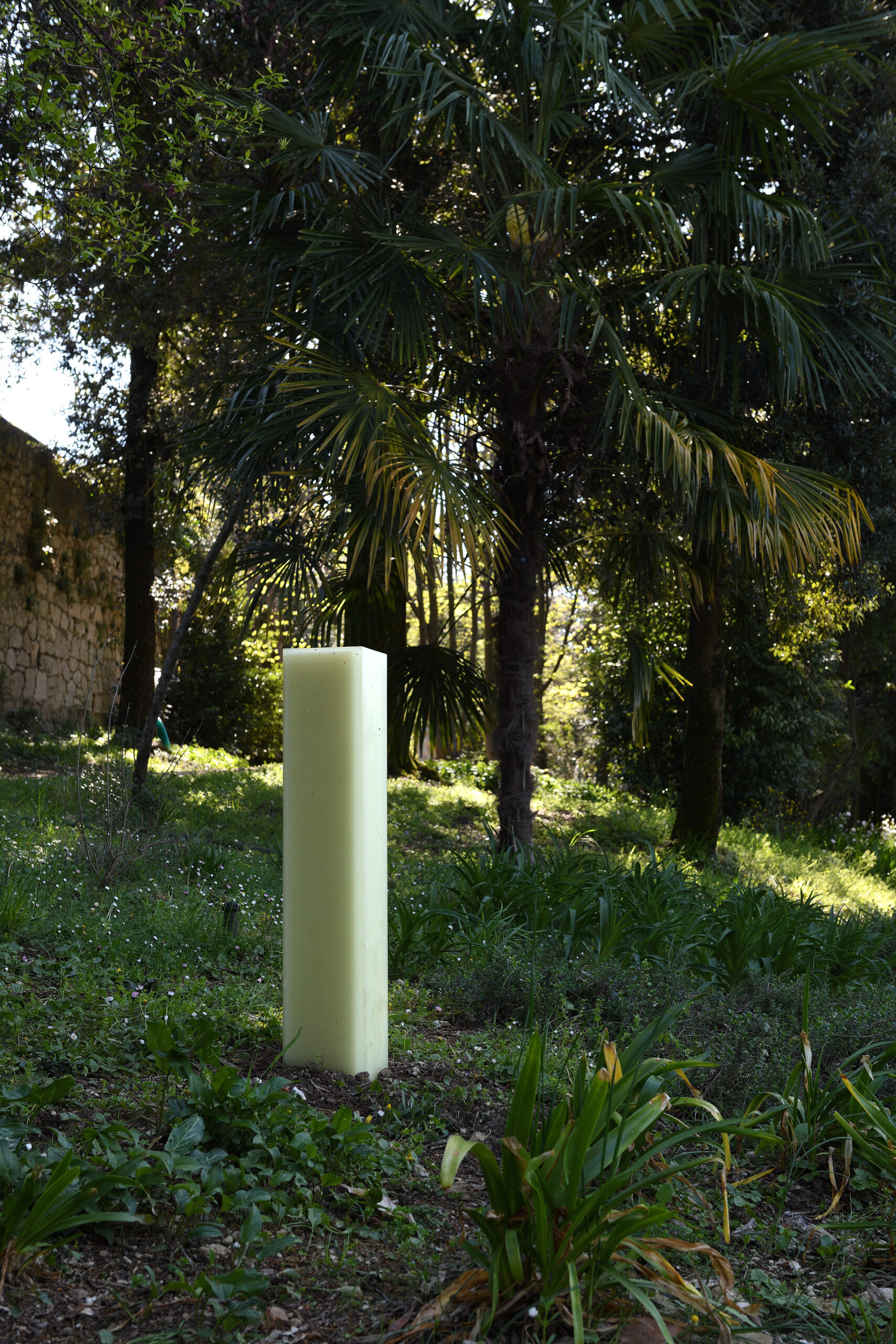
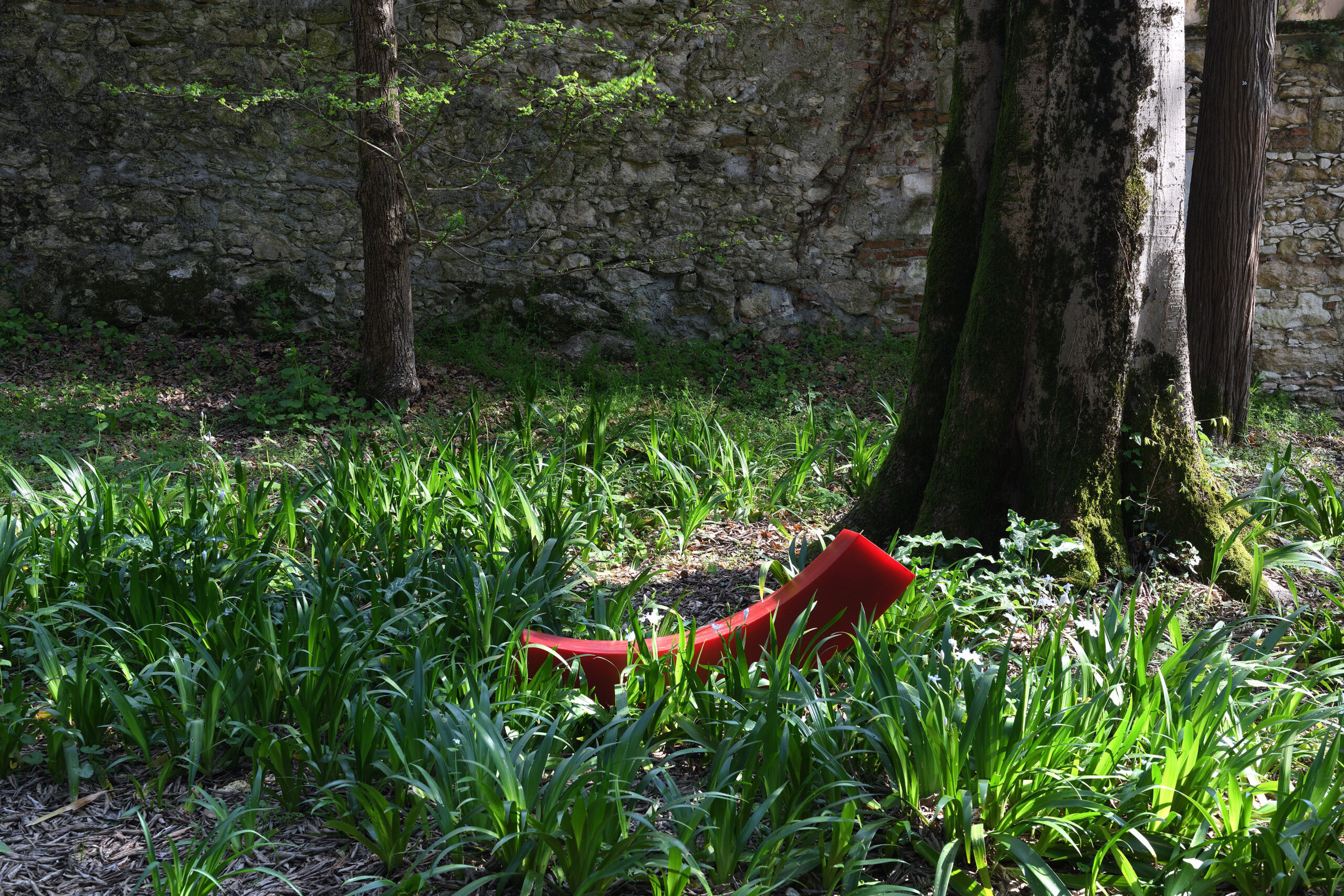
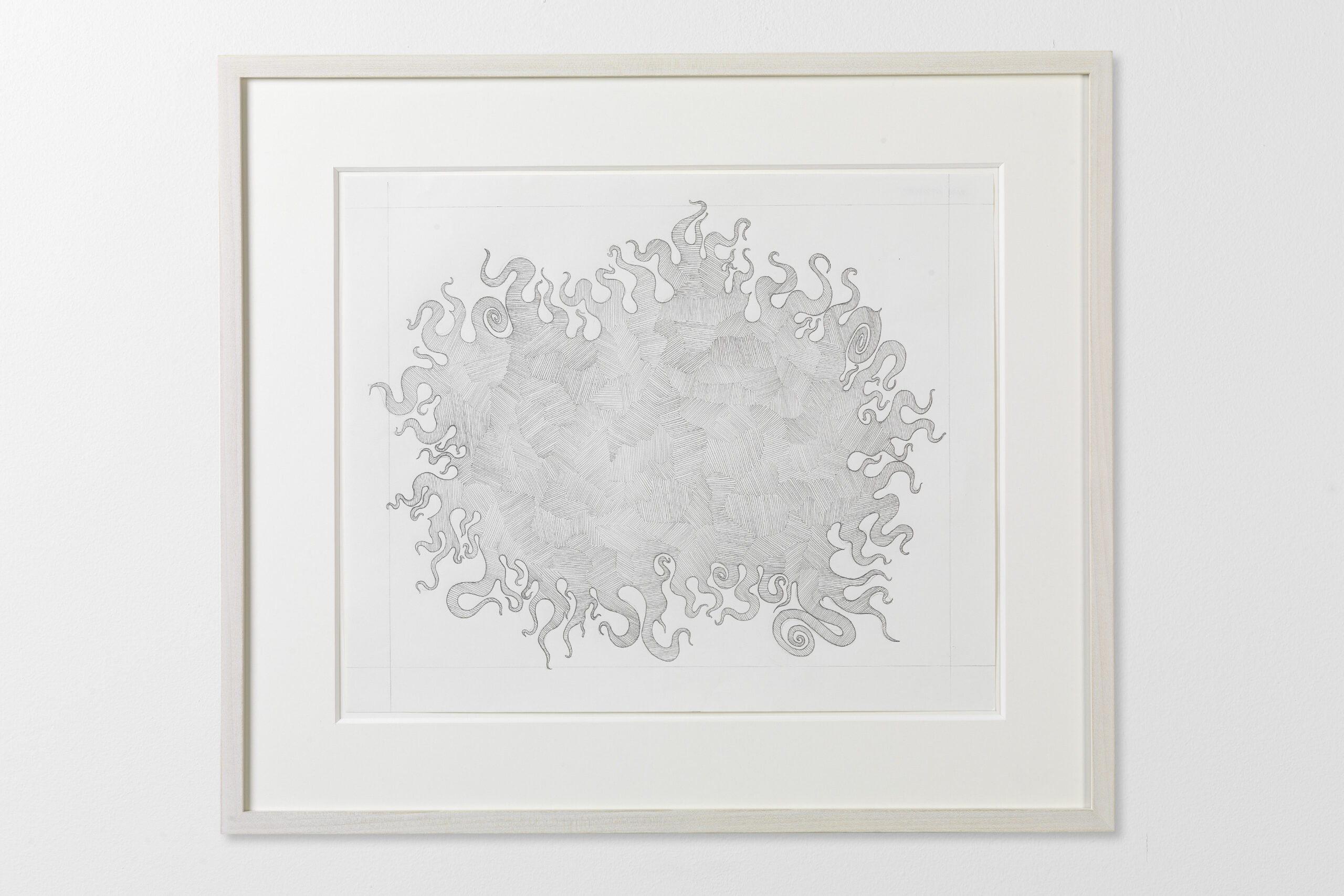
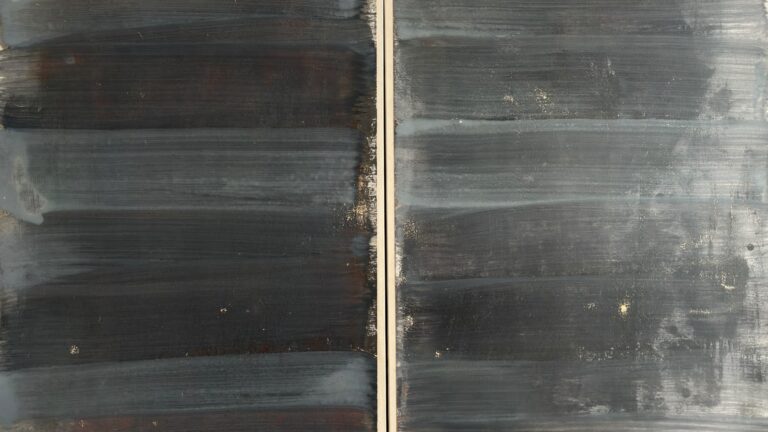
An evolution of the “P.D.F.” series, the “SERIE X” was initially inspired by the sculptures of Medardo Rosso and marks my return to wax.
Starting with geometric, monochrome blocks, I then incorporated colour both in the casting and on the surface, indulging my nature as a painter.
The ultimate aim of these works is to offer a space of suspension and respite, activating an energetic exchange that conveys calm, regeneration and wholeness.
Stuart Arends, 2026
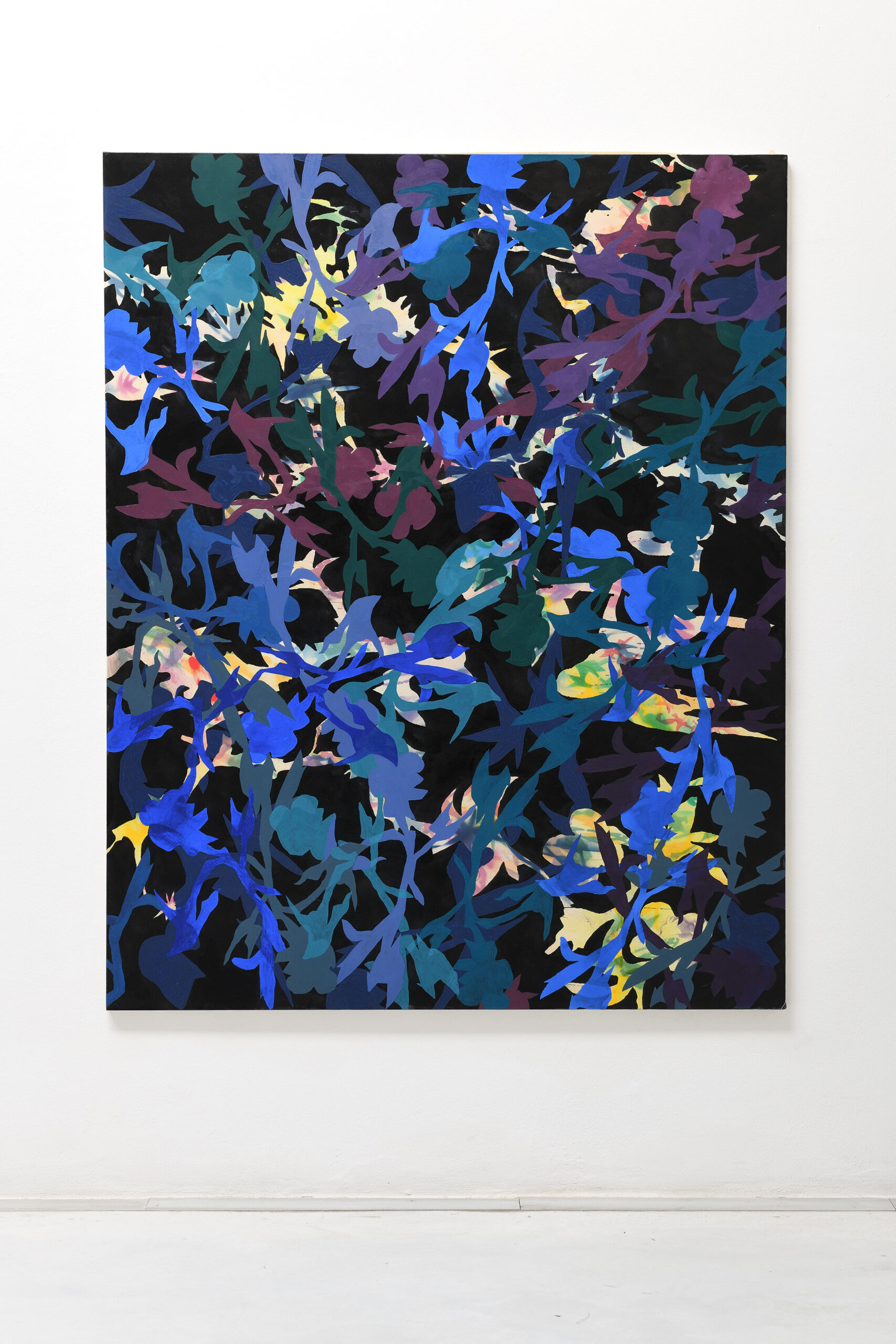
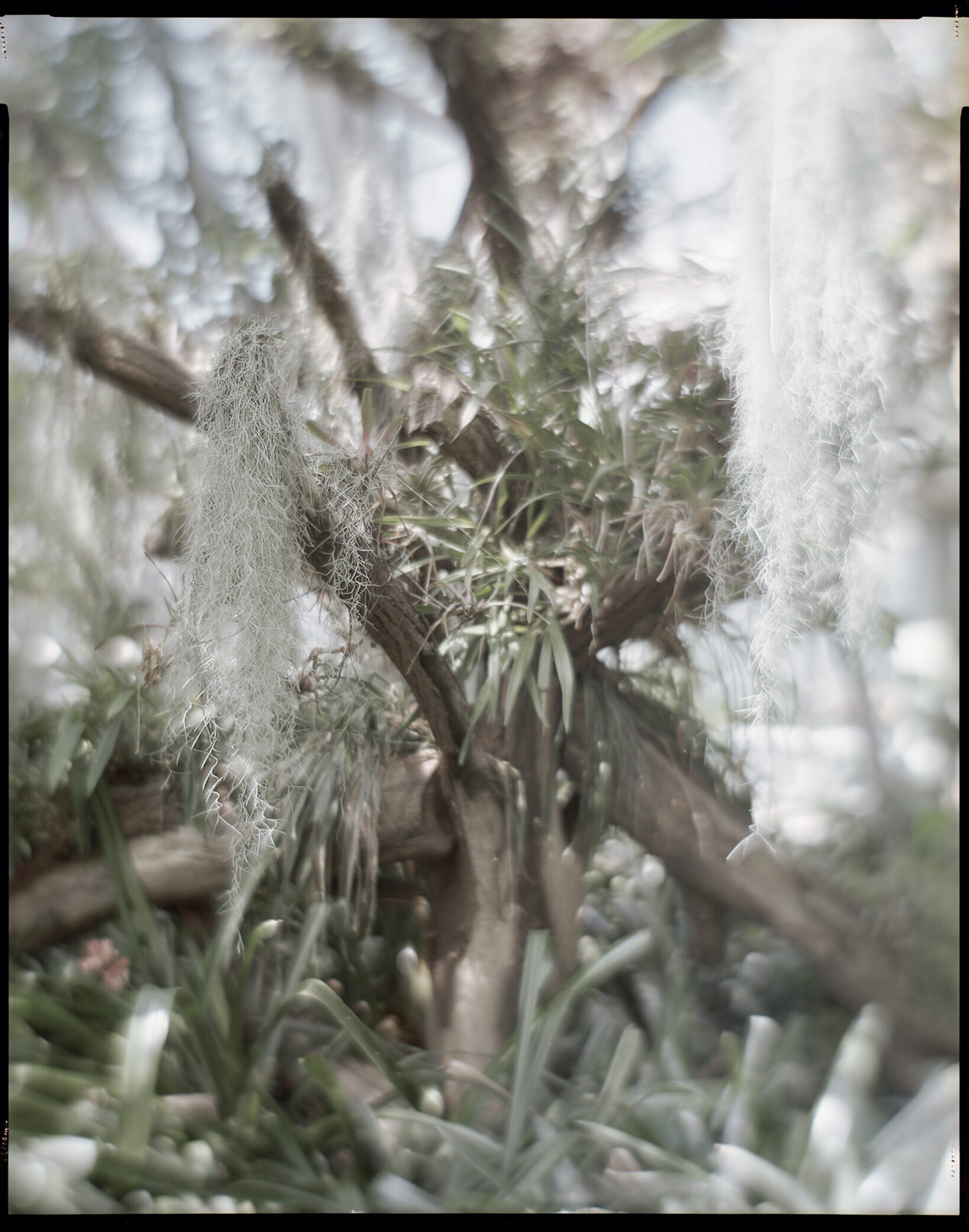
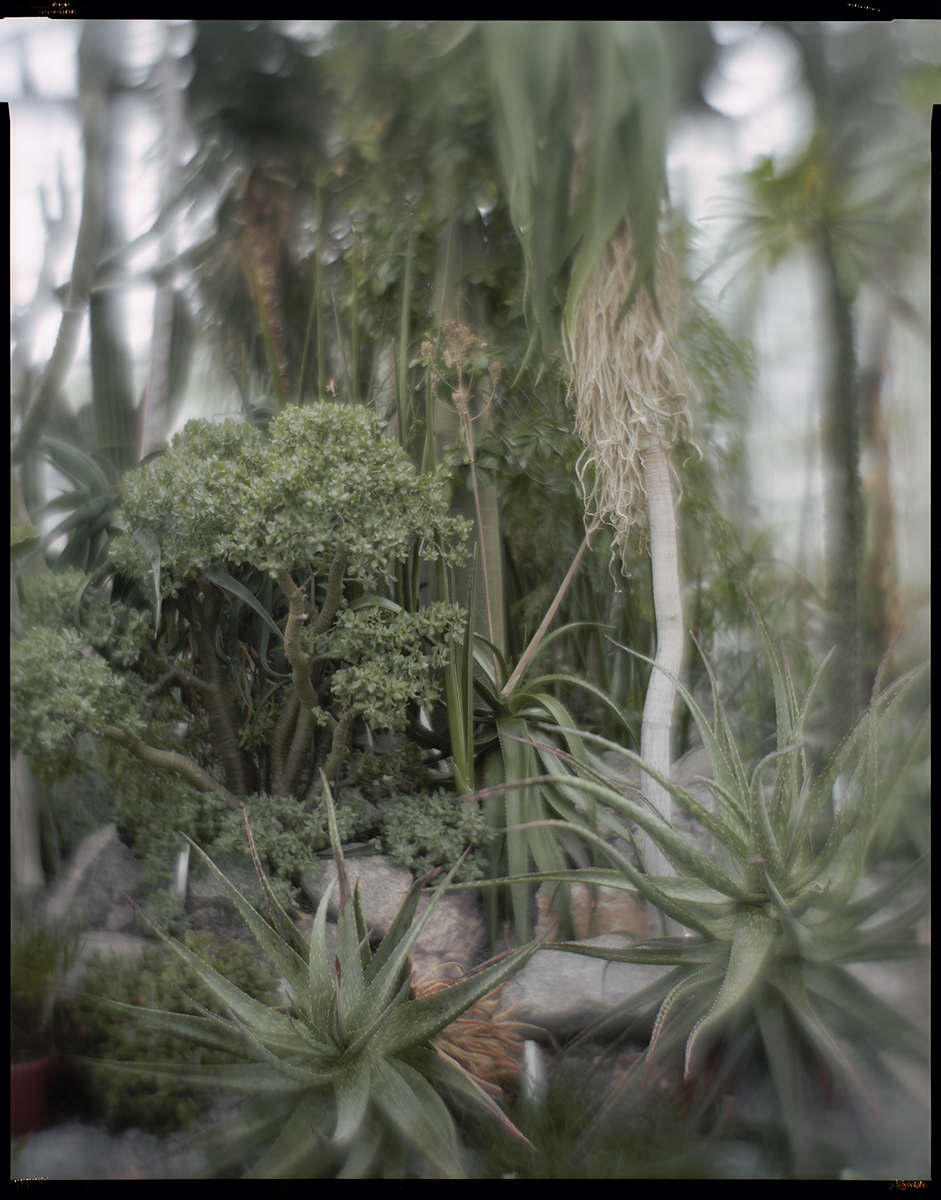
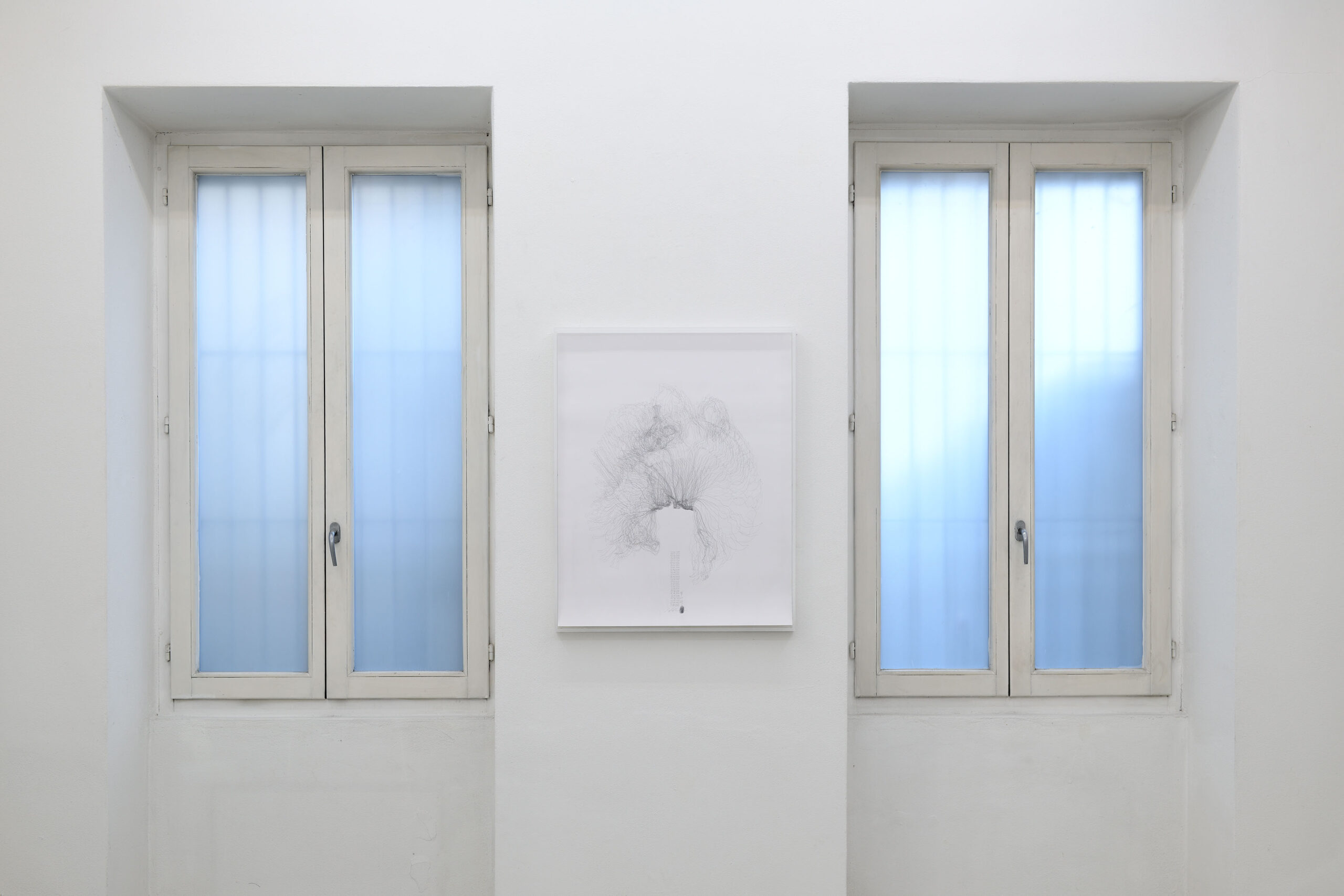
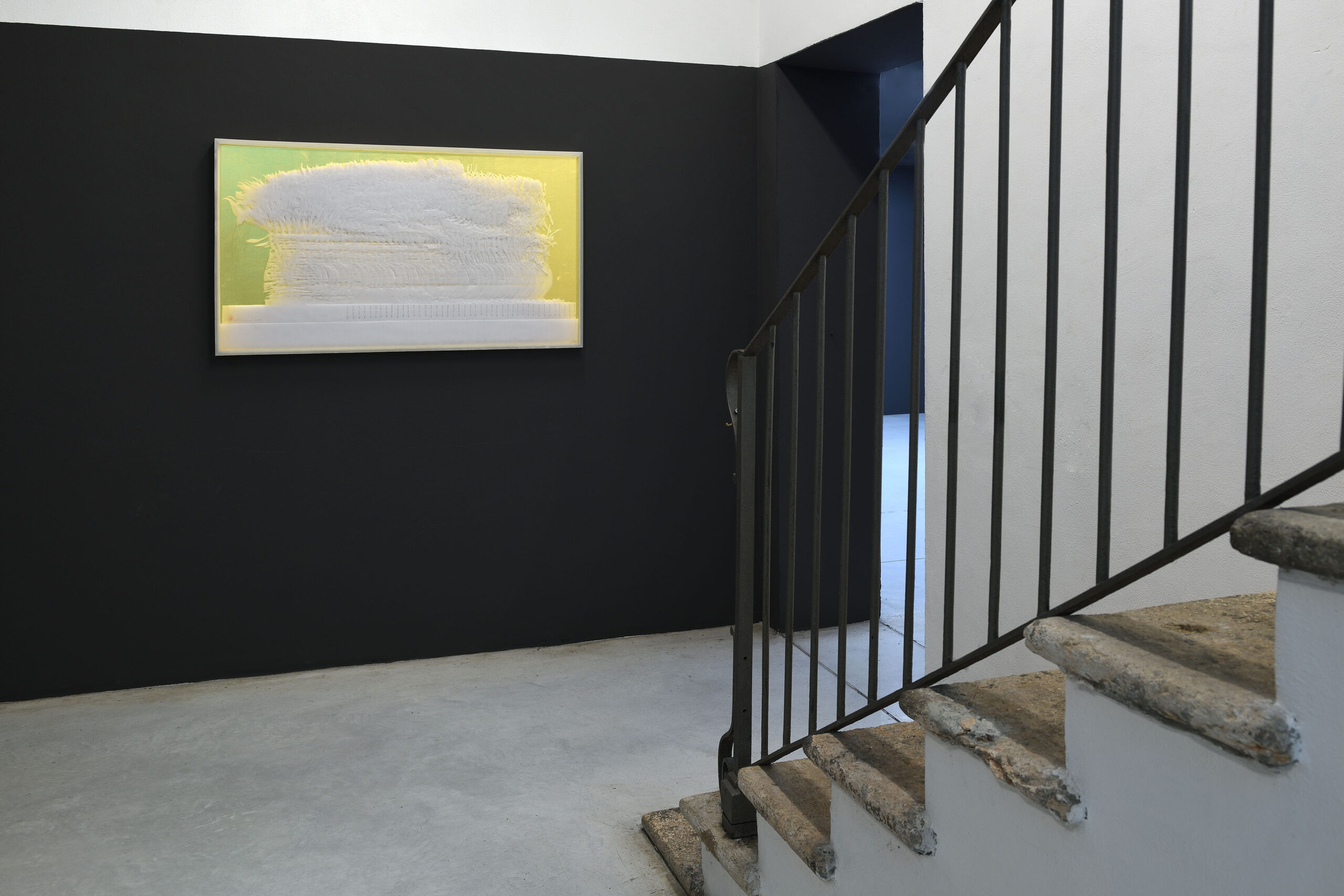
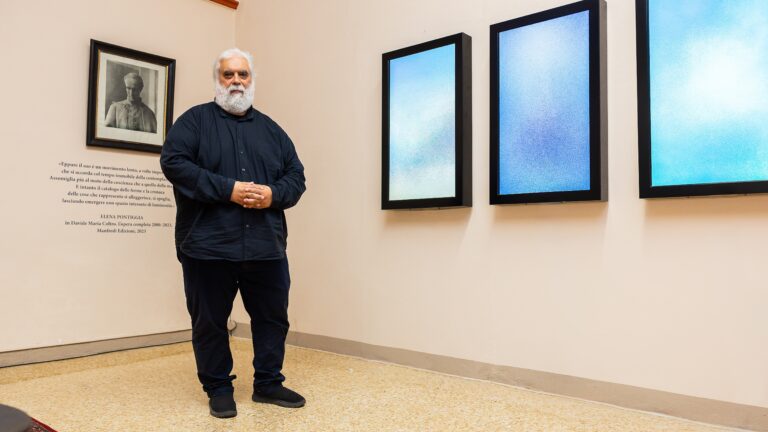
Hiroyuki Masuyama’s artistic practice connects sensory perception with cosmic thought to explore fundamental questions of existence and the cycle of life.
Through immersive light-and-painting installations, he investigates space, time stratification, and the universe, questioning the notions of “here” and “now.”
Parallelly, by tracing plant shadows and using light as a primary material, Masuyama visually captures the continuous process of growth and dissolution, manifesting the endless transformation linking the microcosm to the macrocosm.
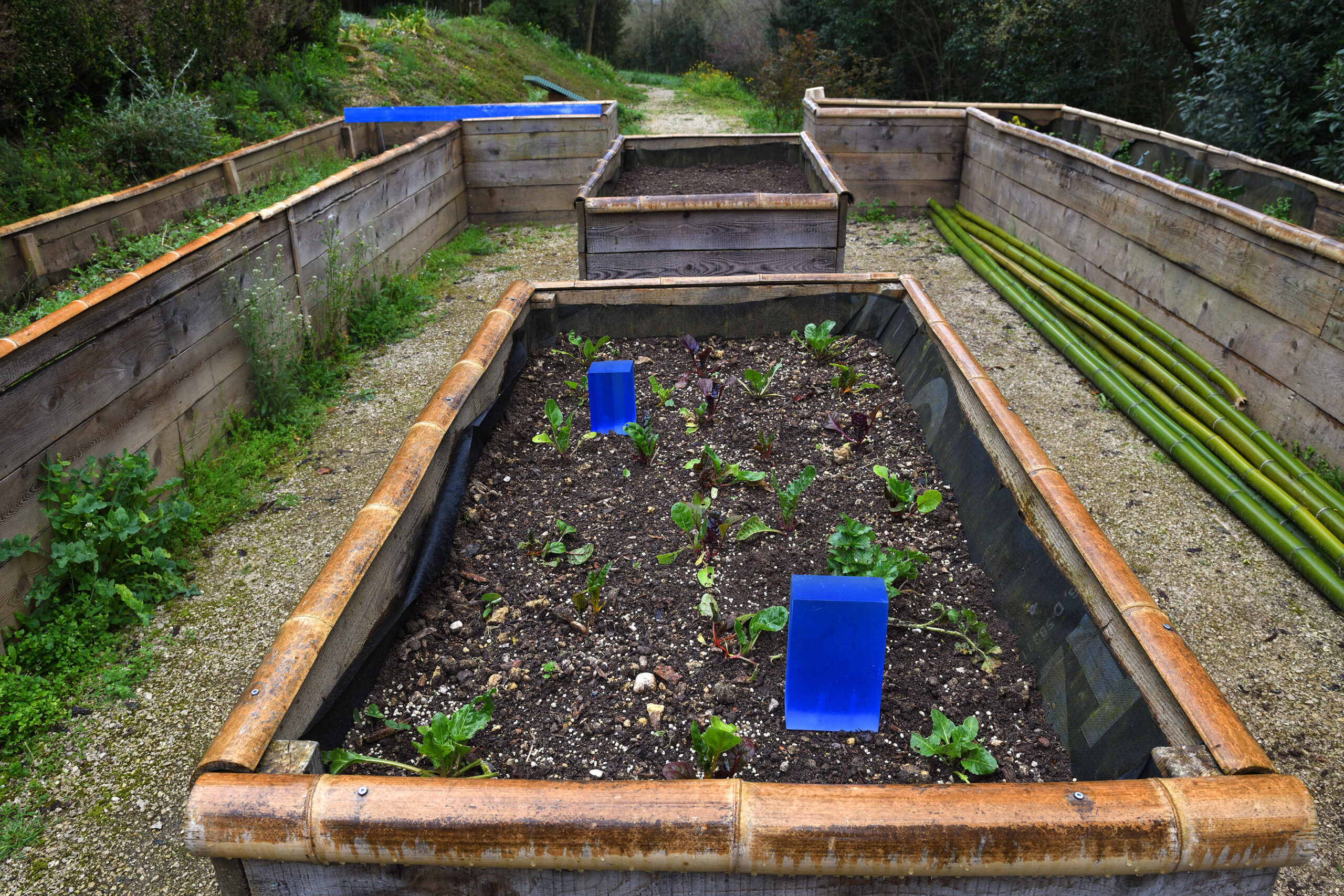
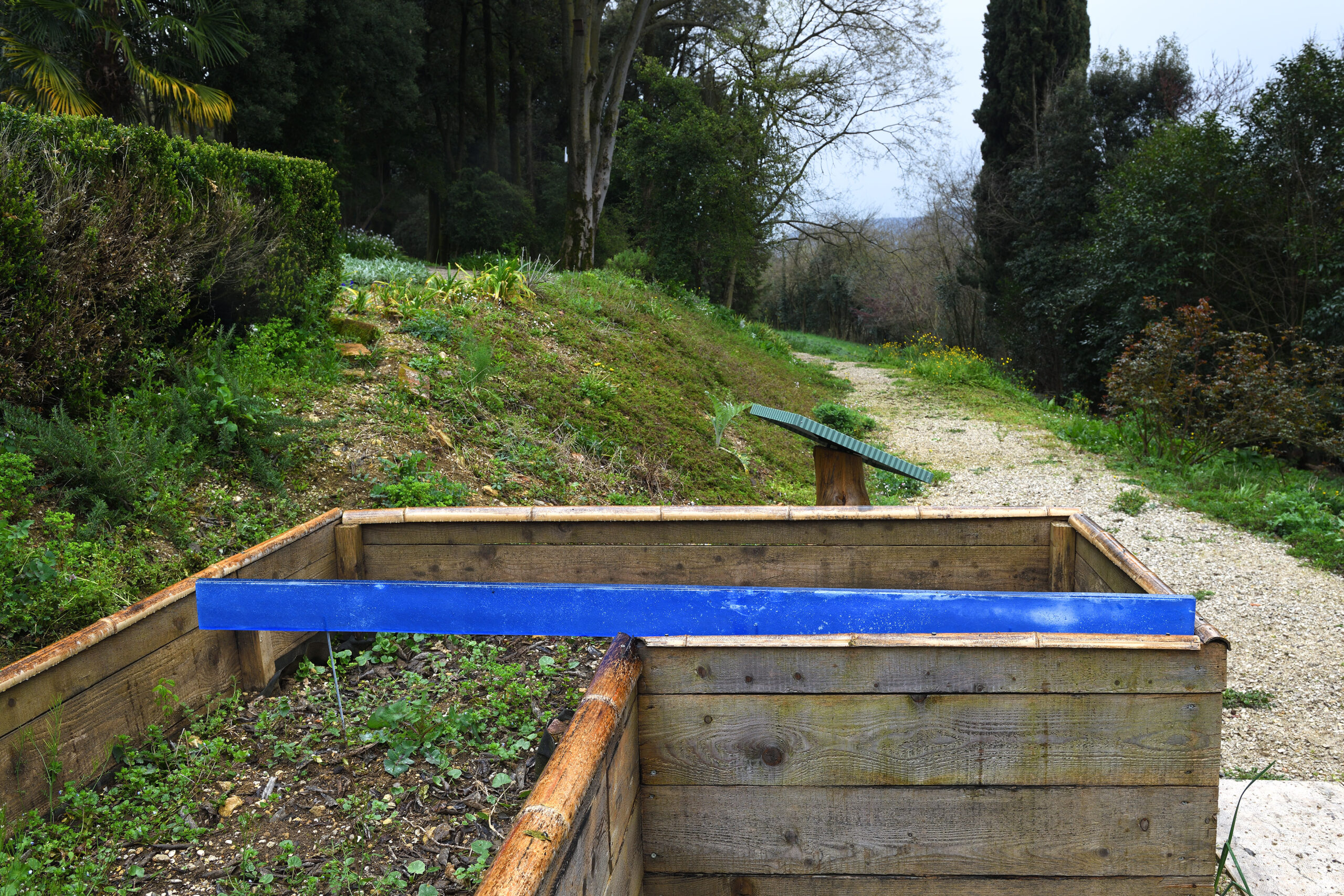
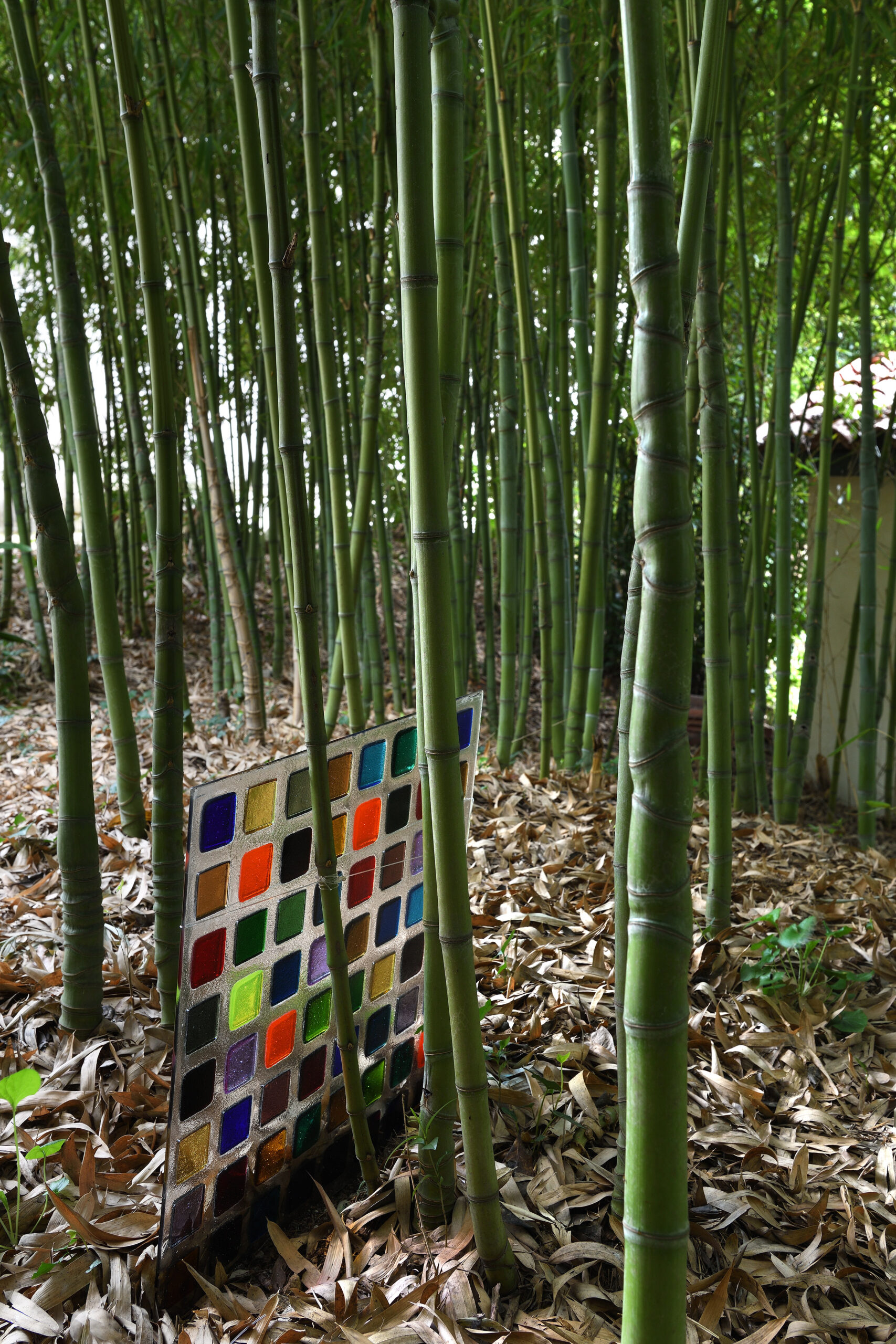
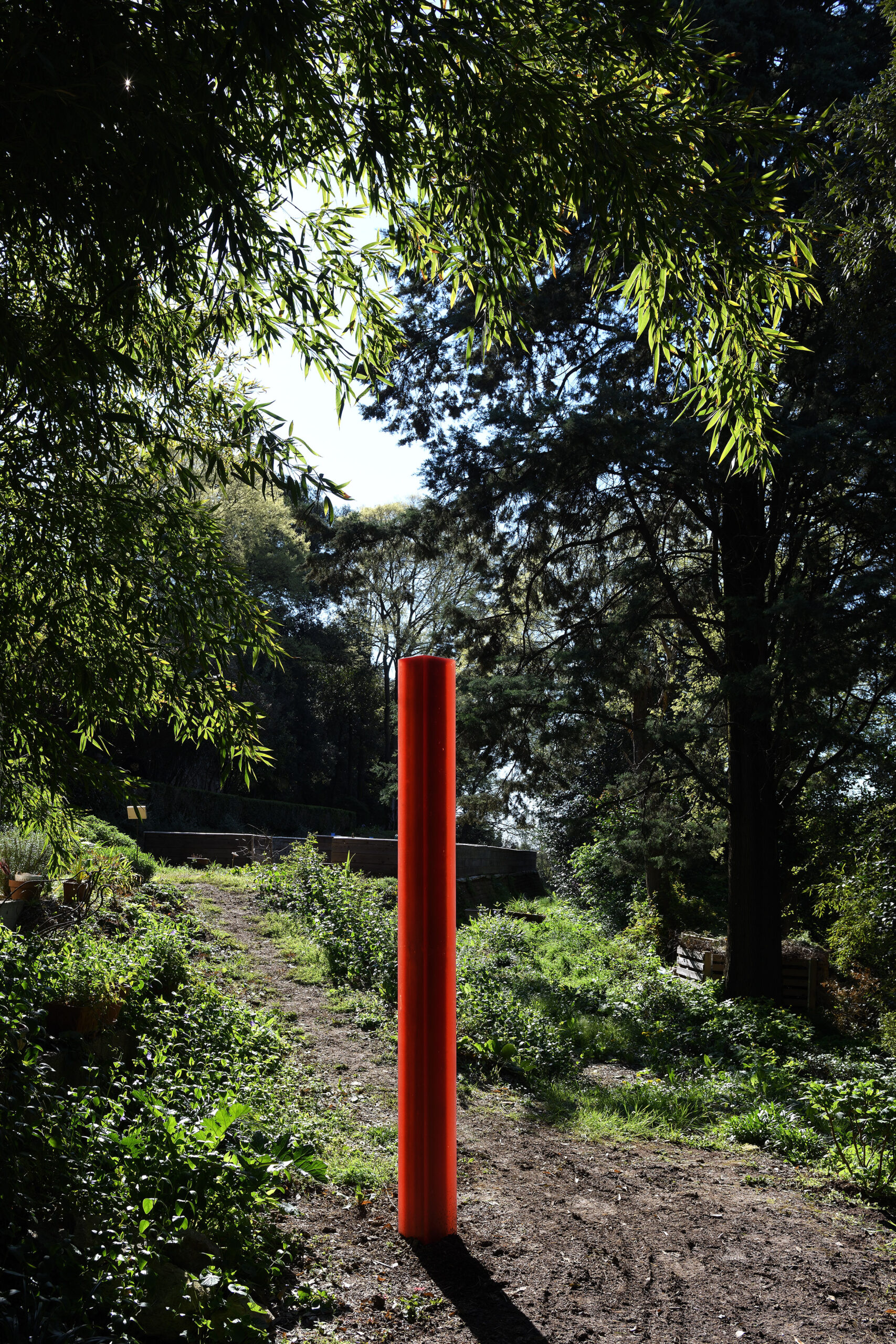
Herbert Hamak uses color not as a mere quality of form, but as a primal, translucent presence and a “living artwork” capable of condensing space and tuning the environment.
In historical contexts like Villa Valmarana, Castelvecchio, or Venice, his subtle, architectural interventions do not impose or decorate, but rather reveal a secret, latent vibration already present within the landscape and memory.
Ultimately, this long-standing practice subverts traditional monochrome boundaries by transforming physical sites into profound interior places where color truly becomes light.
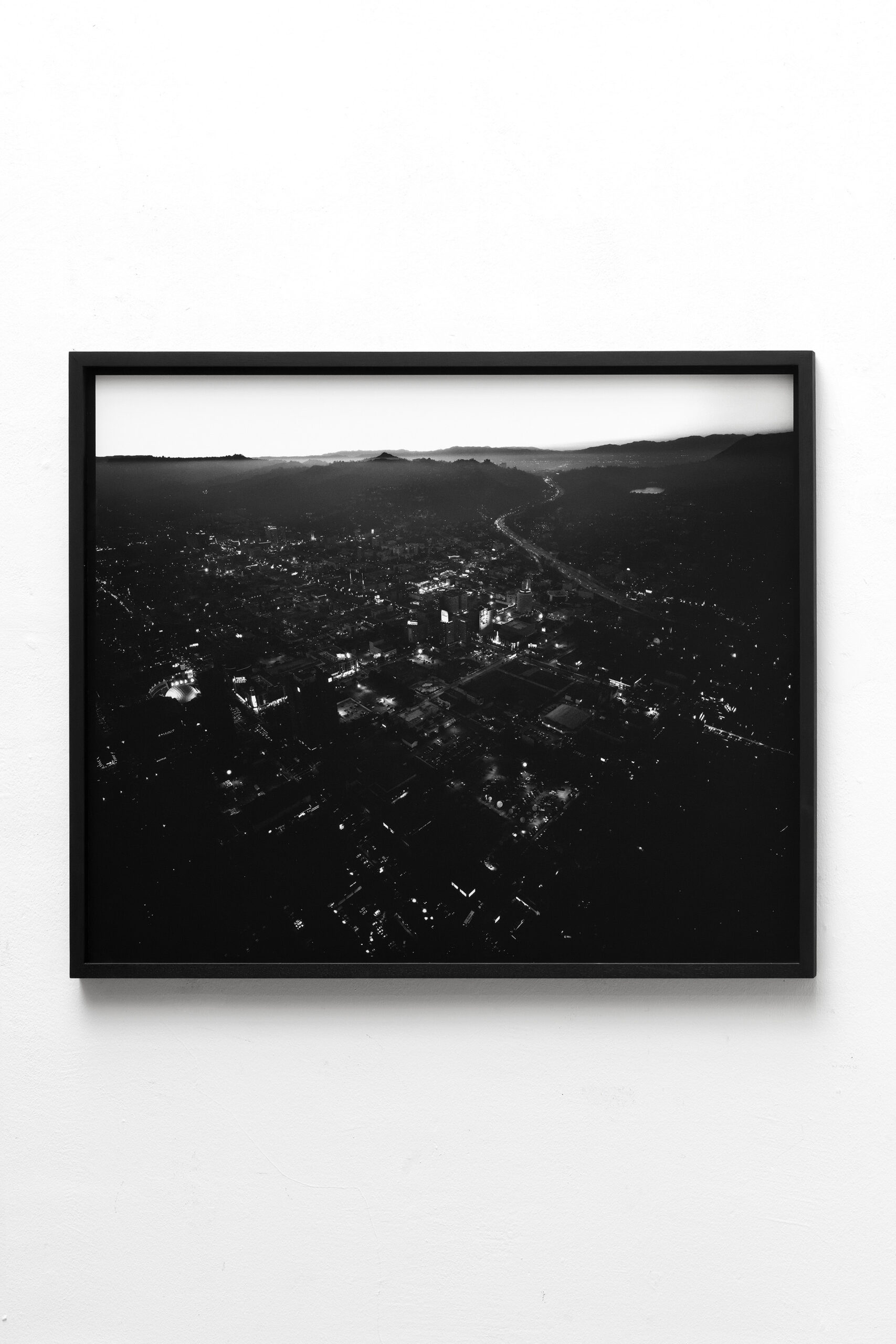
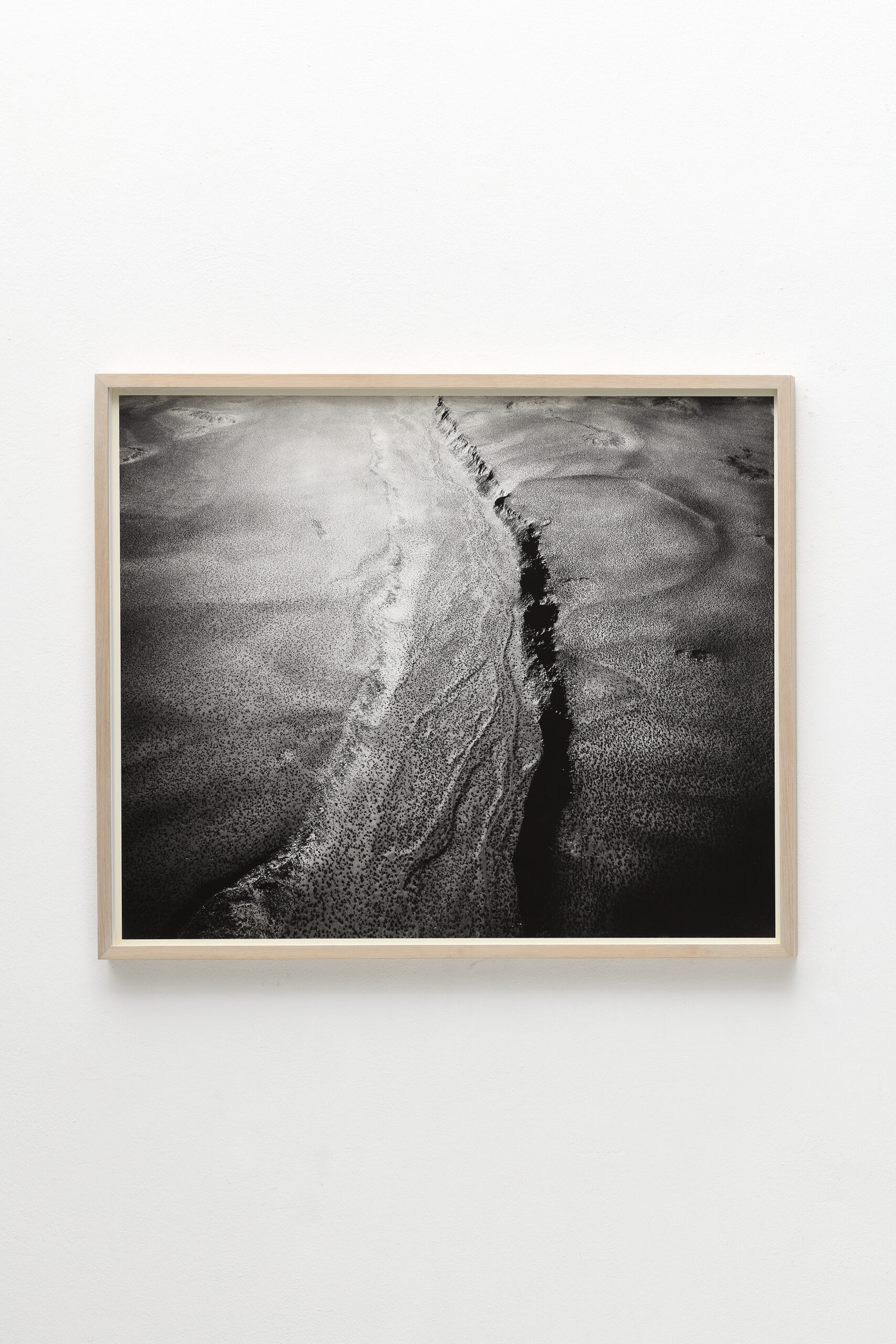
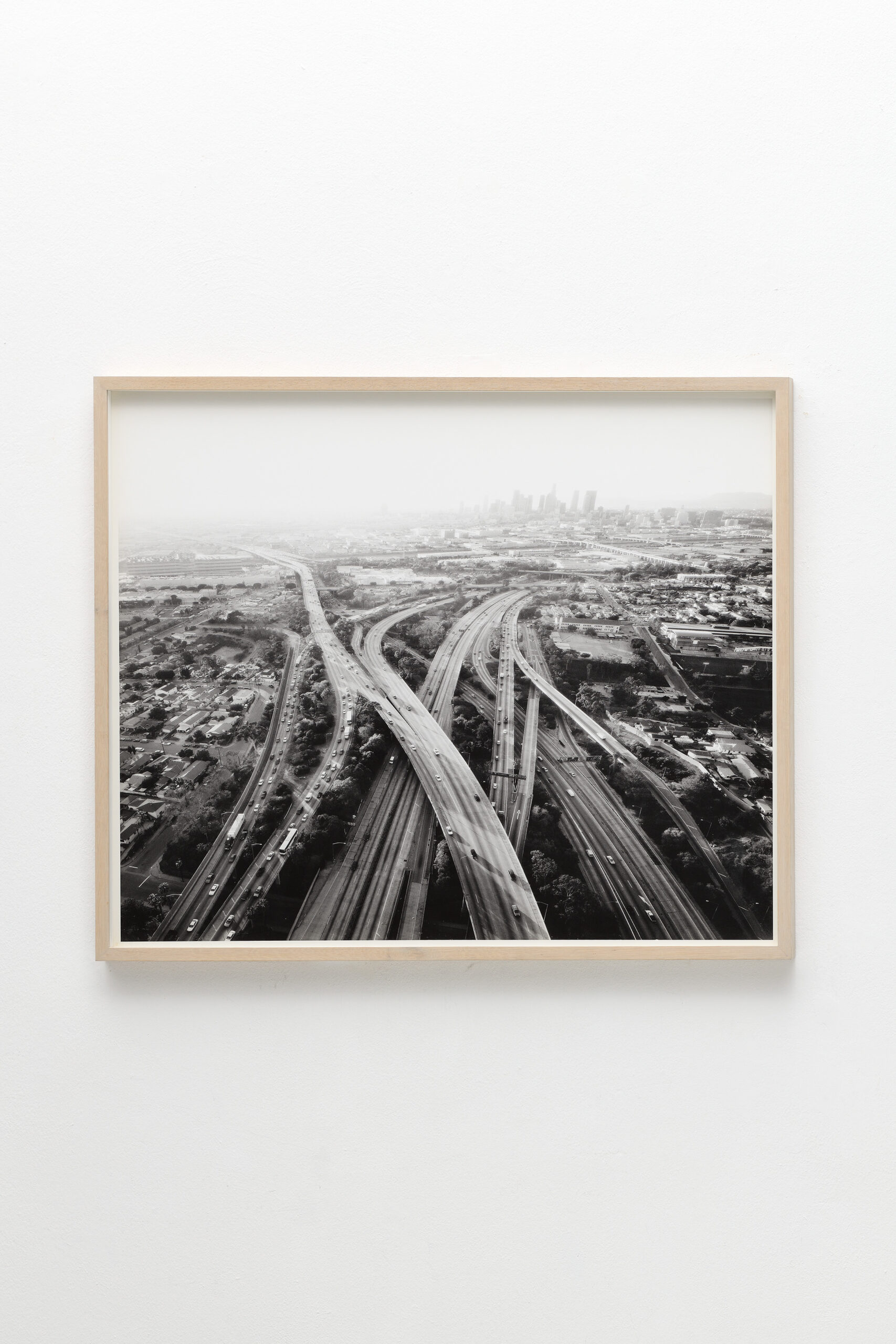
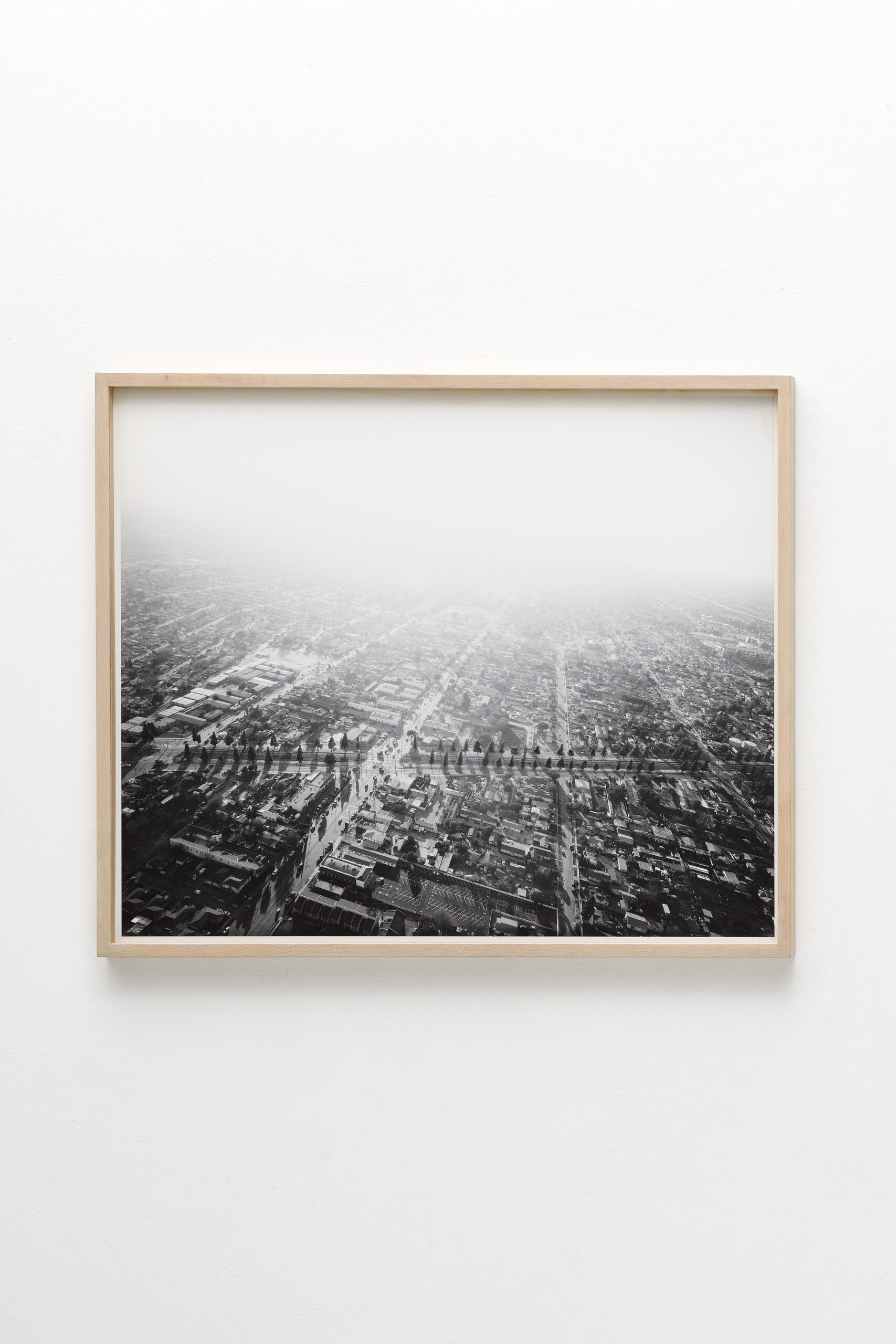
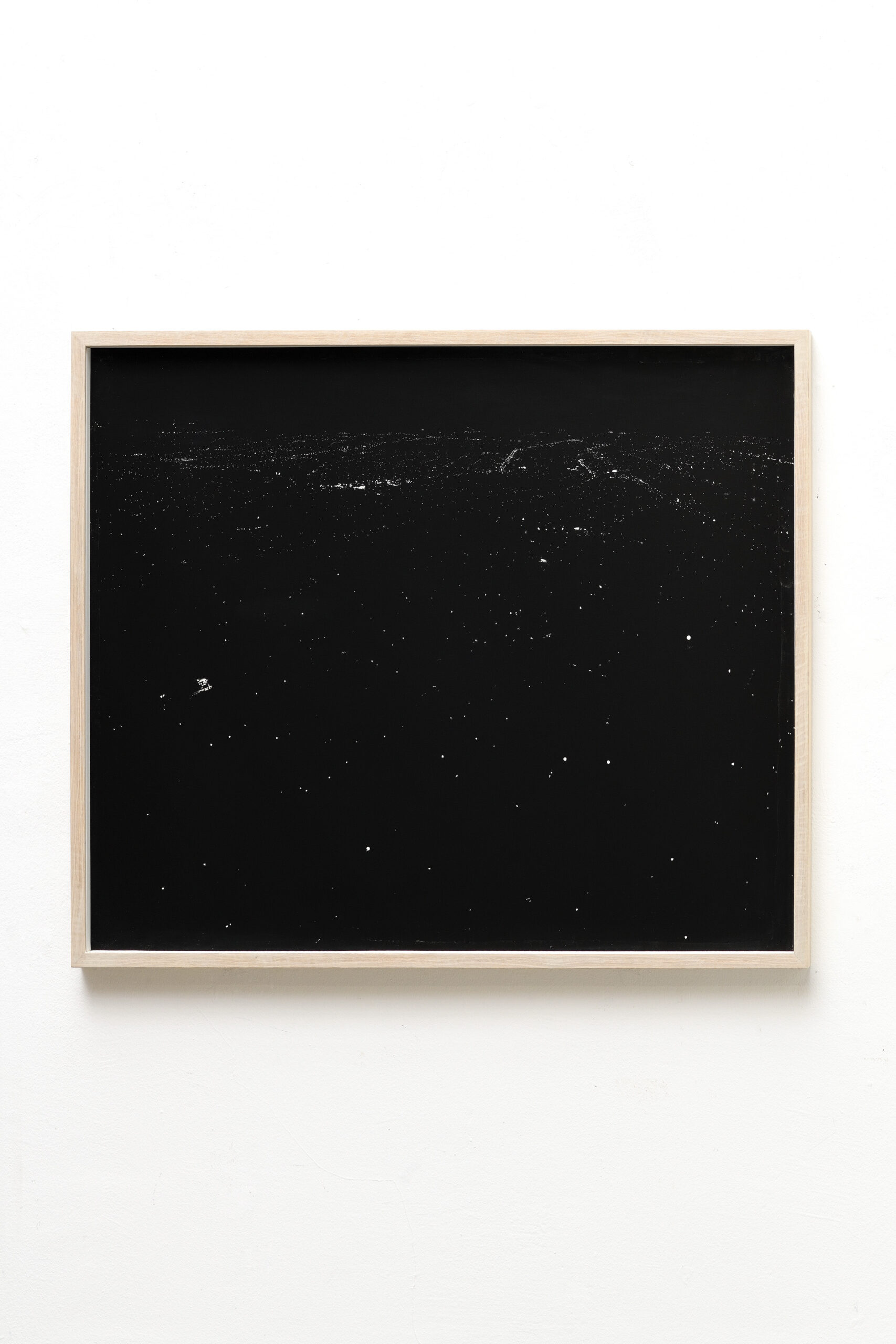
Michael Light has the unique ability to think and see along a wide spectrum of concepts. Like the landscapes he aerially photographs while carefully piloting a small plane, his creative vision is vast and encompassing.
| Alexandra Jo, Photo Eye, 2019
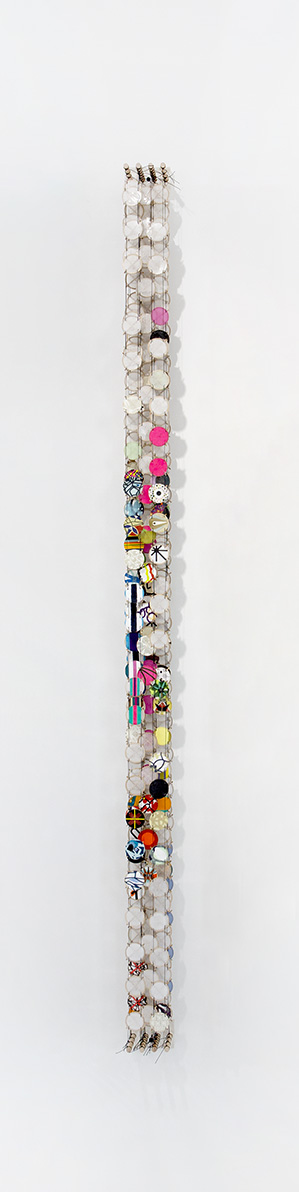
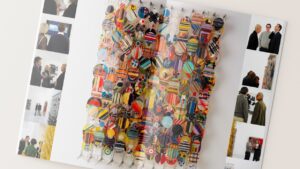
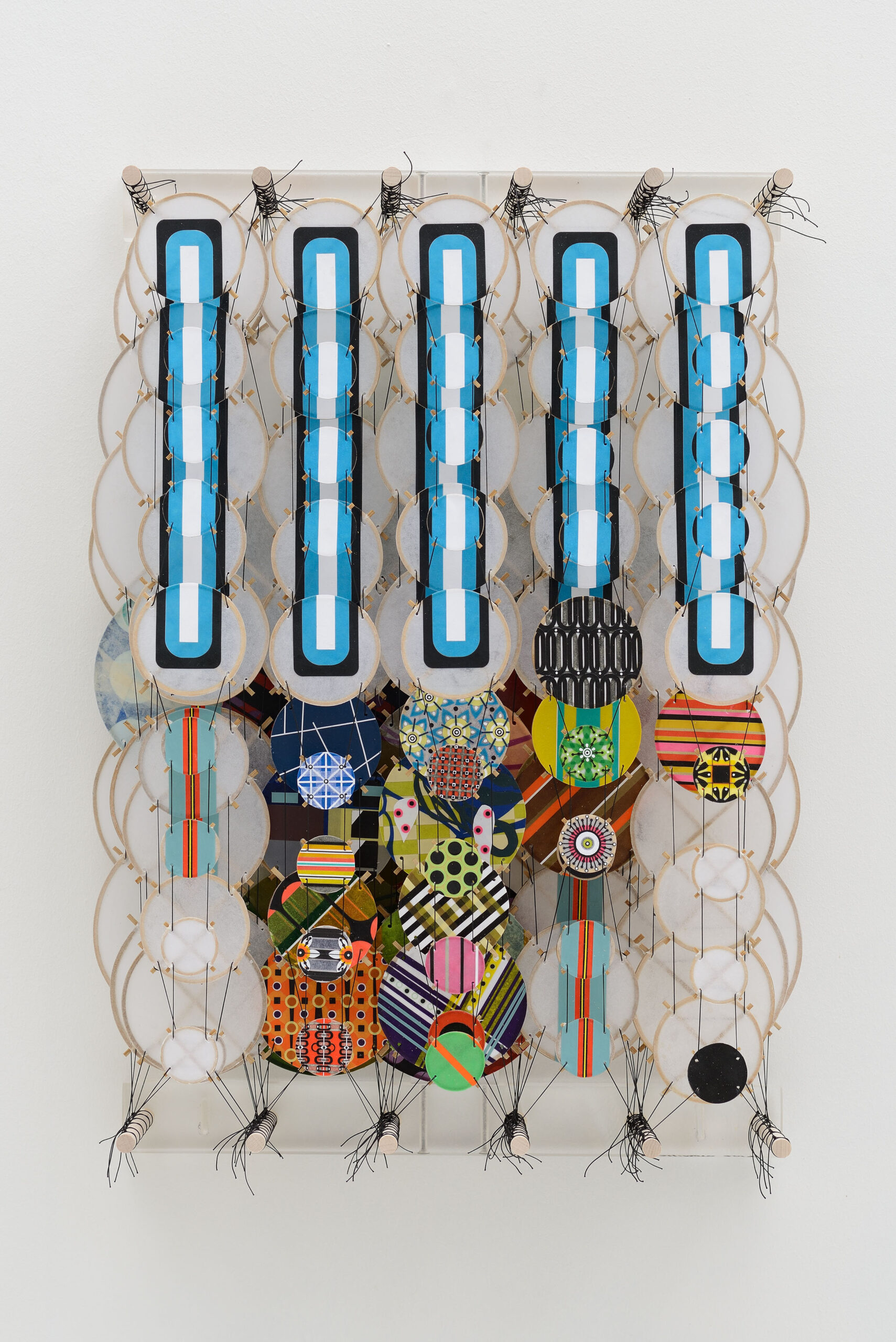
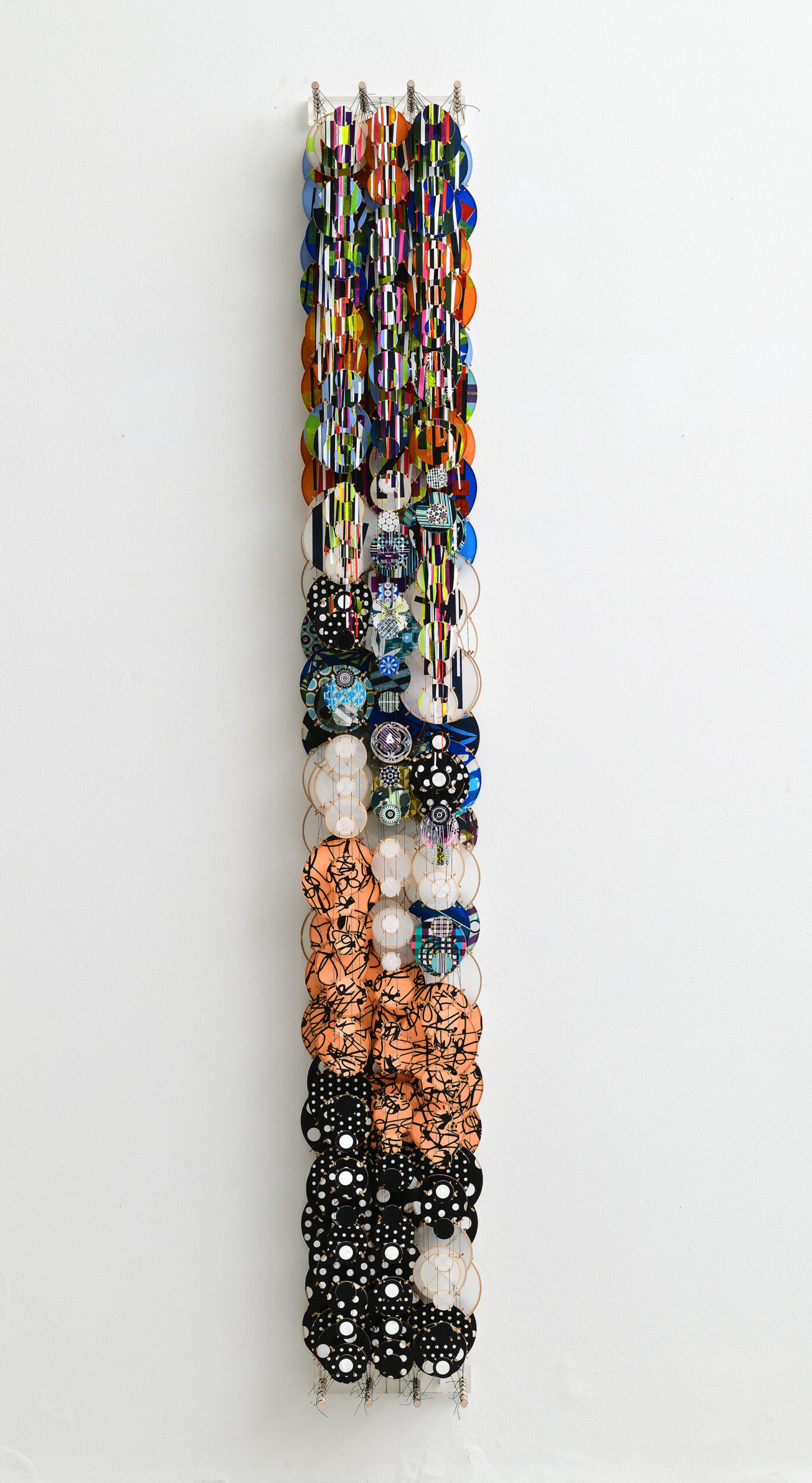
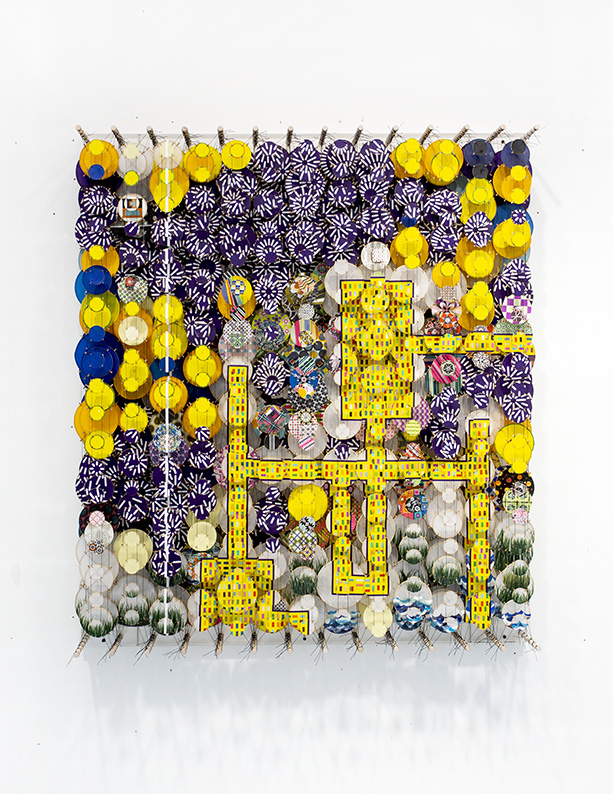
In truth, I have never really been concerned about whether I or somebody else builds my boats, kites, balls, or bottles. What does concern me is the quality of the individual elements and I am always looking for new and better ways to make individual elements faster and more exact. Working digitally and employing CNC milling, blow molding, vacuum forming, etc. allows me to make exceptionally precise objects to my exact specifications. It allows me to spend more time ‘making’ and less time producing…. which in turn makes for stronger, clearer, more thoughtful, and more direct artwork.
| Jacob Hashimoto, 2003
The San Francisco Museum of Modern Art (SFMOMA) is preparing to unveil the largest project of artist Jacob Hashimoto’s career. Opening on August 22, 2026, Giant Arc will transform the museum’s ground level into a breathtaking, architectural-scale dreamscape within the sprawling Roberts Family Gallery on Floor 1, inviting visitors to step directly beneath a monumental floating ecosystem.
From 9 July to 6 September 2026, the town of Ptuj in Slovenia will host the 24th edition of ArtStays – a contemporary art festival, this year entitled ‘Thank you for the flowers’, which comprises a dense network of exhibitions, installations and performances spread across historic sites and exhibition spaces in the town centre.
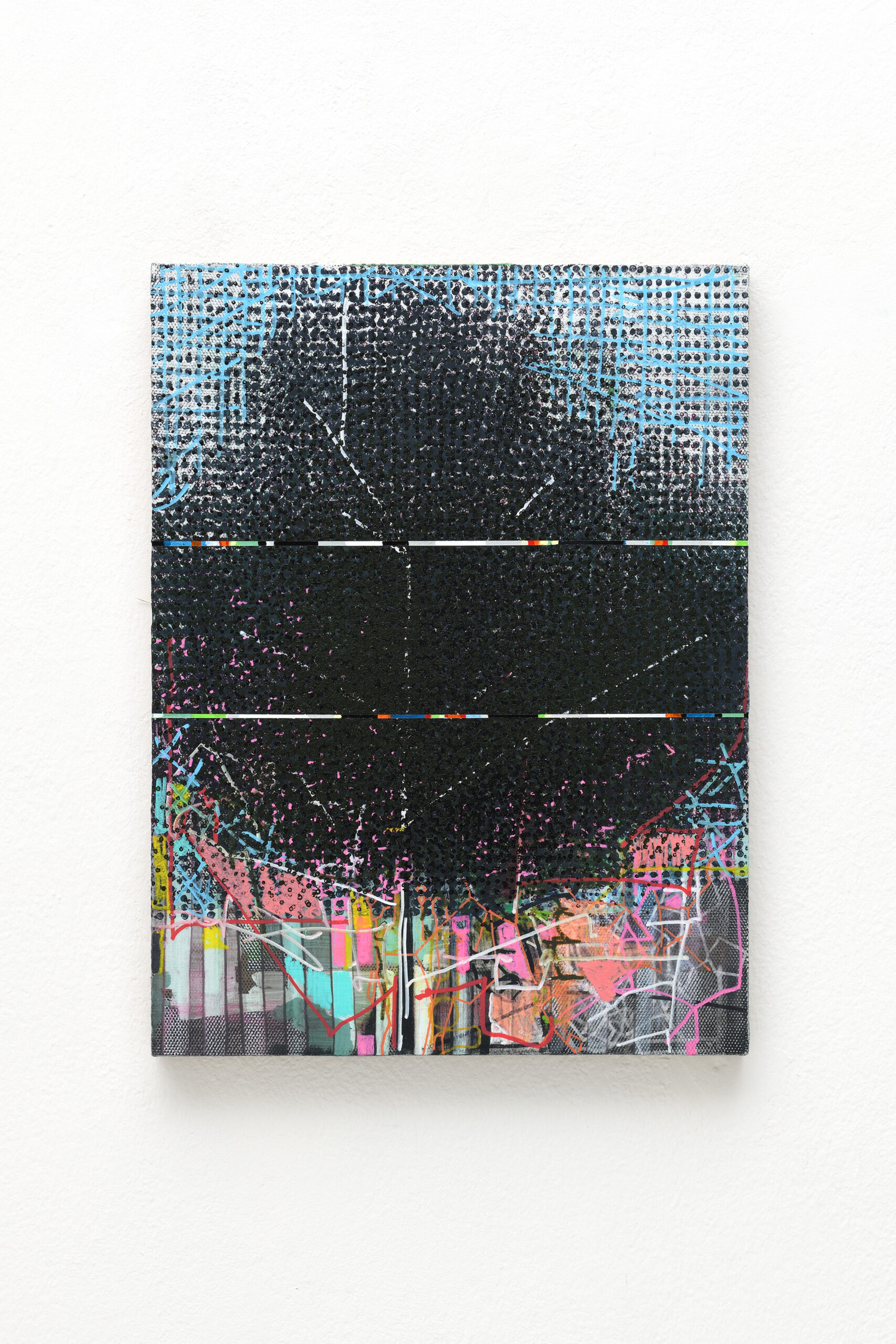
Renaissance Removal Paintings marks a shift for Studio la Città by moving beyond its traditional focus on reduction toward an additive painterly process. Through layered paint, Lucas Reiner reorganizes pictorial space to establish a dialogical relationship between figure and ground. By amplifying perspectival tension between absent figures and their landscapes, he dismantles traditional Renaissance compositional logic to deepen the etymological and theological meaning of Judeo-Christian narratives.
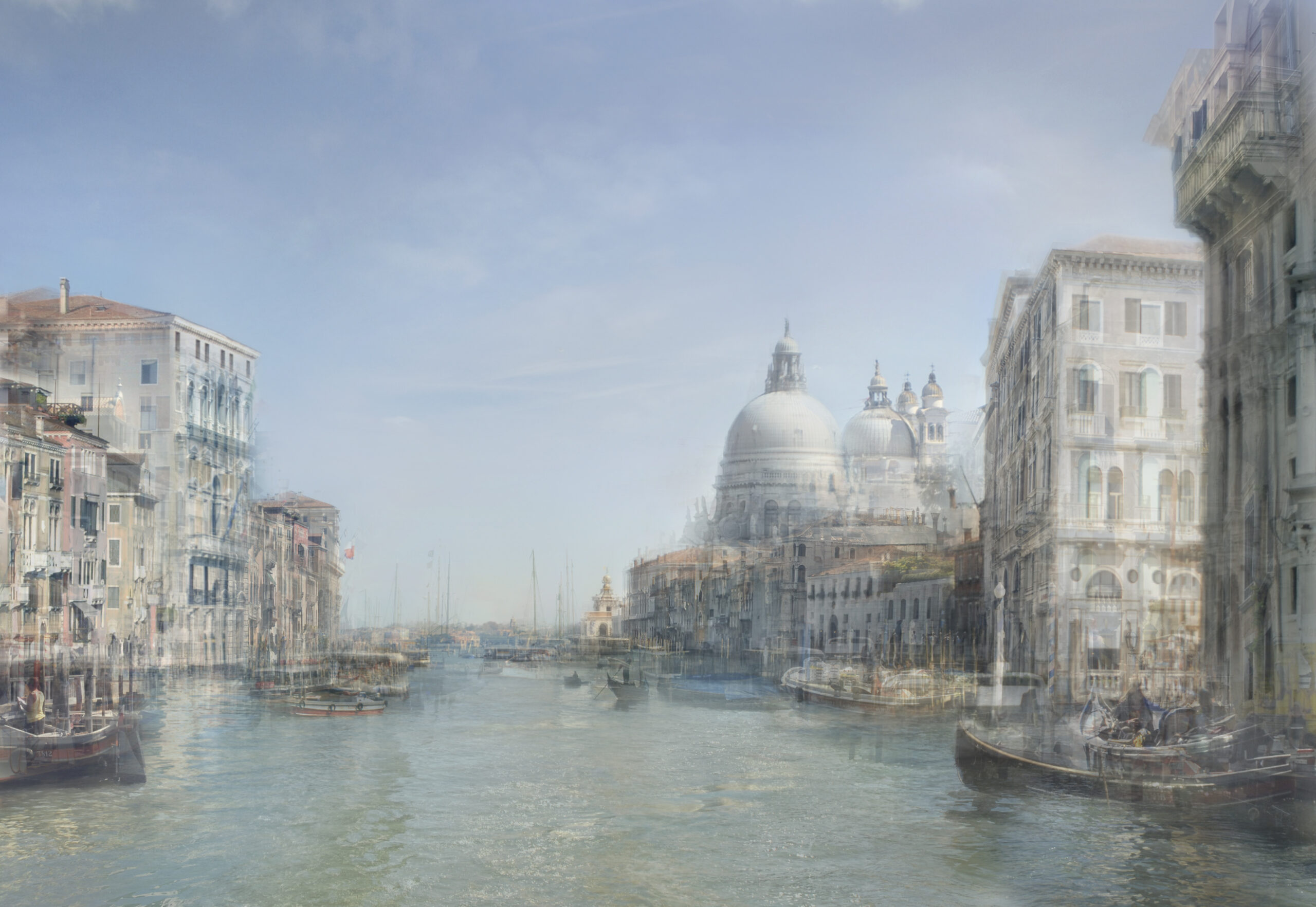
This feature dives into how Mikhael Subotzky reconstructs mental processes and dreams by overlaying images using his signature sticky-tape technique, effectively manipulating and blending time.
From the intricate layers of the Jacaranda/Hermanus triptych to the physically shattered glass of his Street Party, Saxonwold print, Subotzky actively destroys the “frozen instant” of traditional photography. Rather than relying on simple socio-political commentary, he elevates the medium into a unique, painterly tool that completely upends how we view identity, memory, and the passage of time.