contemporary art gallery since 1969
Antonio Marchetti Lamera (Bergamo, 1964) – lives and works in Torre Pallavicina (BG)
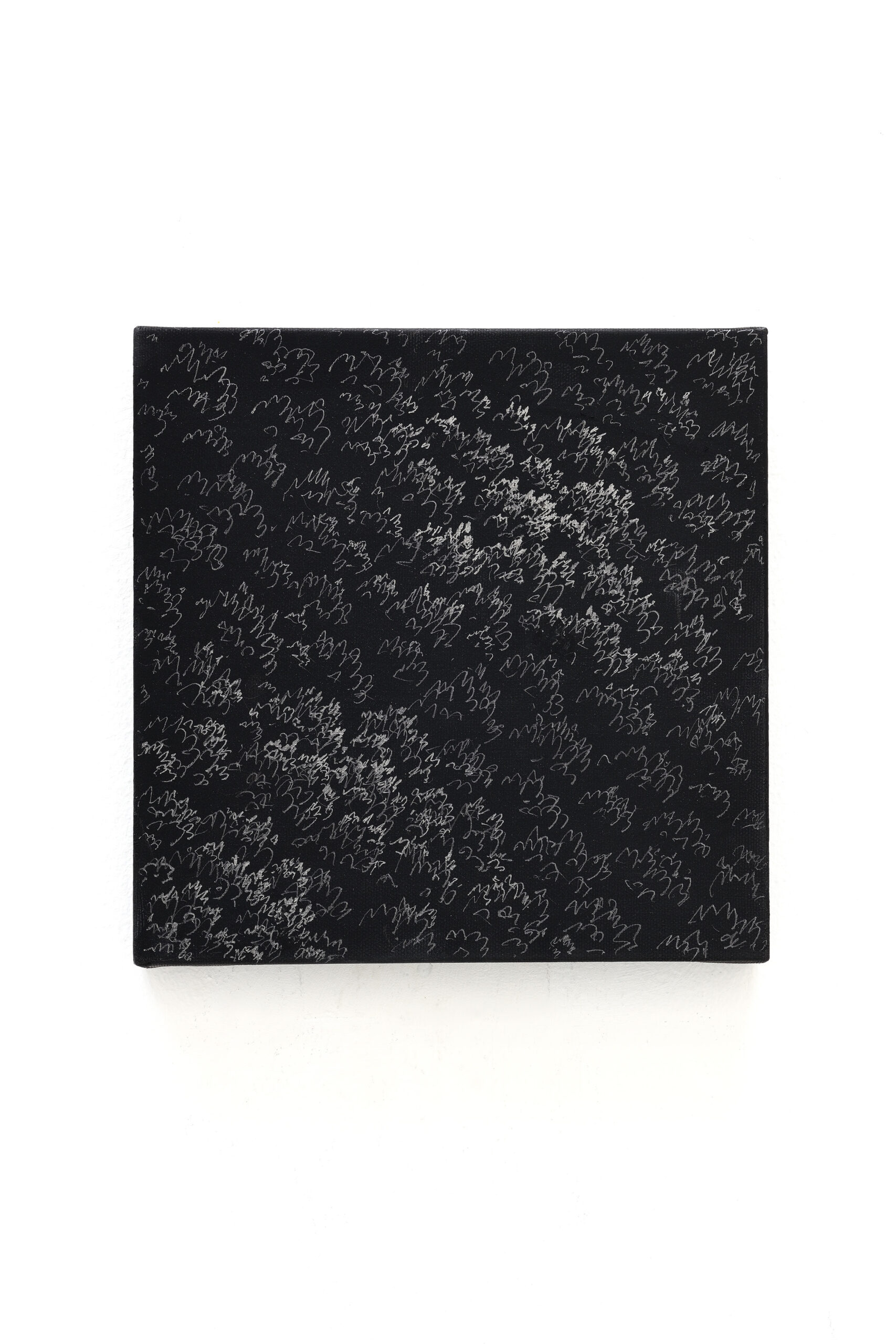
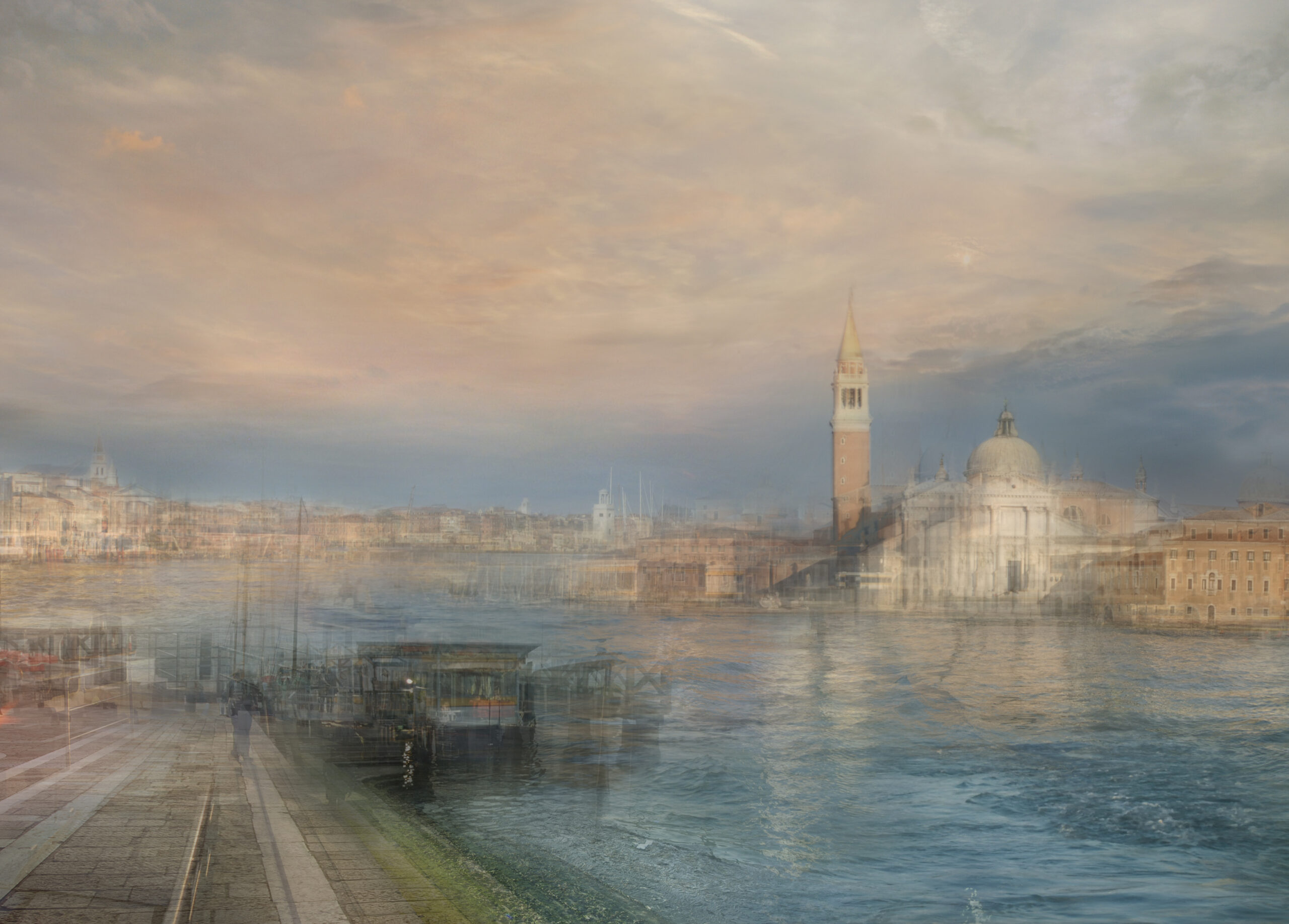
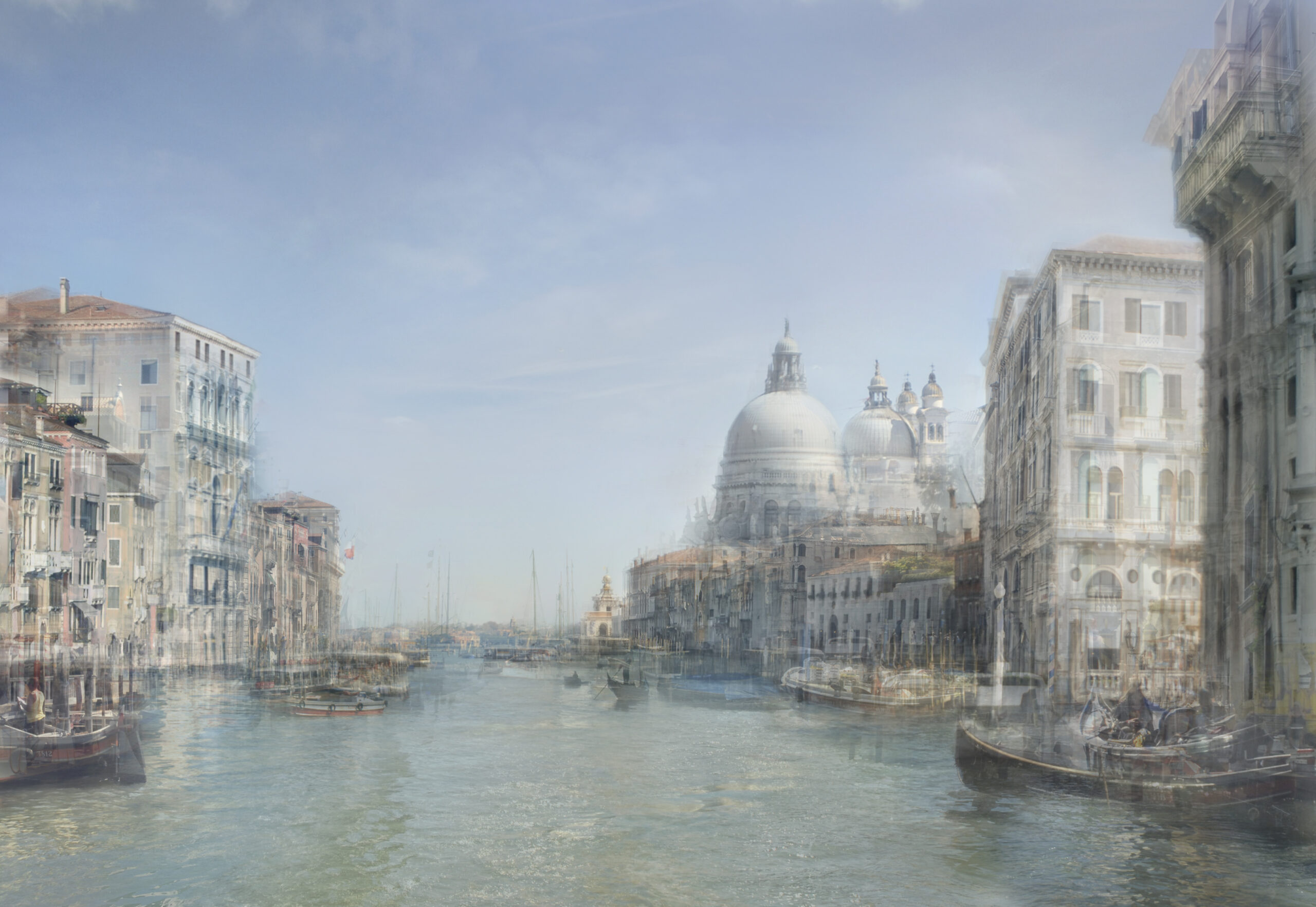
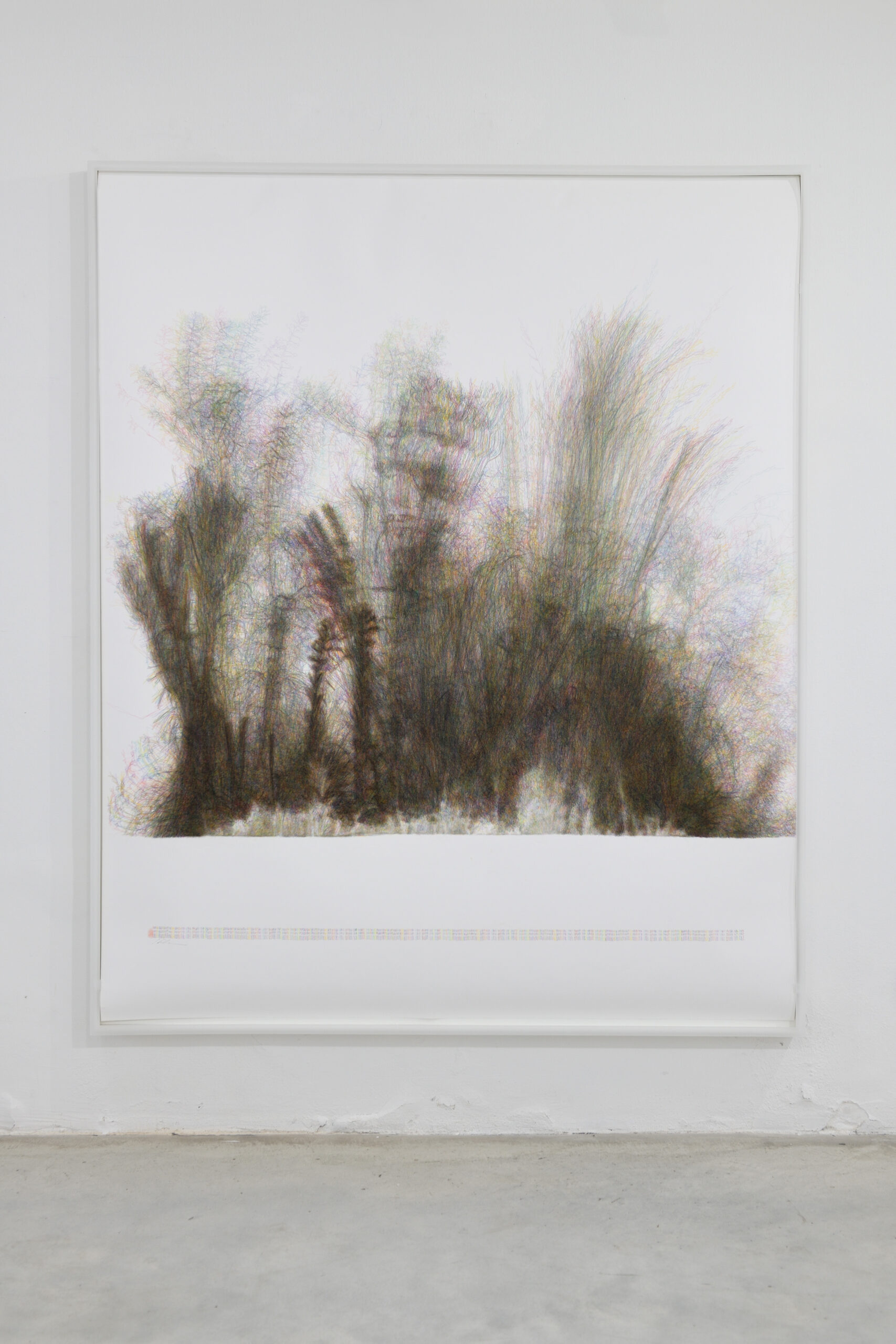
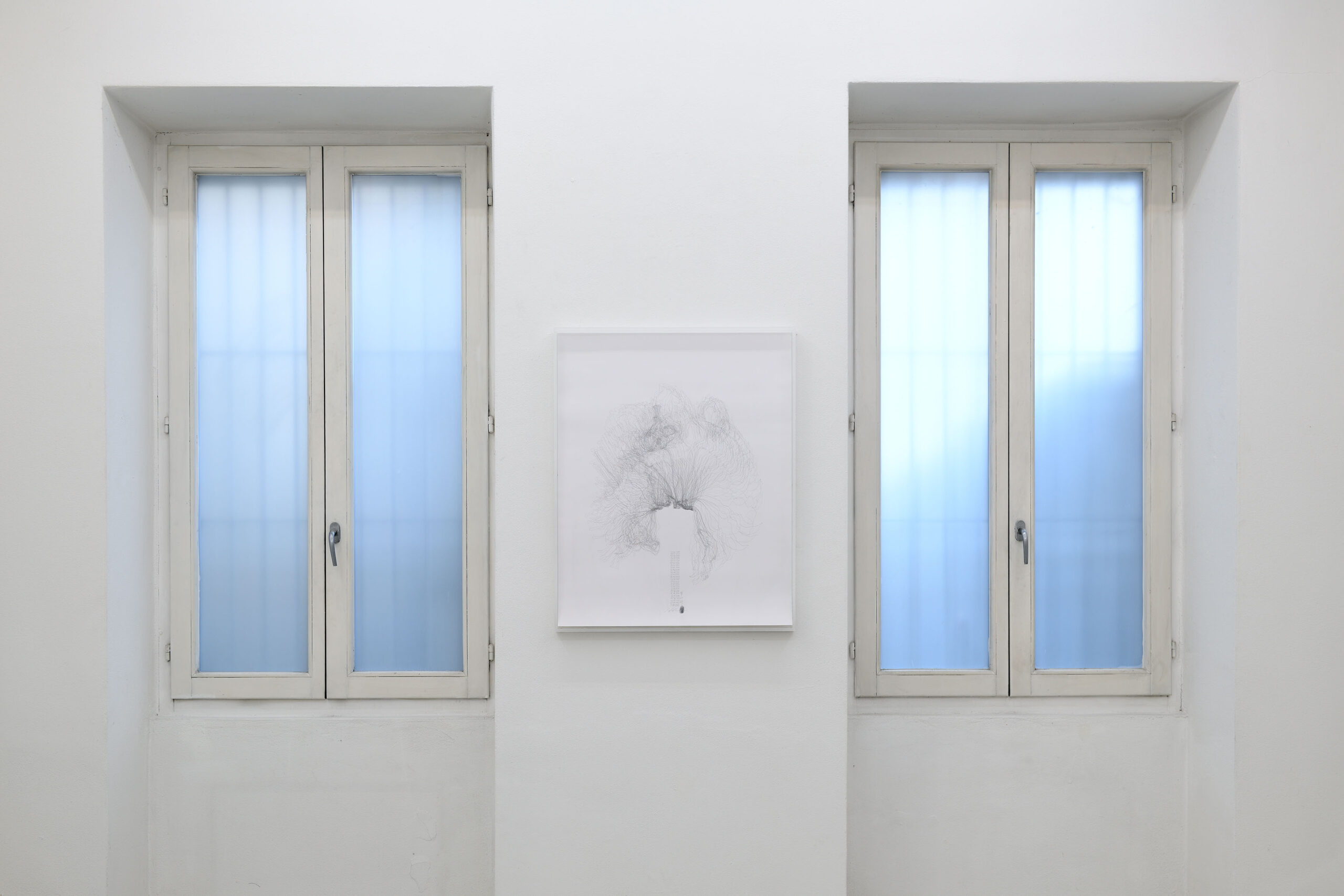
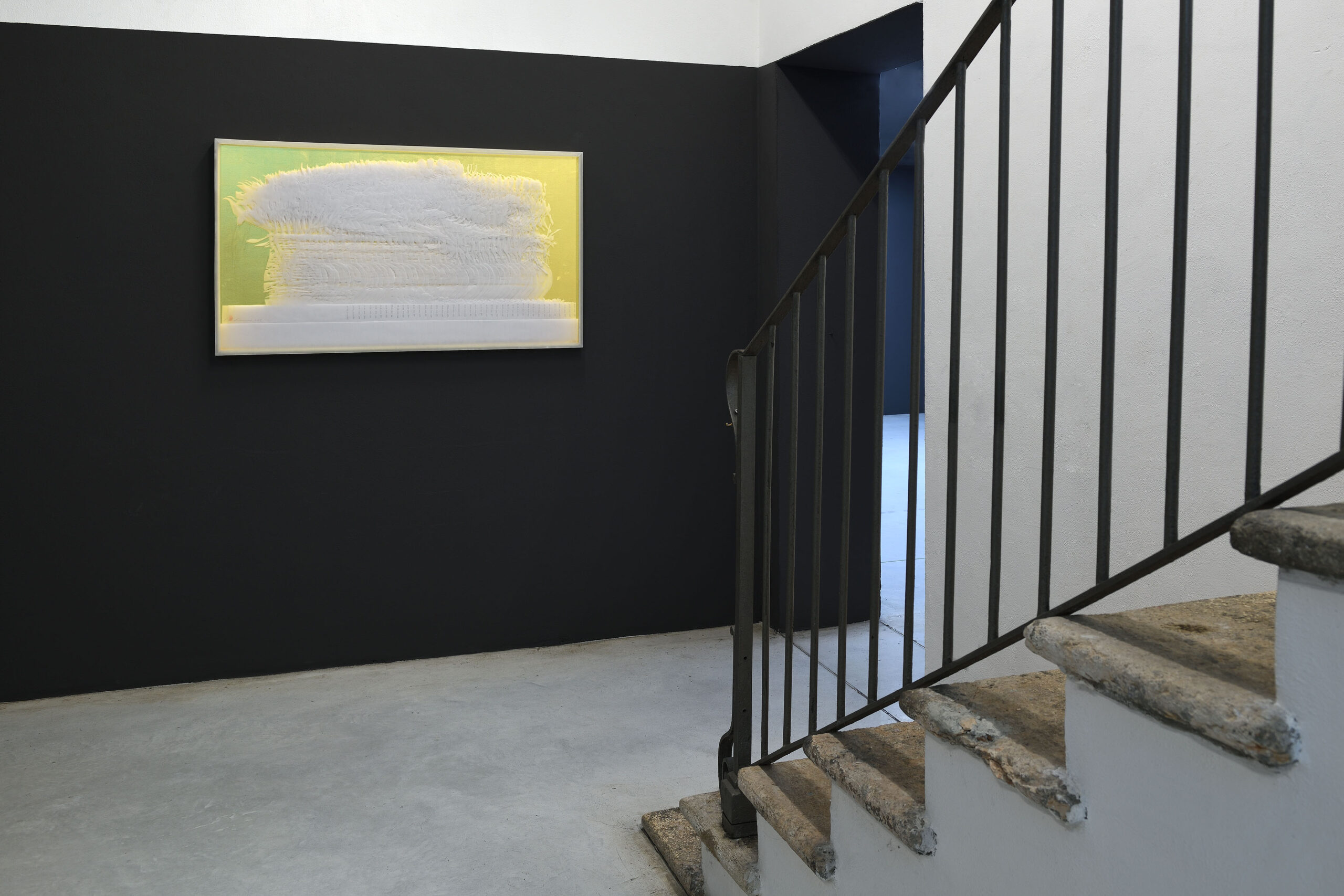
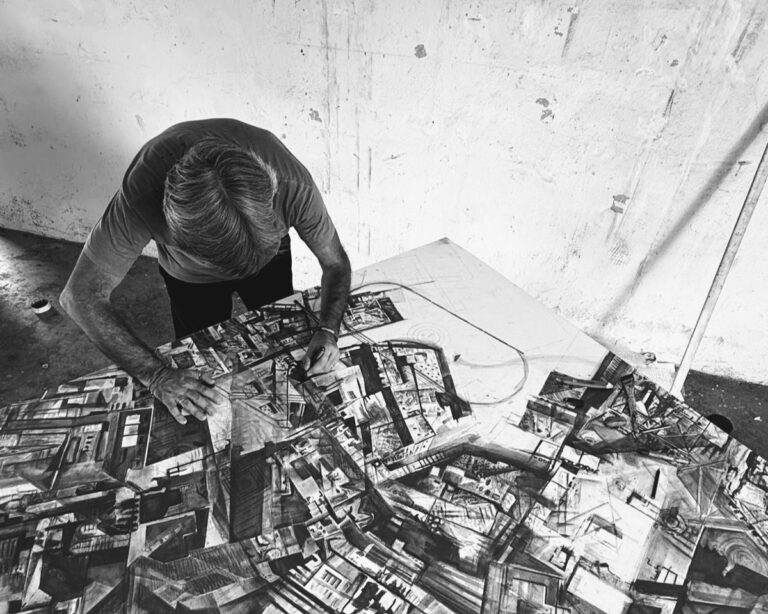
Twenty Italian squares converge into a single image, where the memory of place endures even as its recognisability dissolves. Geometries, shadows and transparencies overlap, transforming urban space into a shifting perceptual matter.
PIAZZE D’ITALIA by Antonio Marchetti Lamera
Curated by Roberto Lacarbonara
Exhibition open to the public from October 31 to November 21, 2026
Opening: October 31, 2026, from 4:00 PM to 6:00 PM.
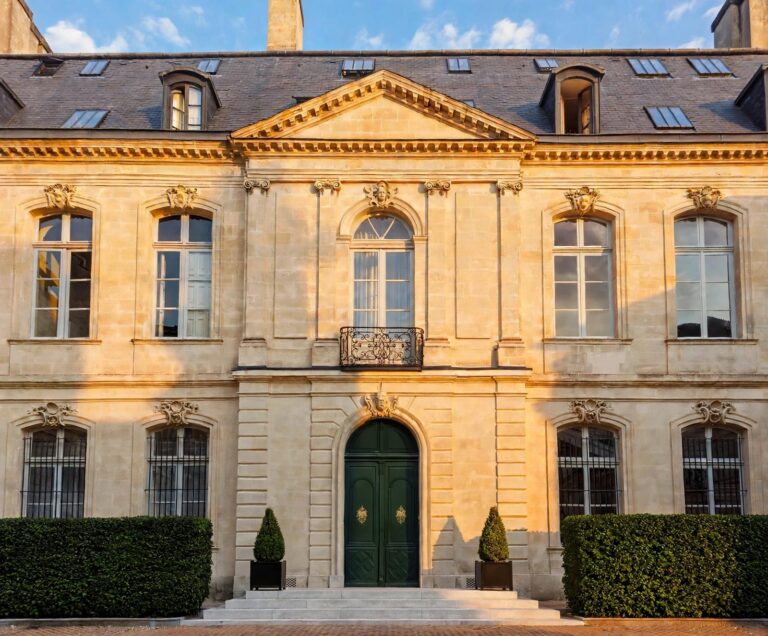
Studio la Città is organising an exhibition with Marc Dauberte, founder of Garance Architecture and Interior Design, in the stunning surroundings of the Hotel de la Tresne, in the centre of Bordeaux. This collaboration stems from an immediate shared vision between the two organisations, which are kindred in their outlook, curiosity and appreciation of the critical value of the works of art selected and exhibited.
The 18th-century rooms of the building, a perfect example of the ‘cour et jardin’ style, will host the exhibition SPAZIO-TEMPO: an unusual challenge for Studio la Città and, for Marc Dauberte, an opportunity to share reflections on space, time and nature. The spaciousness of the venue allows for an installation that explores the work of nine artists, fostering a natural dialogue between their works and weaving together the essences of the classical and the contemporary.
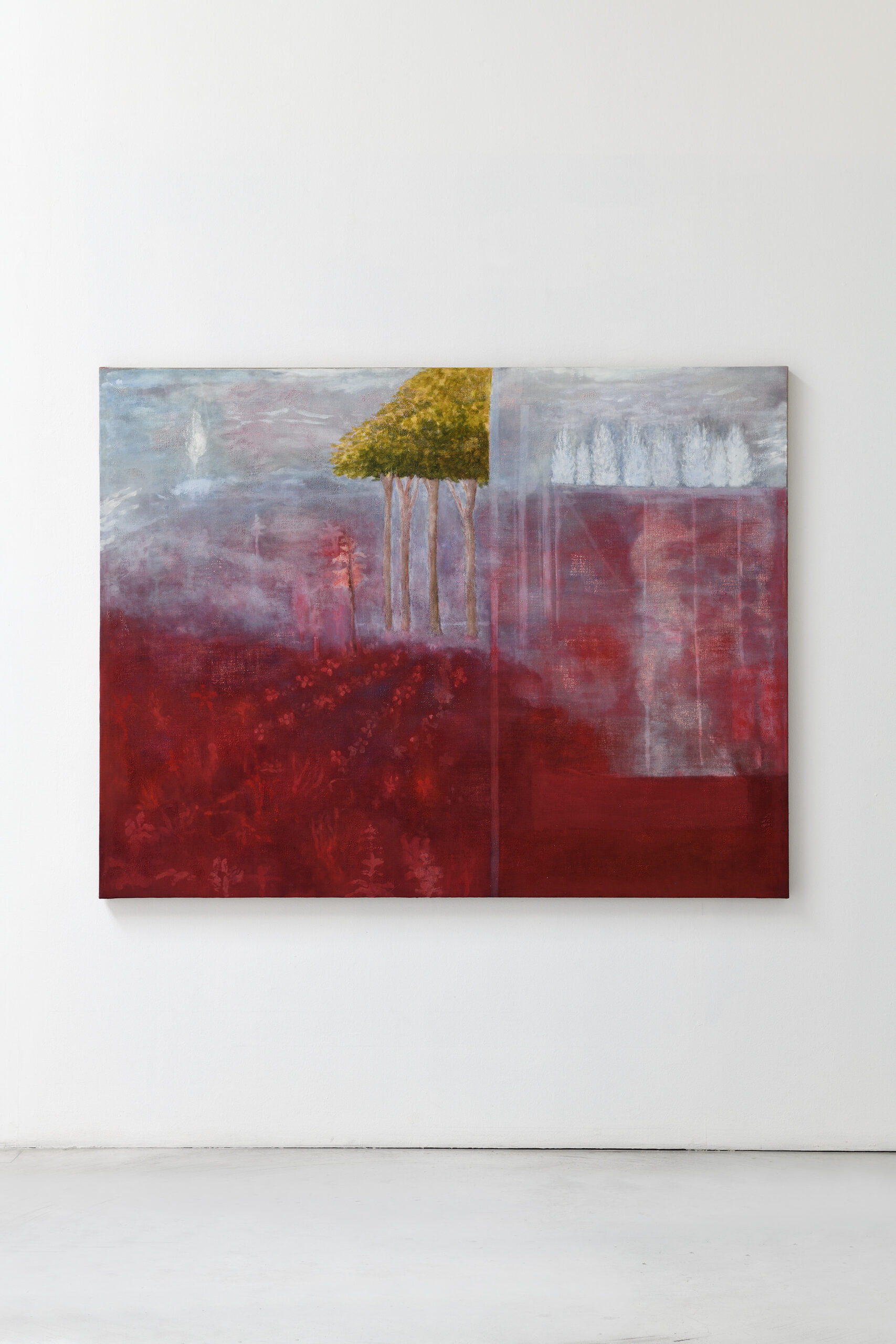
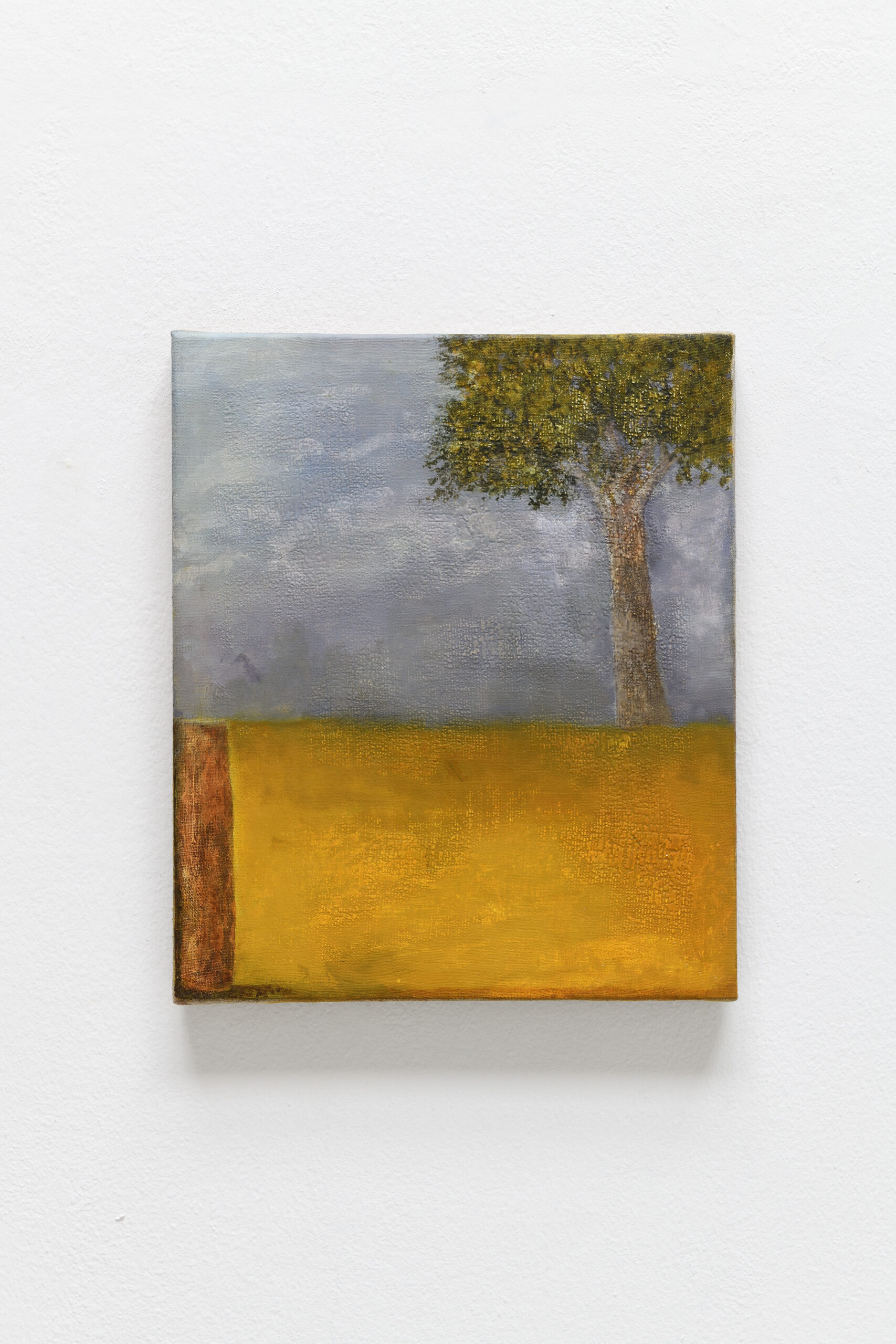
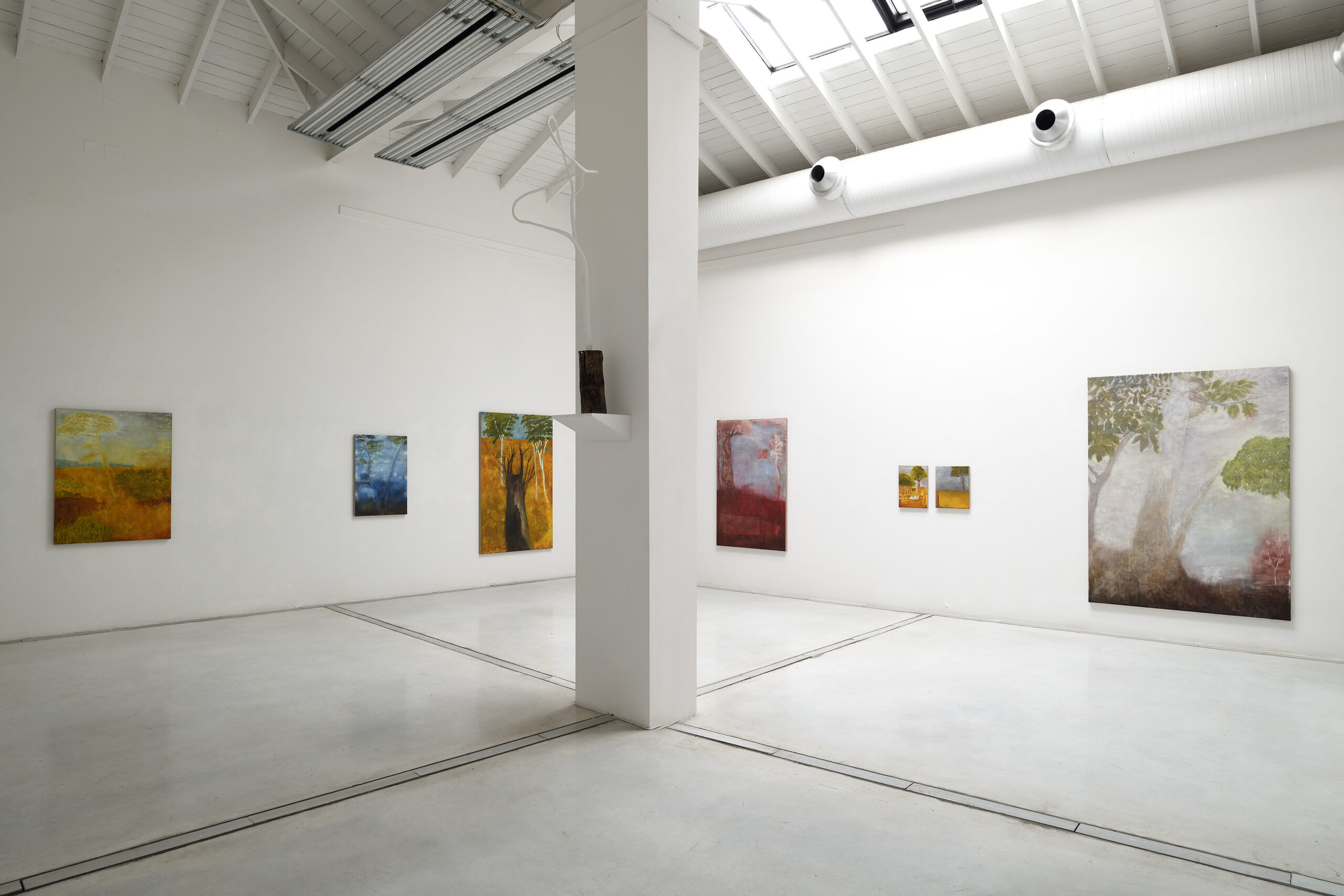
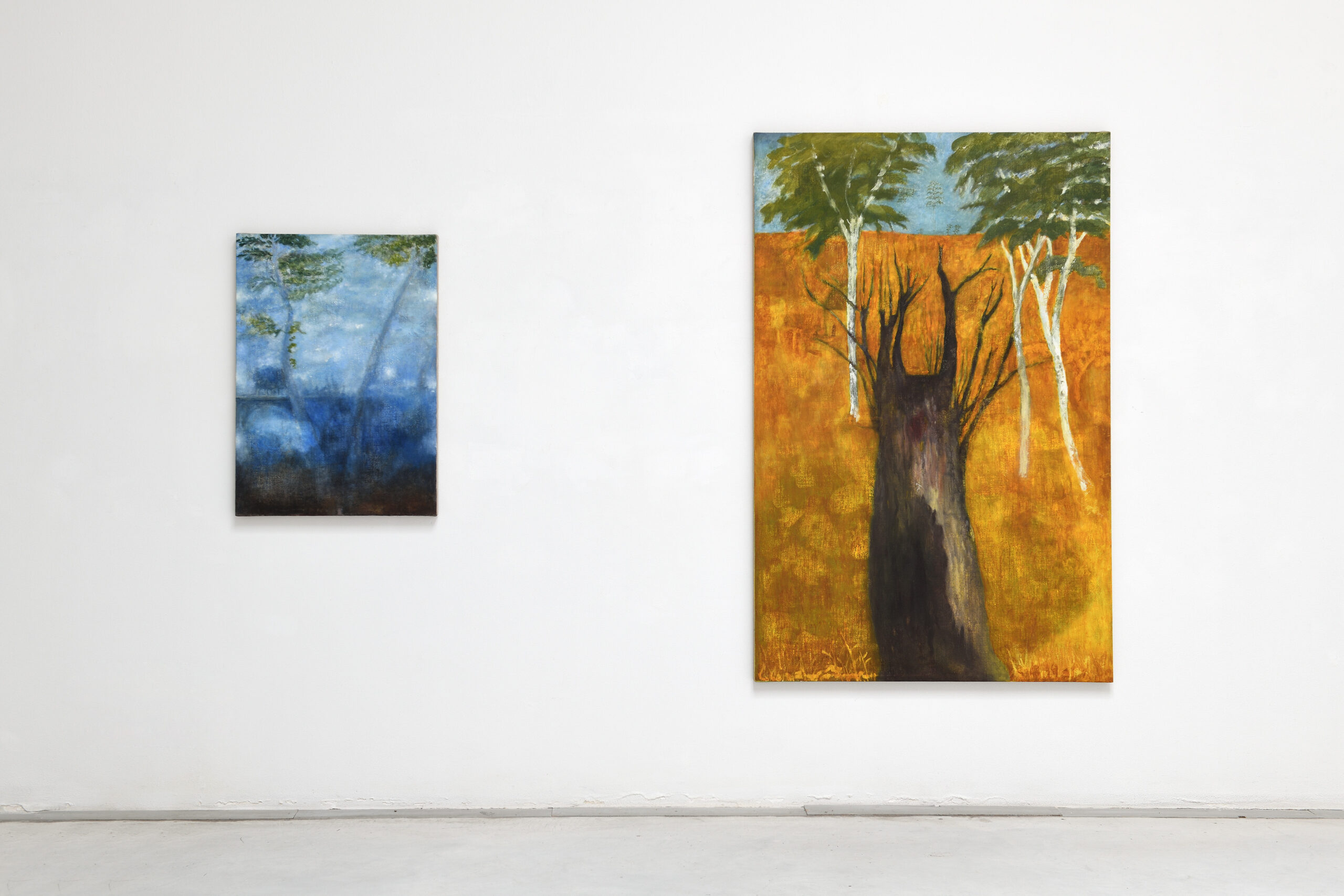
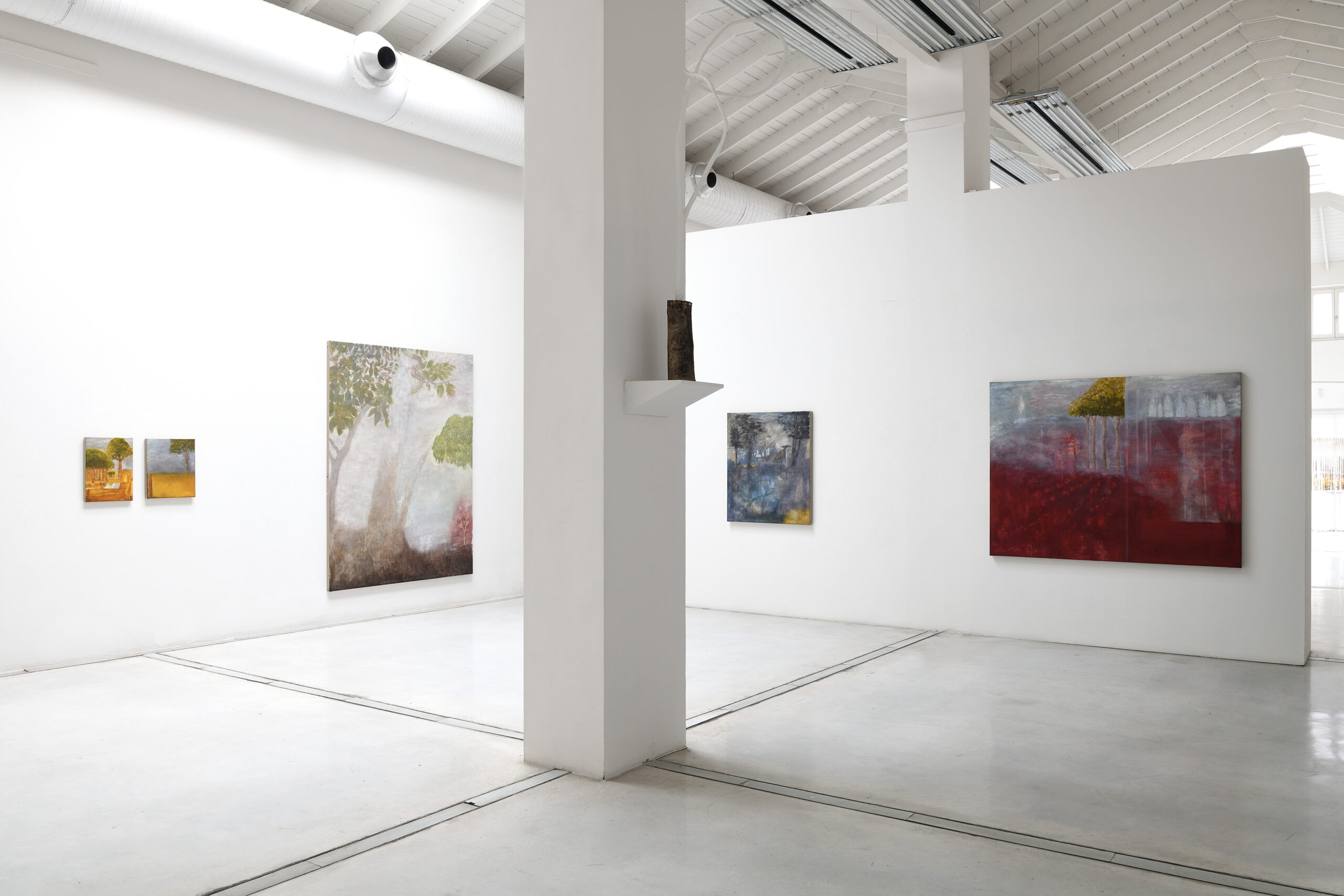
In February 2026, I agreed to a solo exhibition in Verona featuring my new paintings, portraits, and the film Between Hope and Alameda.
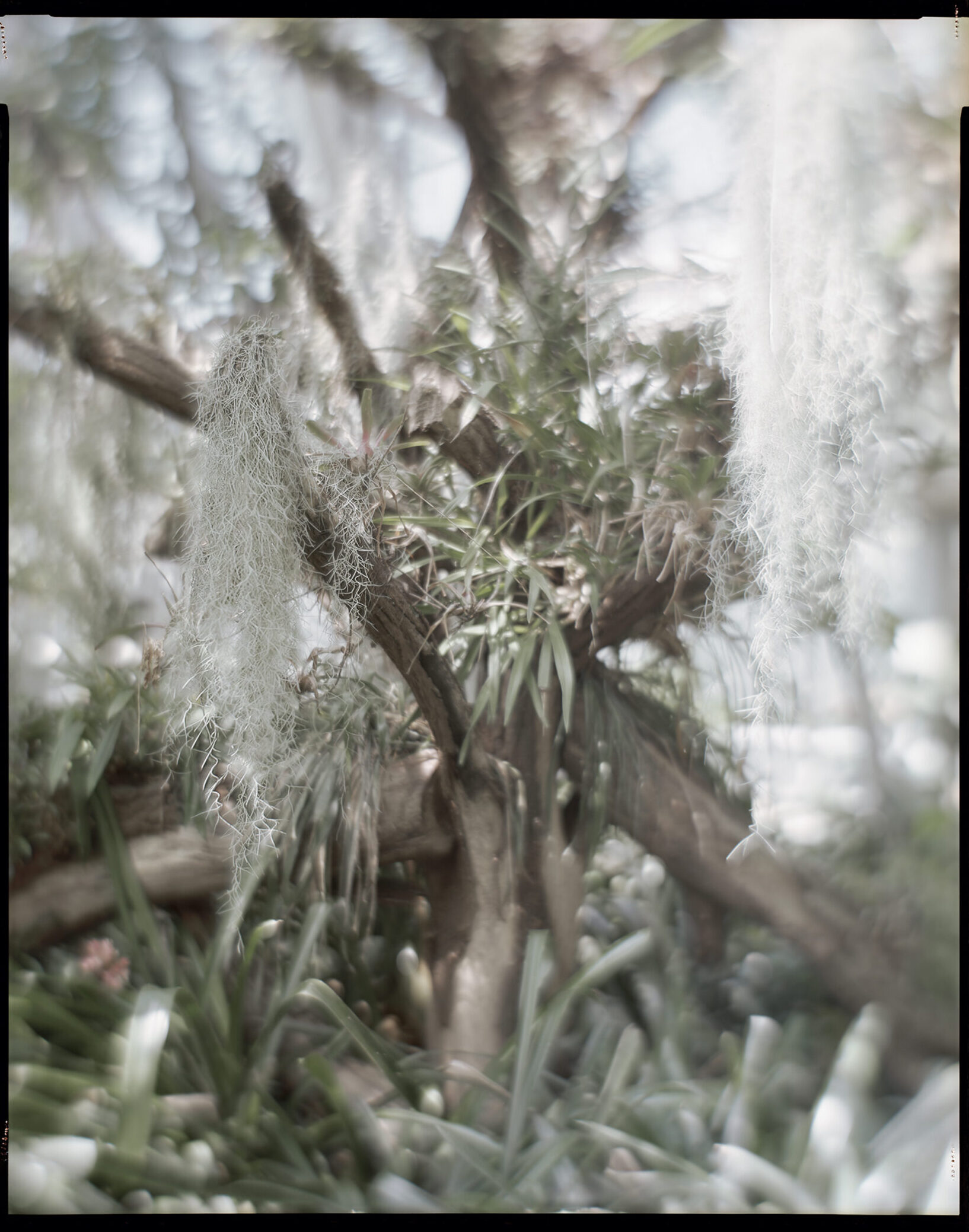
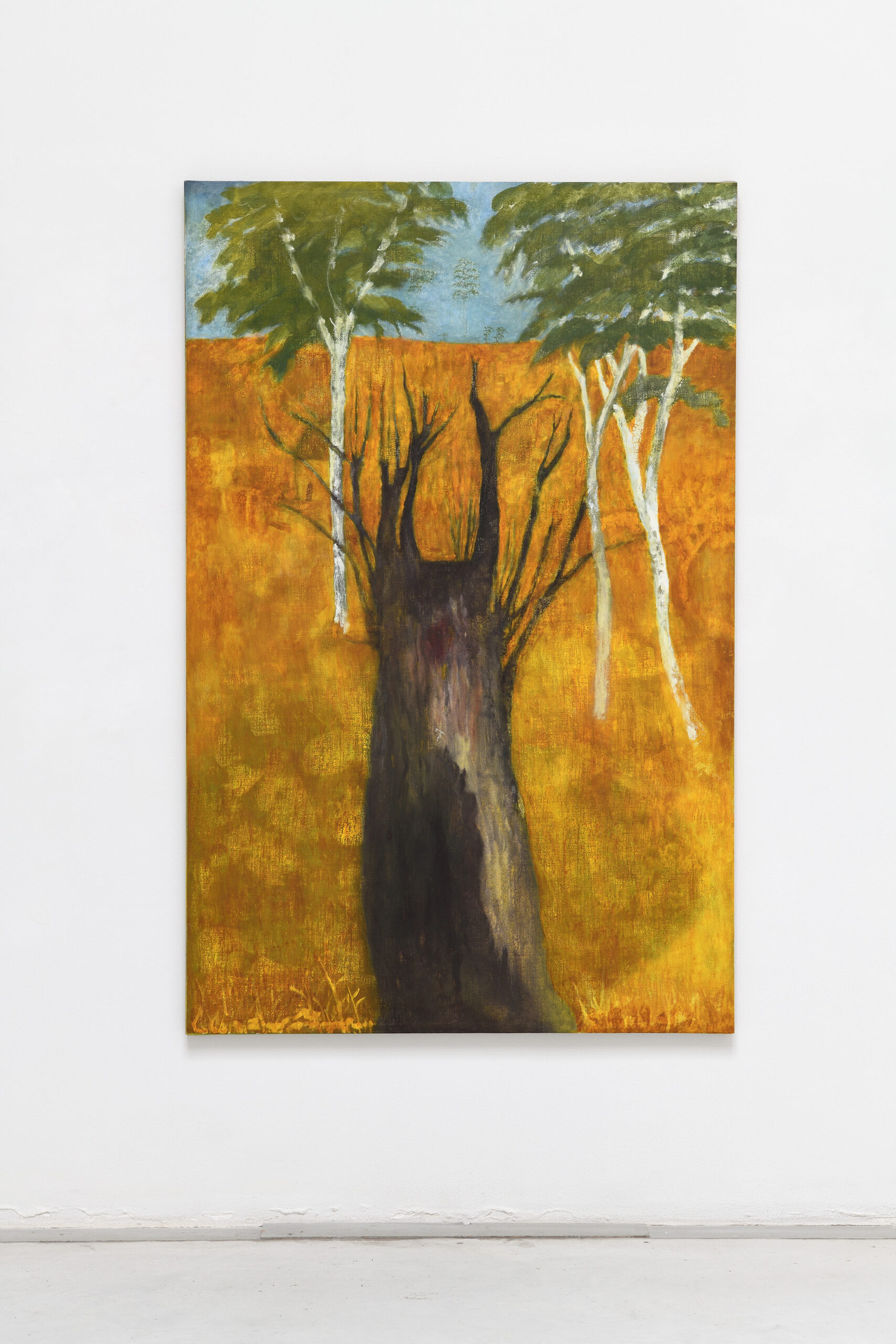
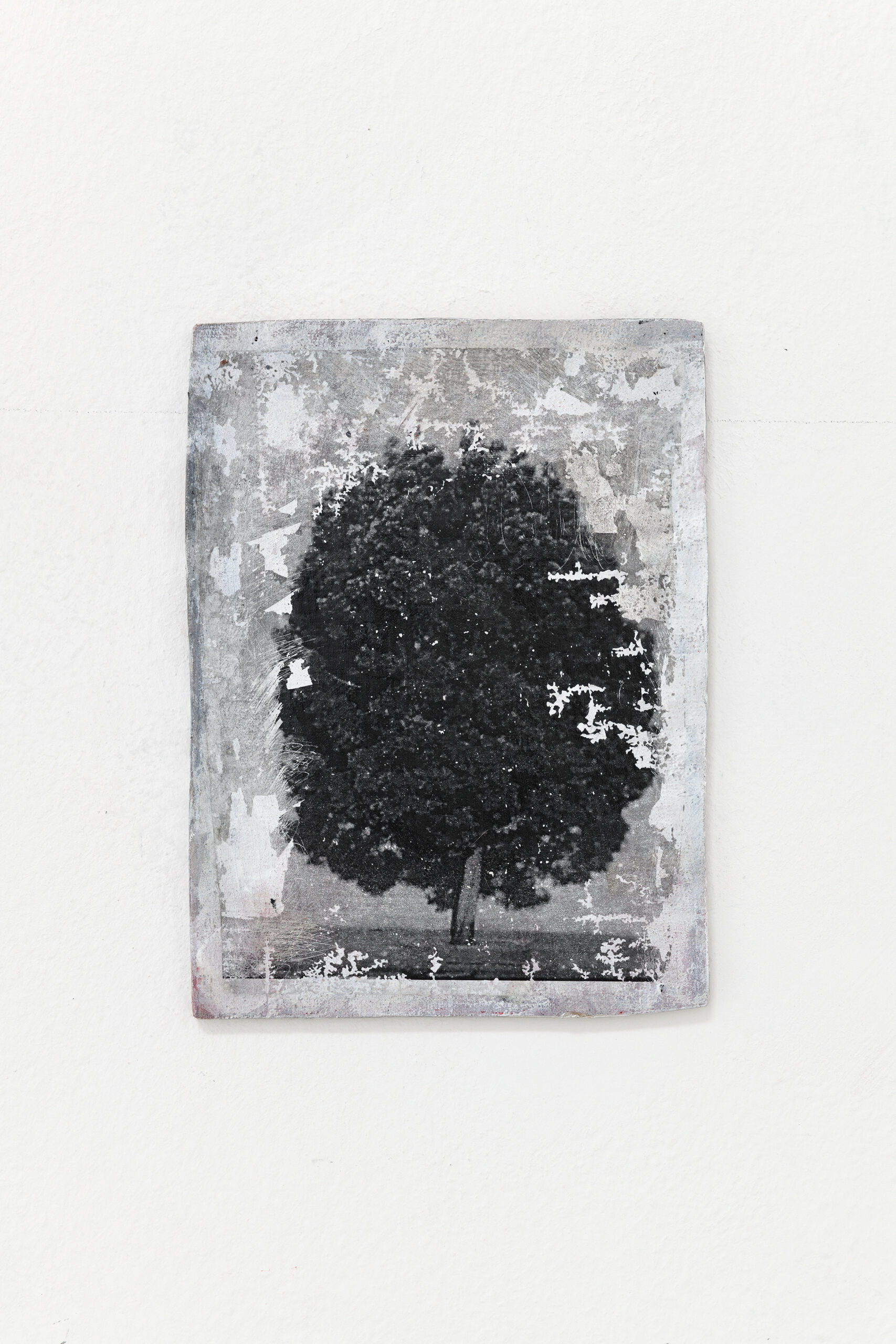
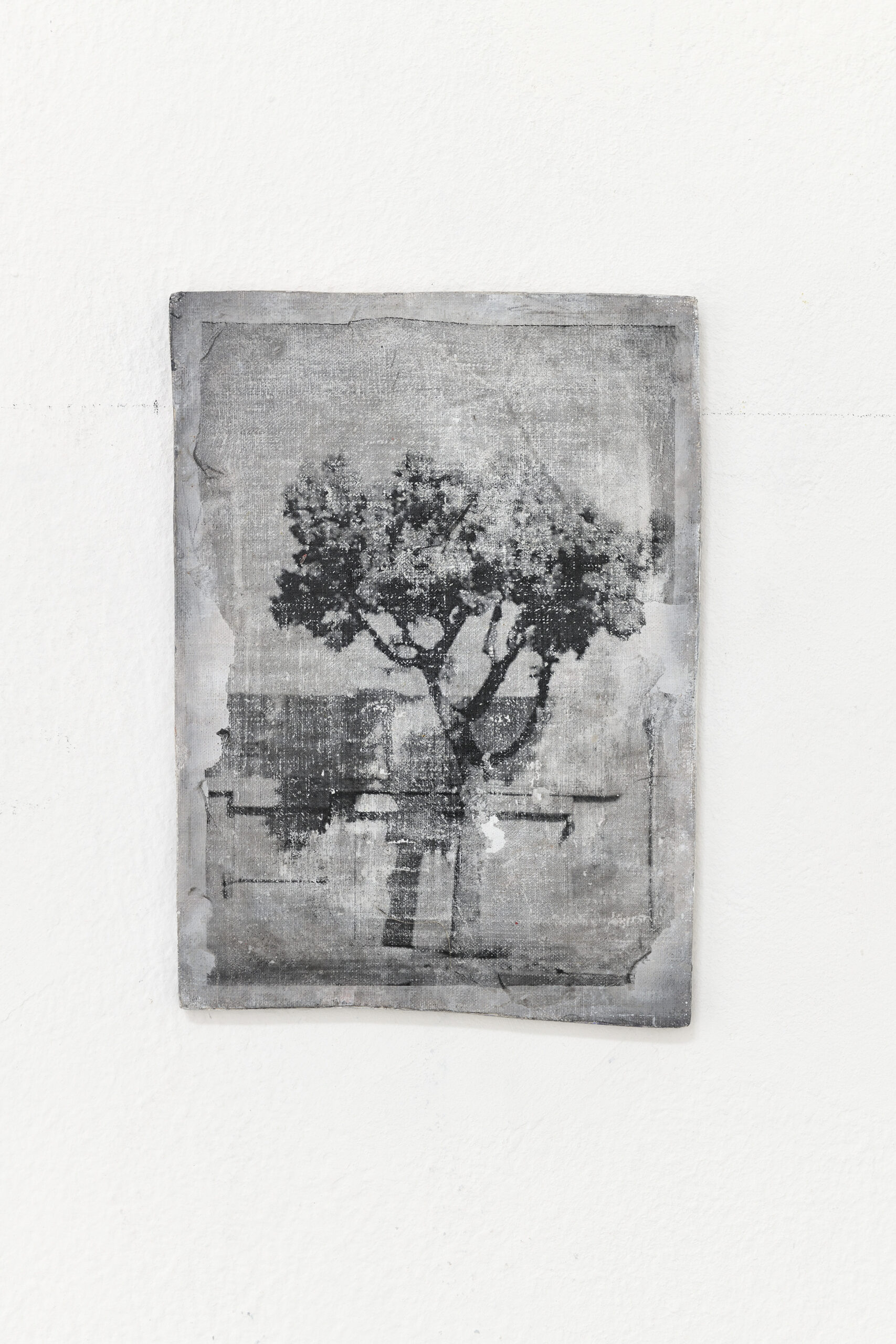
Following a visit to the Prado Museum, where I sketched background trees from historical masterpieces, I decided to turn these background elements into primary subjects.
This project extends my 25-year practice of bringing marginalized trees to the forefront, treating them as “stars” to subvert traditional perspective and restore their dignity.
Lucas Reiner, 2026
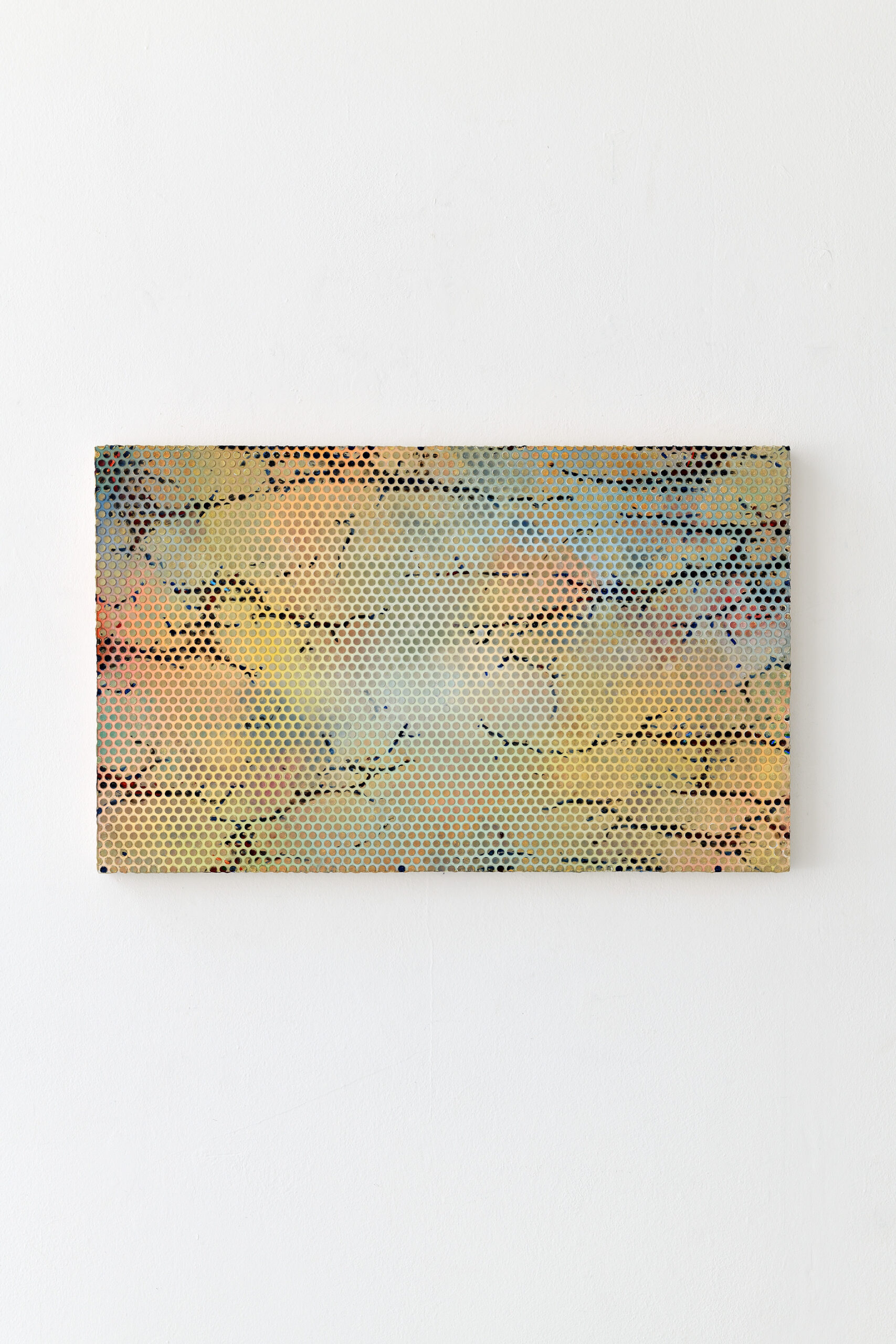
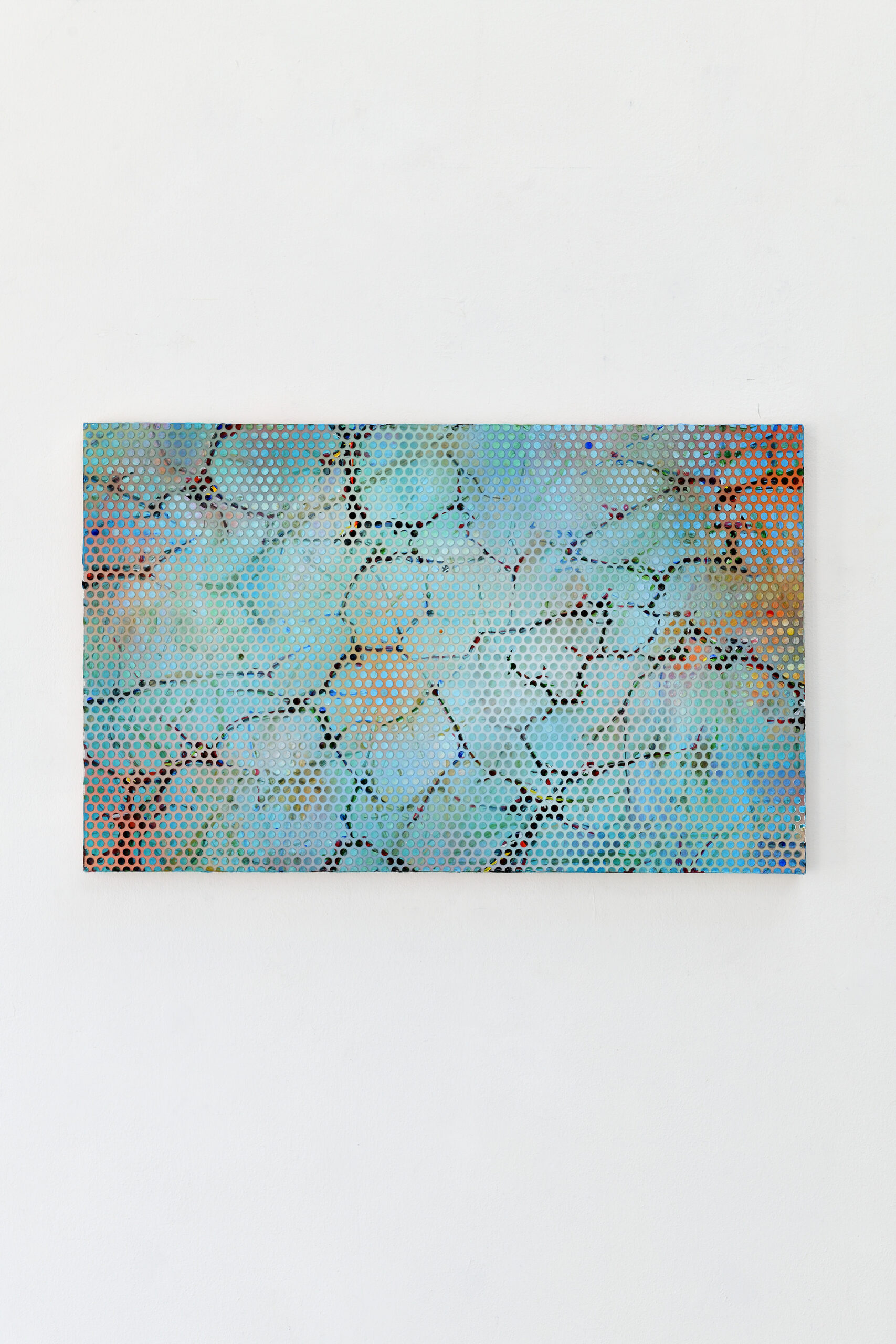
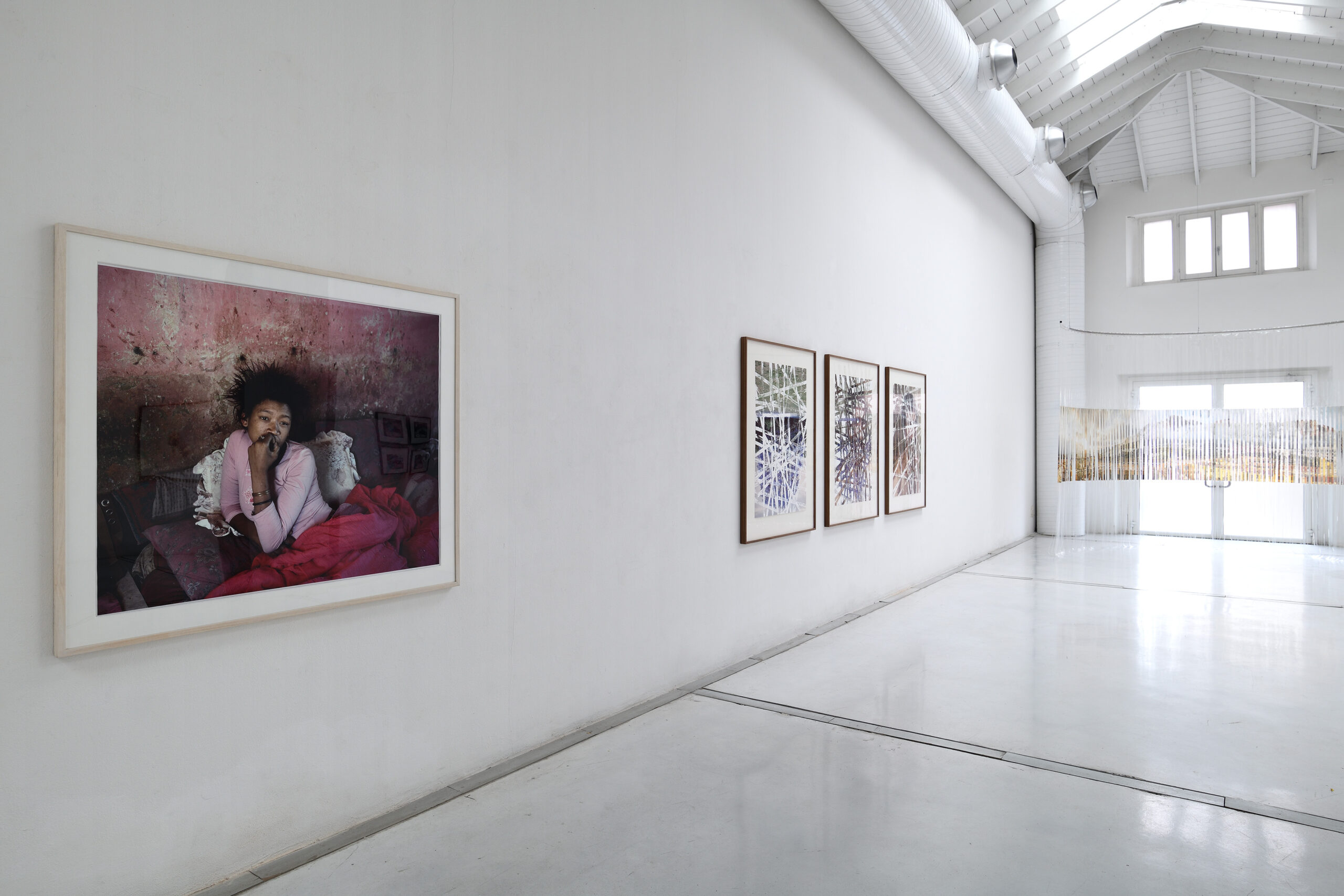
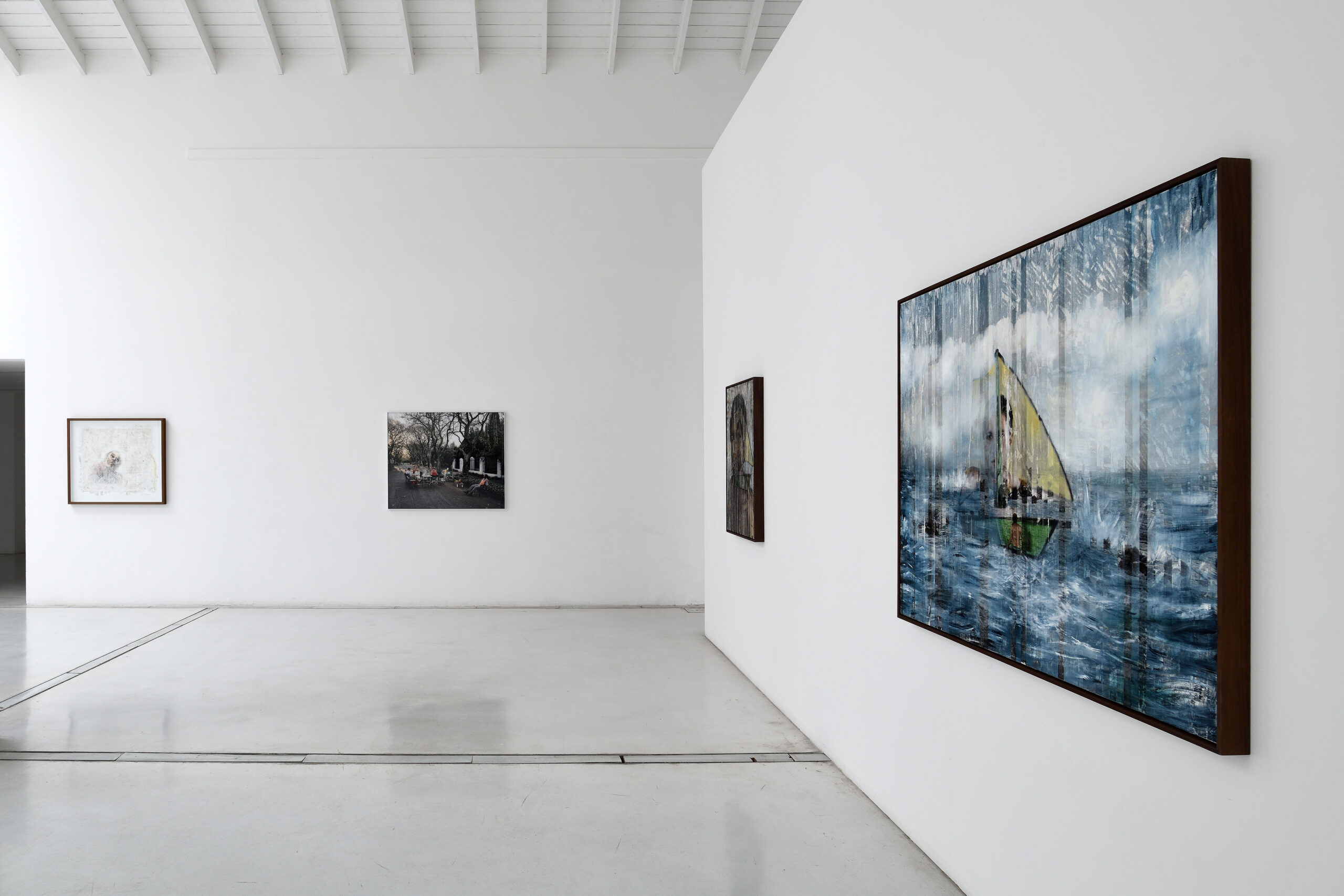
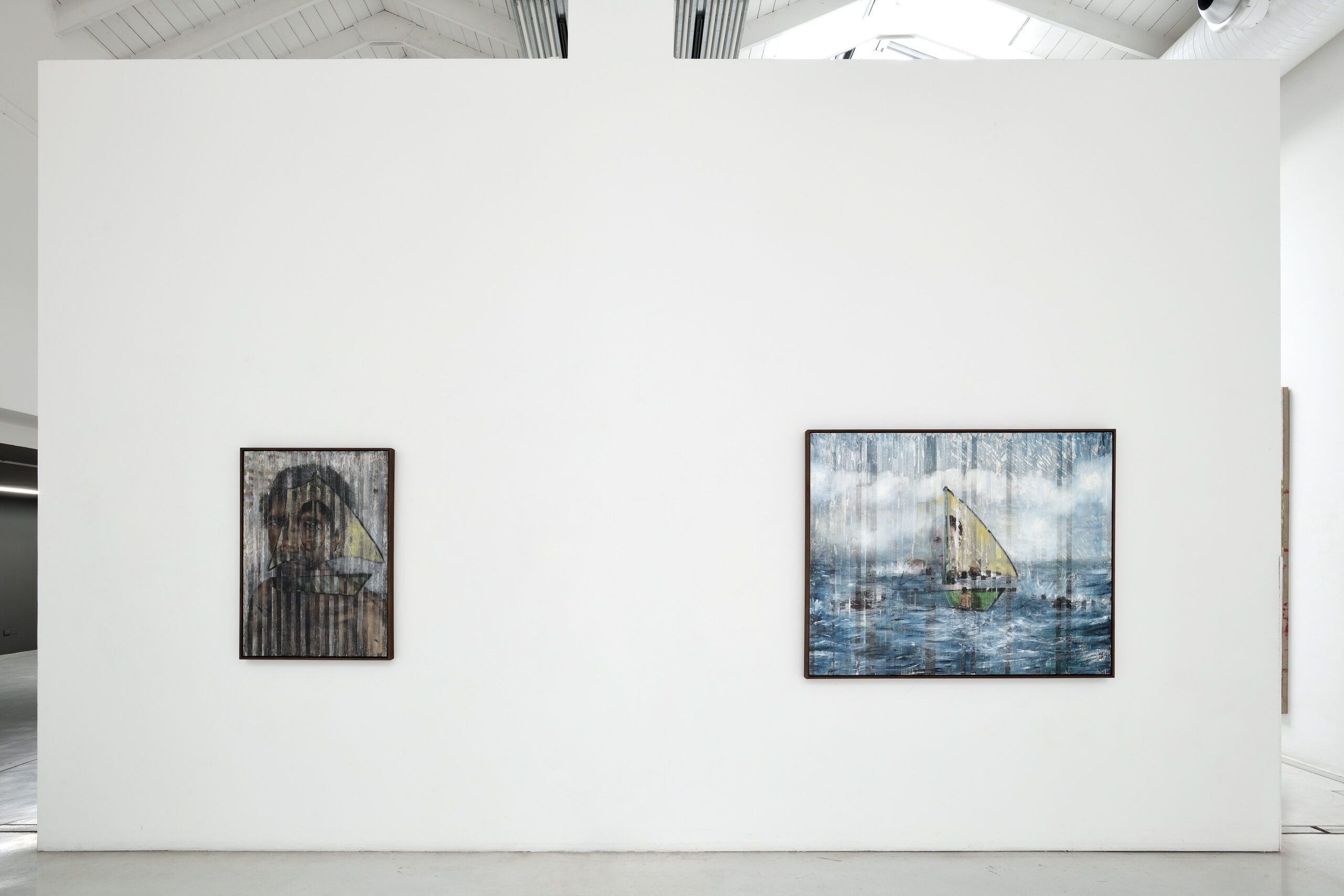
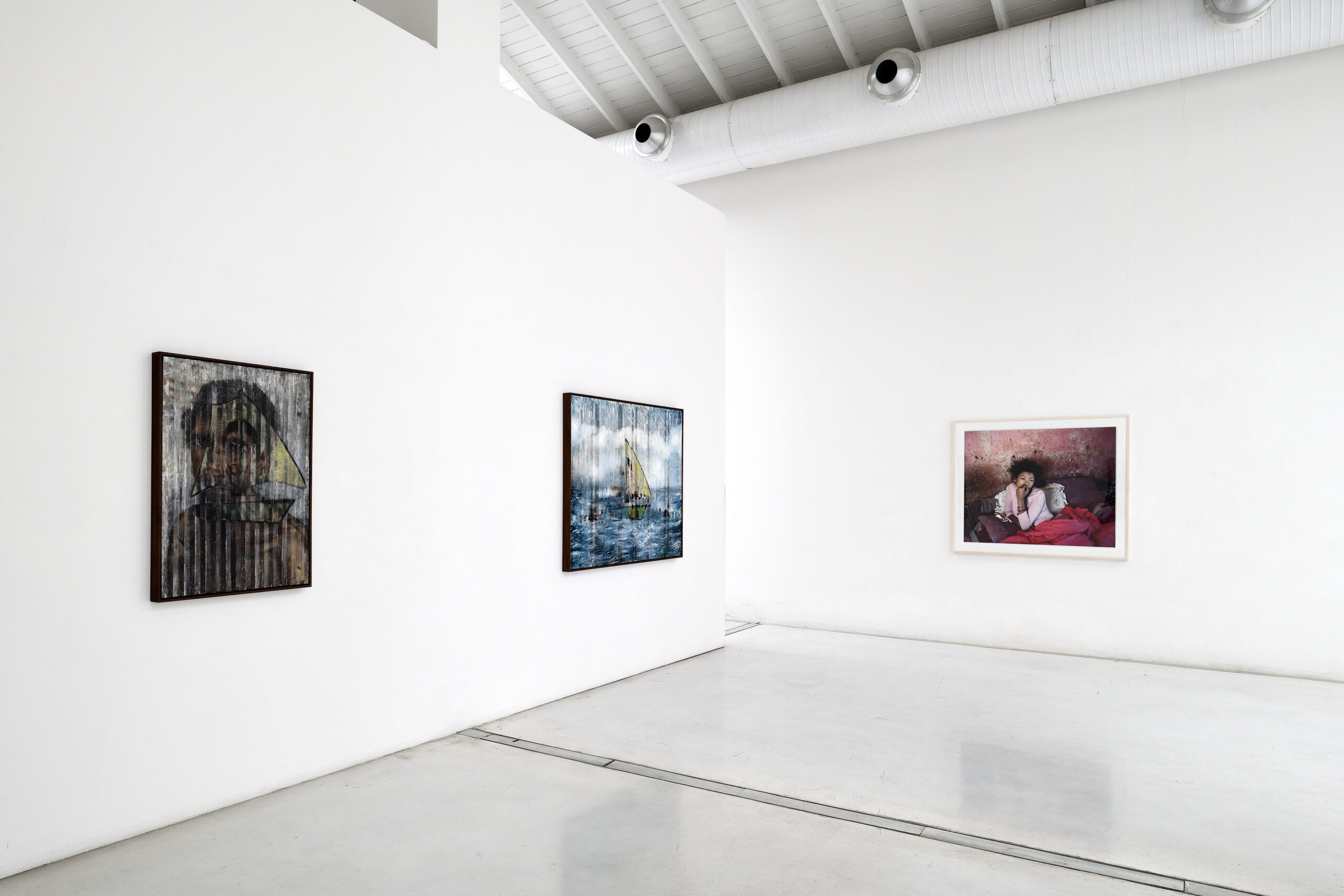
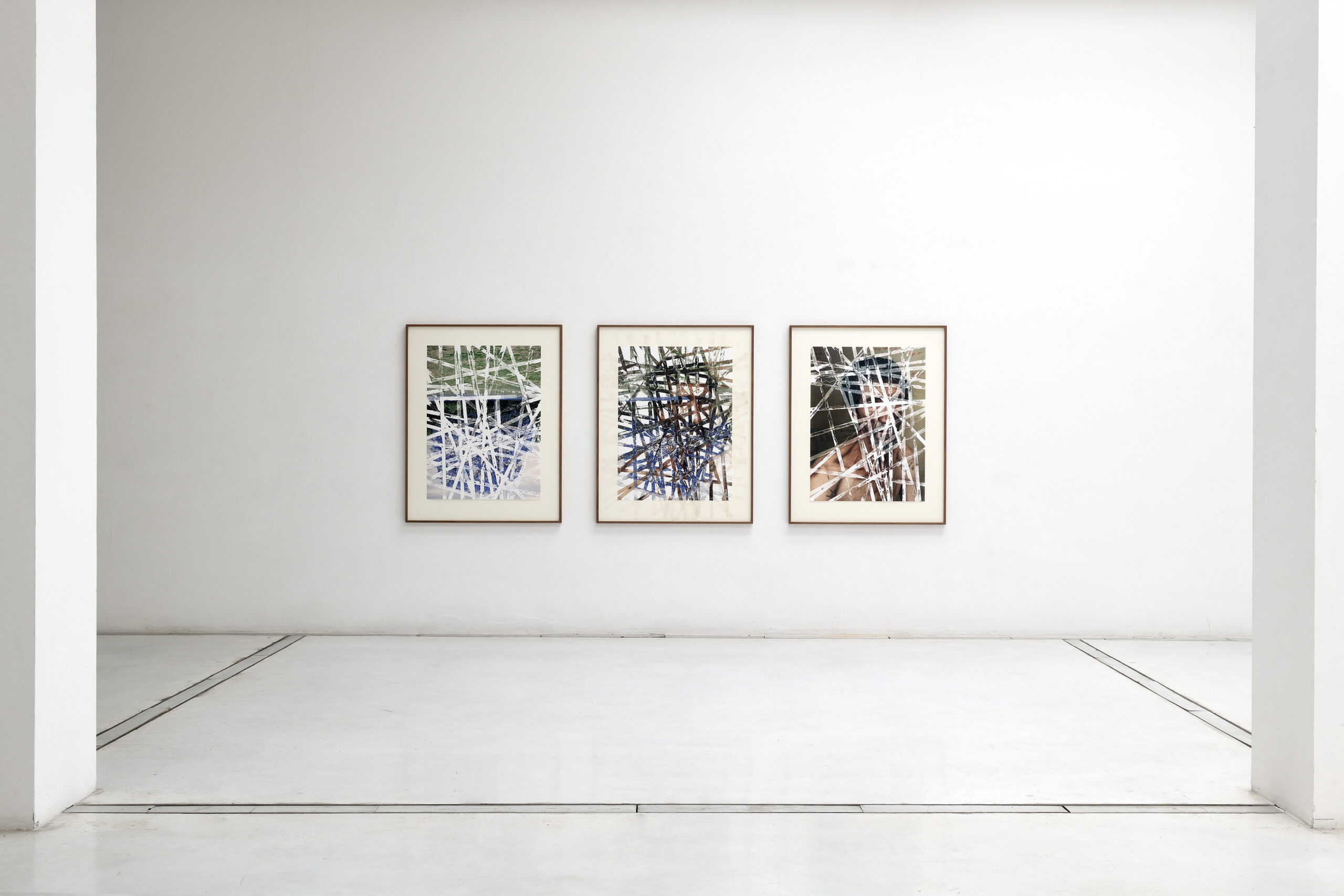
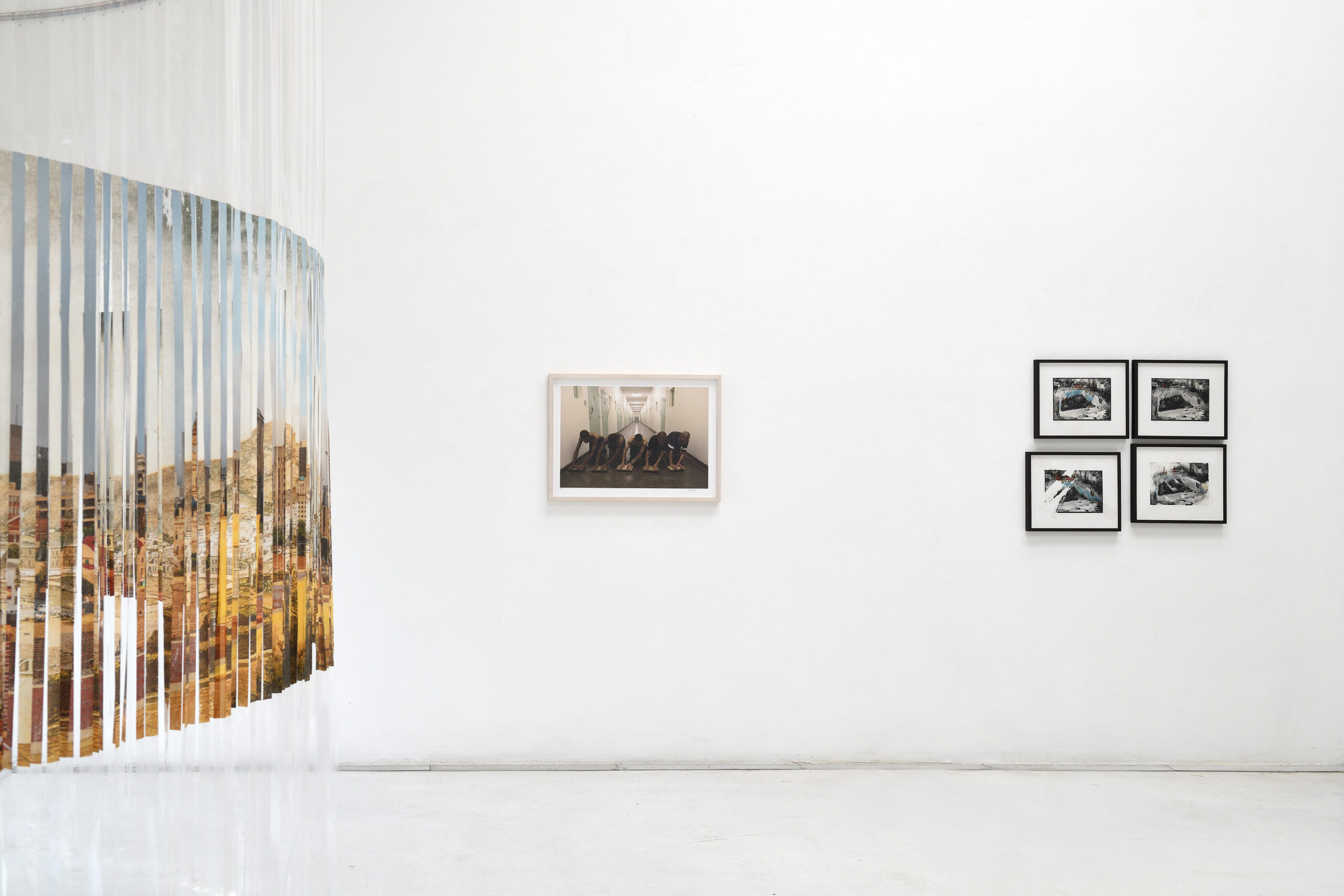
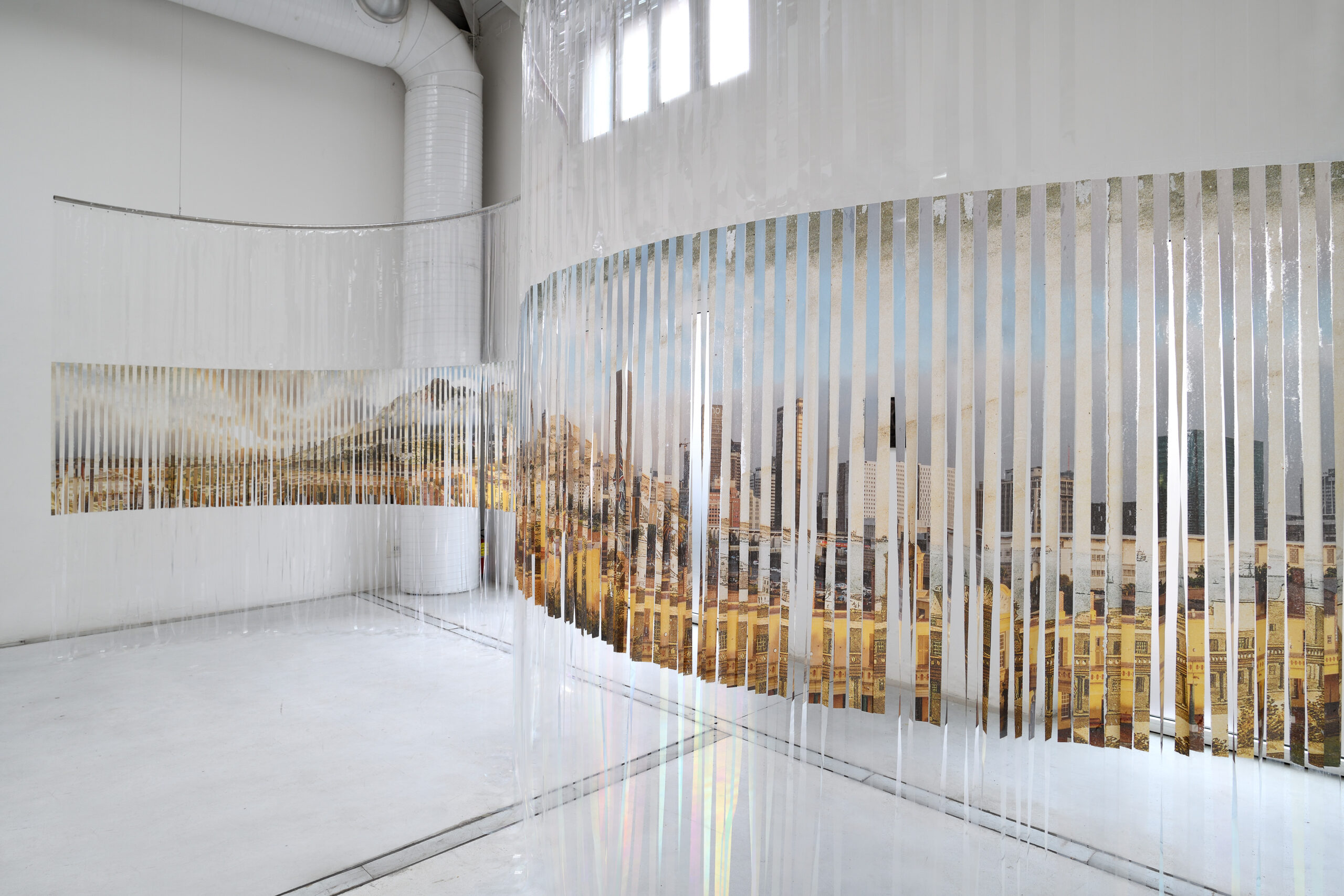
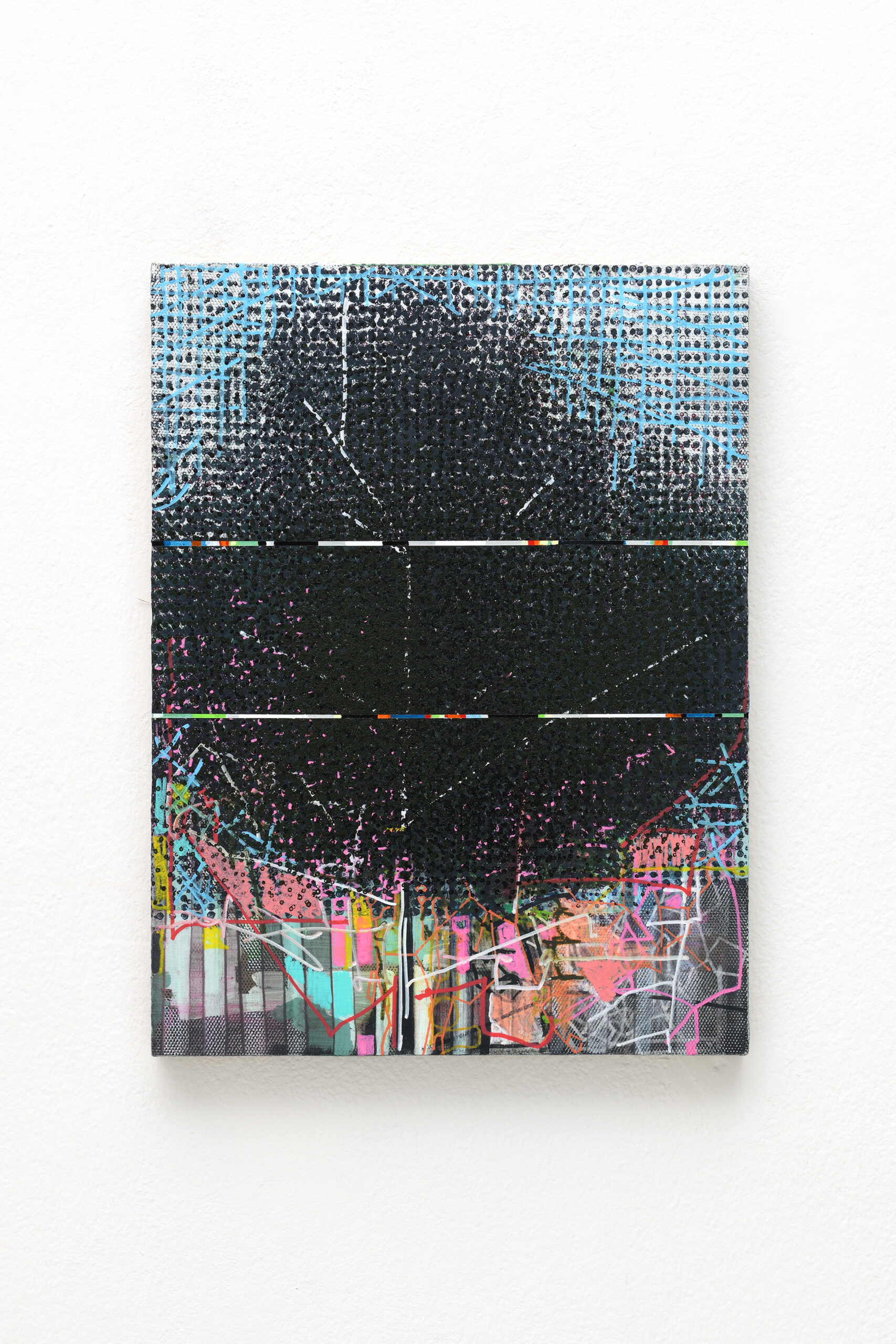
Mikhael Subotzky’s practice critically investigates contemporary South Africa’s socio-political narratives and the politics of representation.
Through photography, film, and his “Sticky Tape Transfer” technique, he deconstructs images to expose continuities between colonial history and present-day marginalization.
His work intertwines intimate reflection with social critique, using visual fractures as metaphors for collective inequalities.
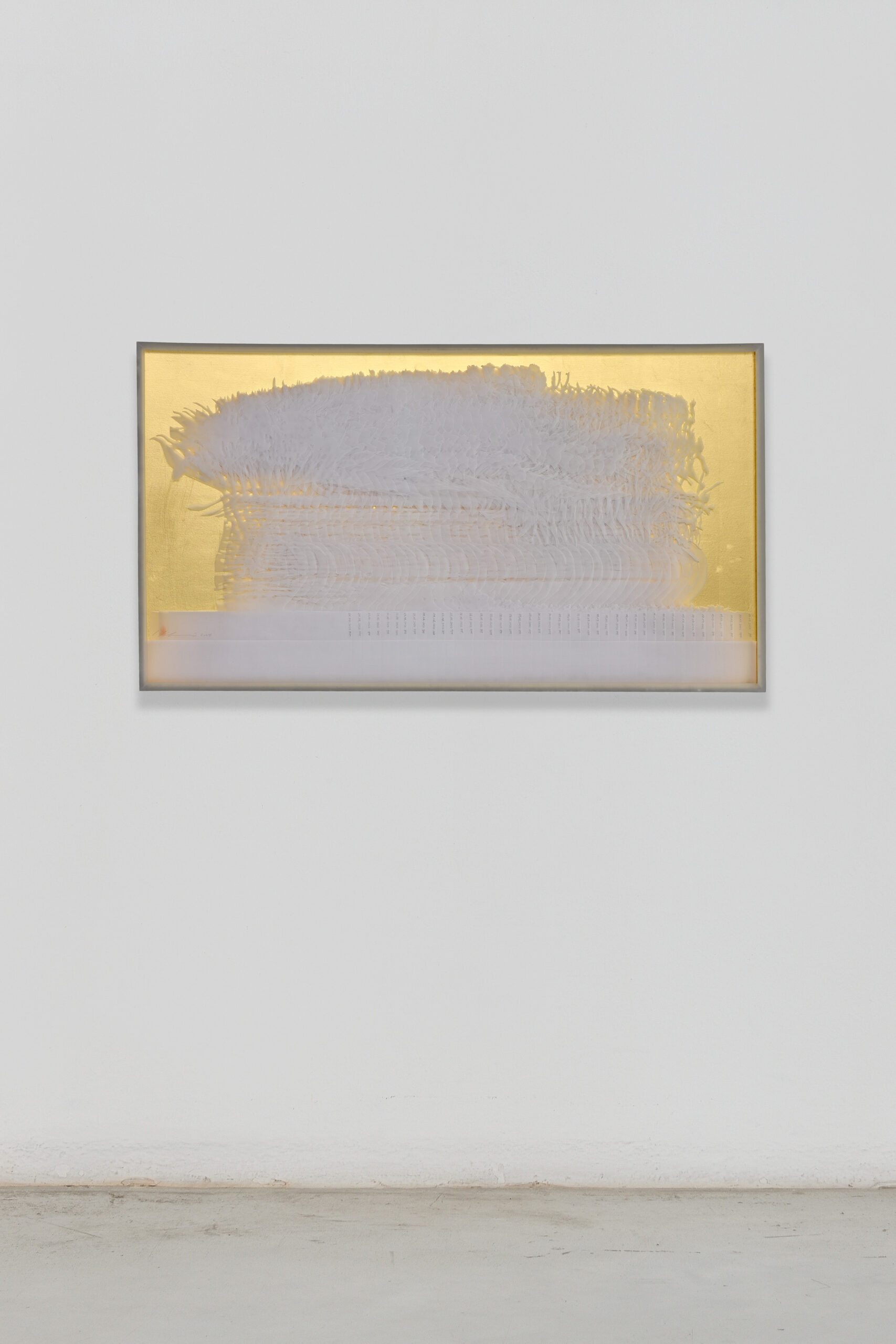
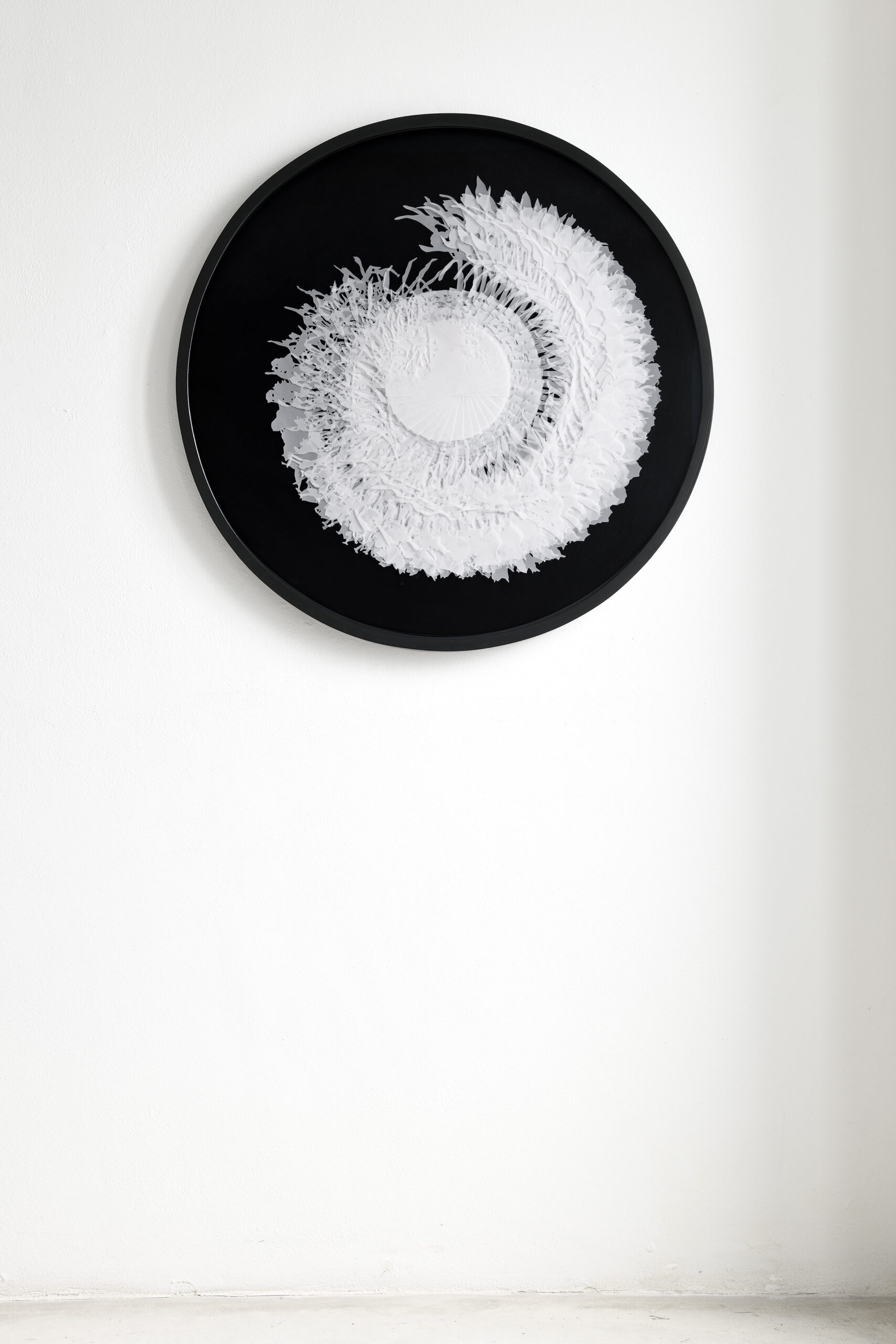
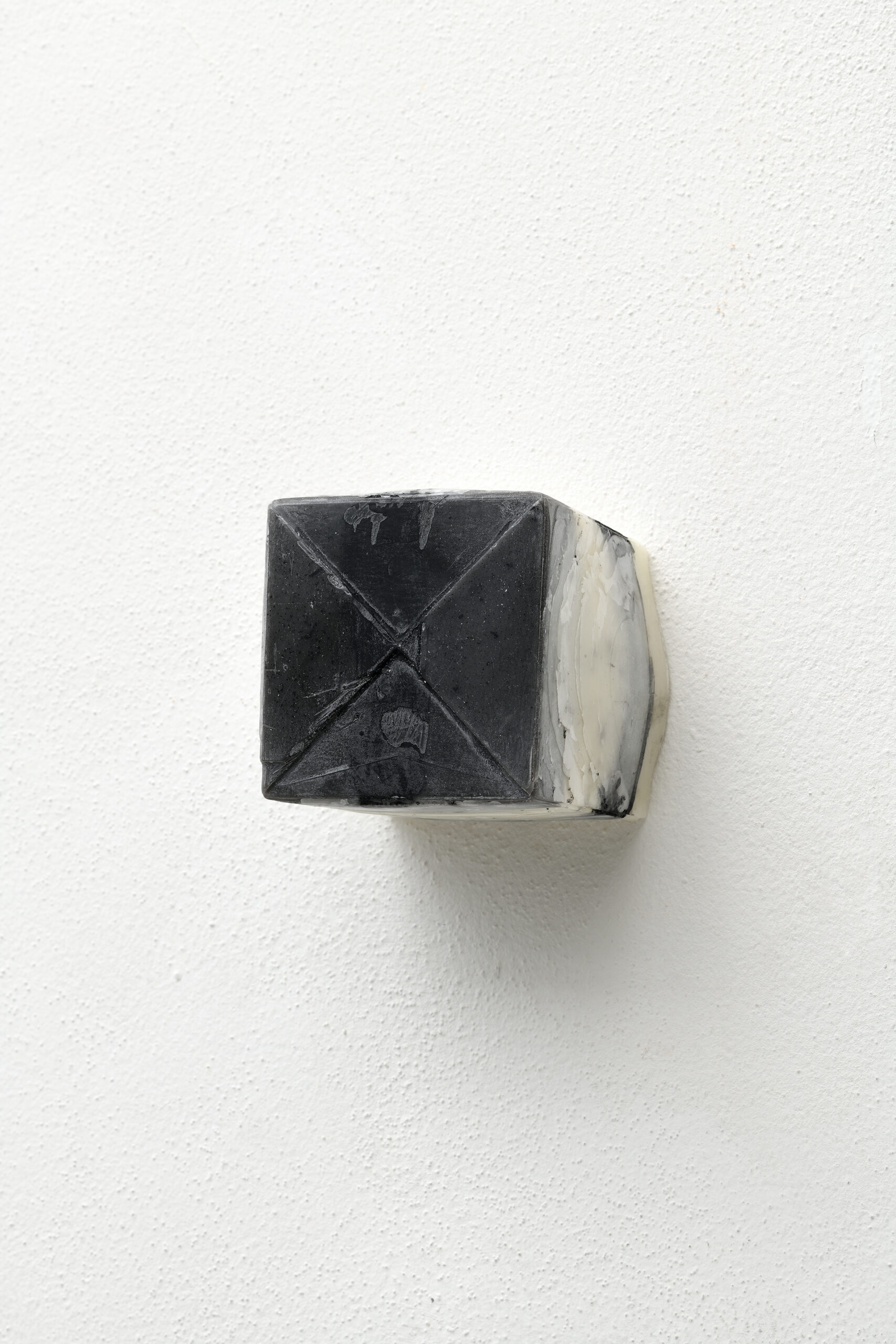
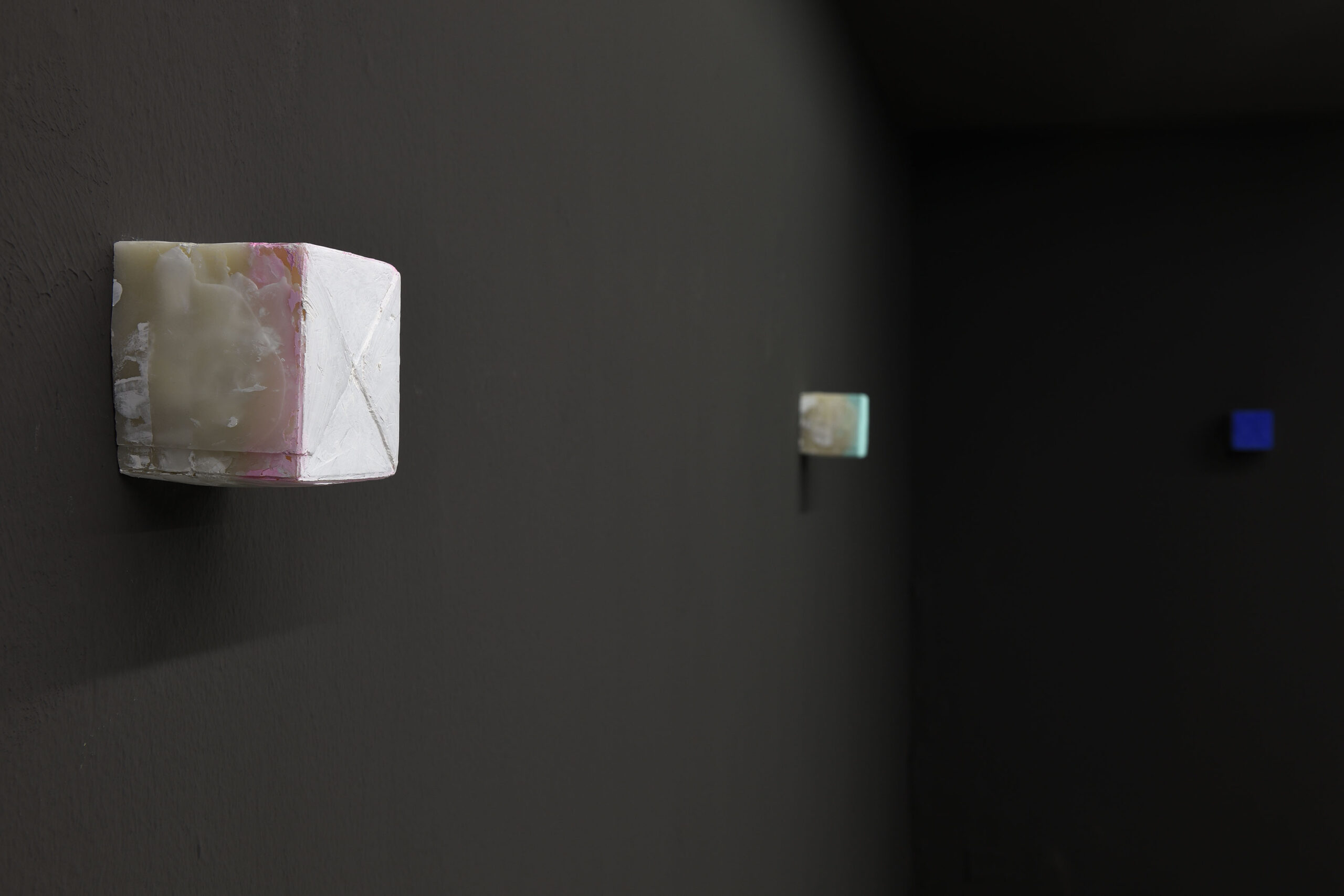
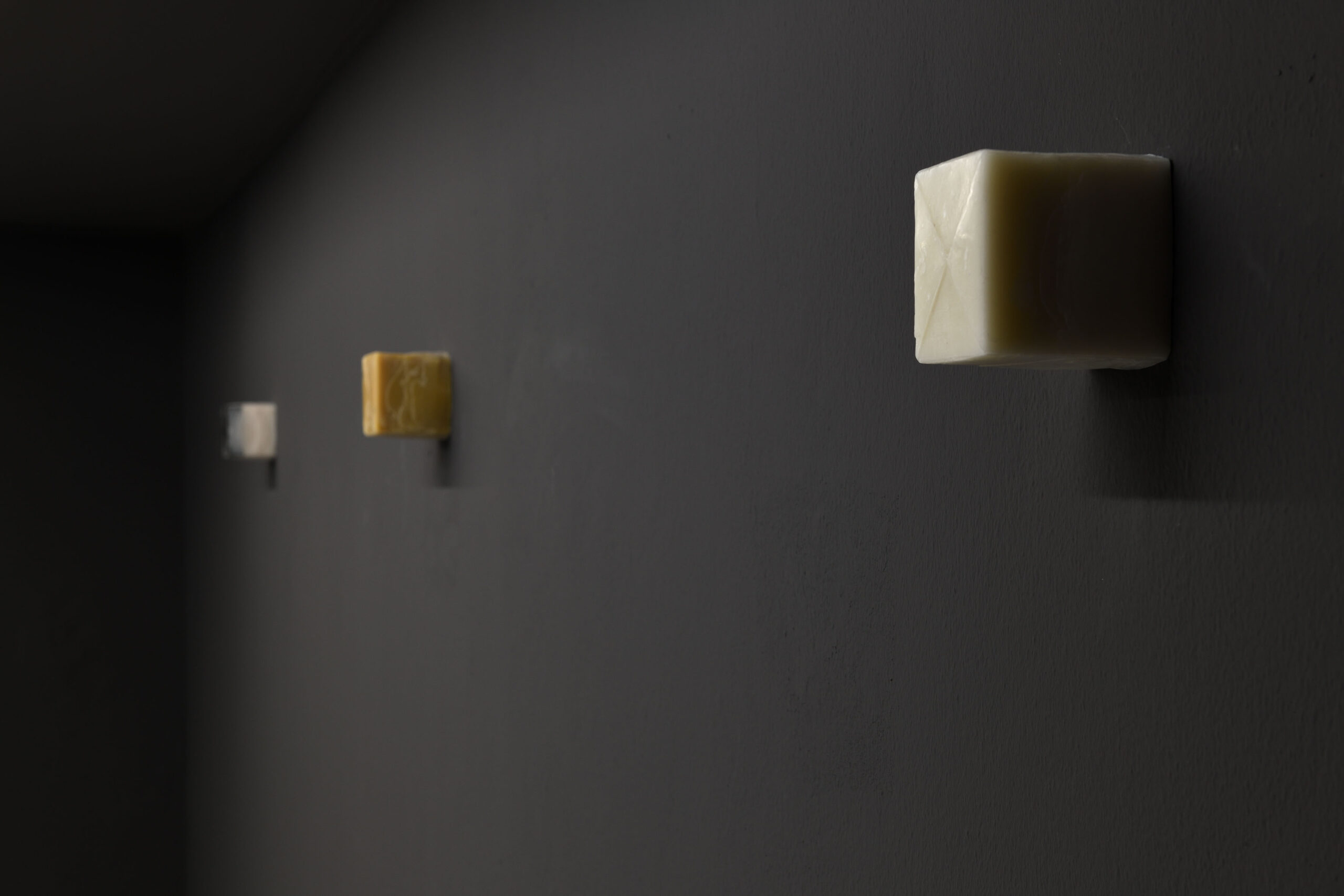
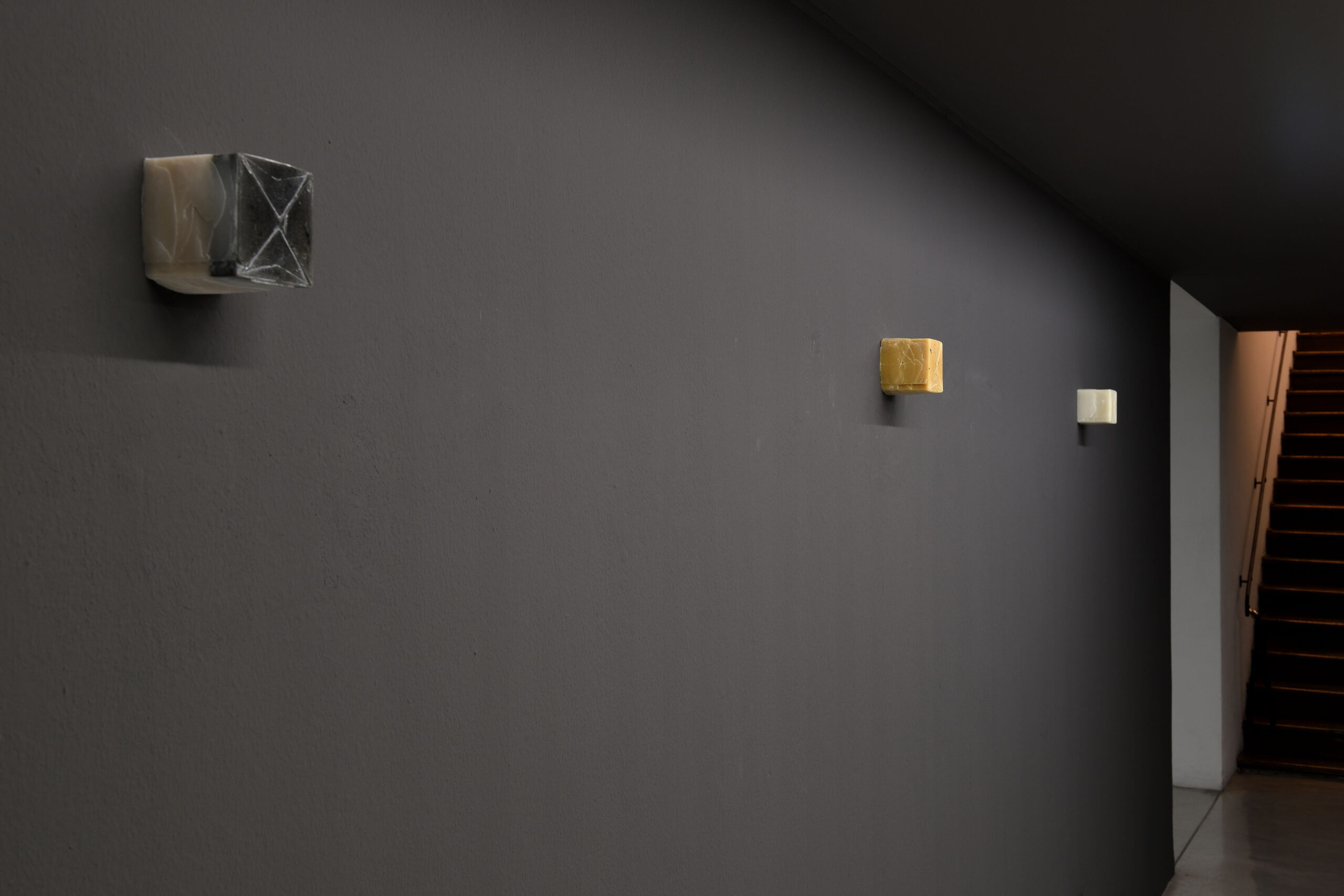
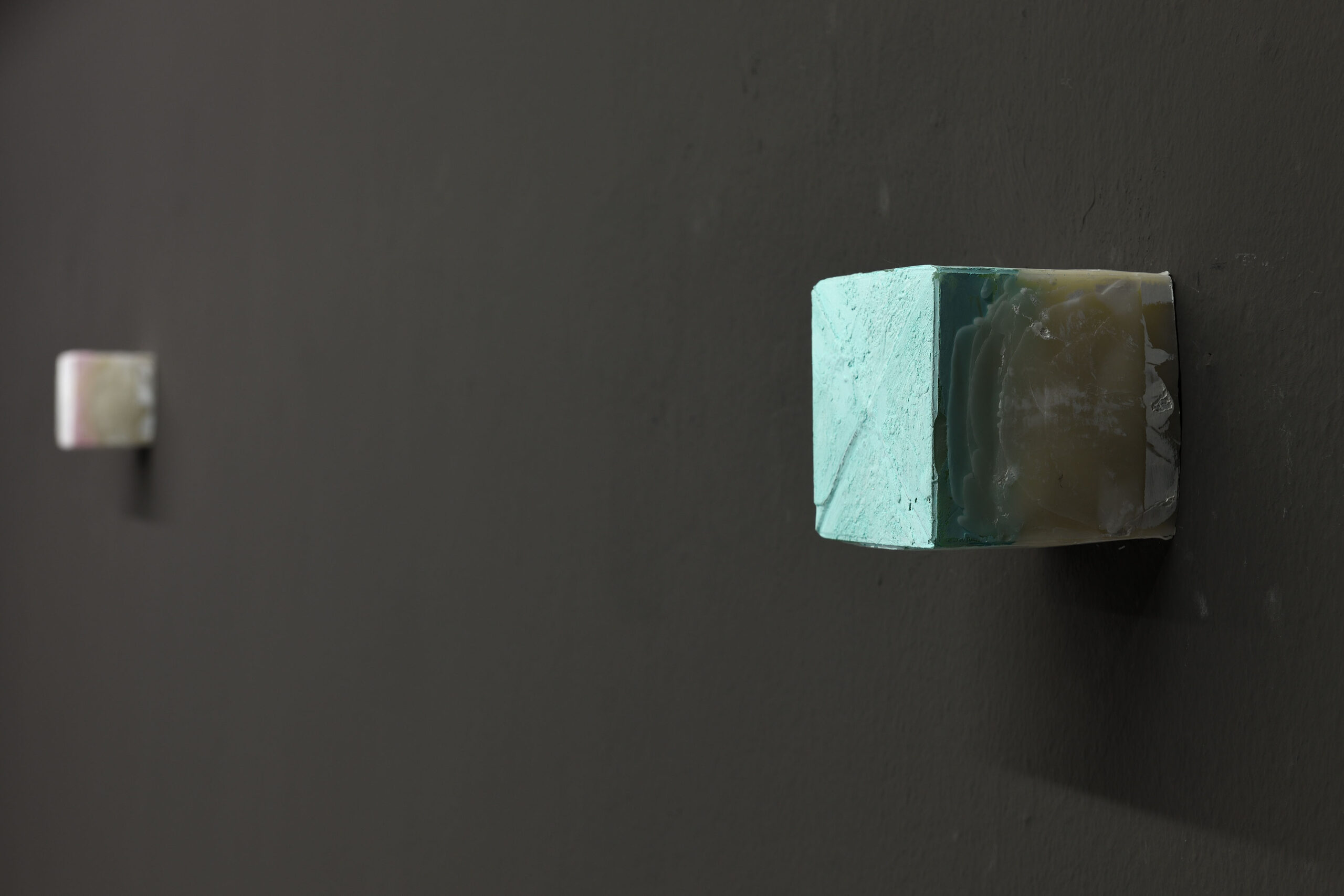
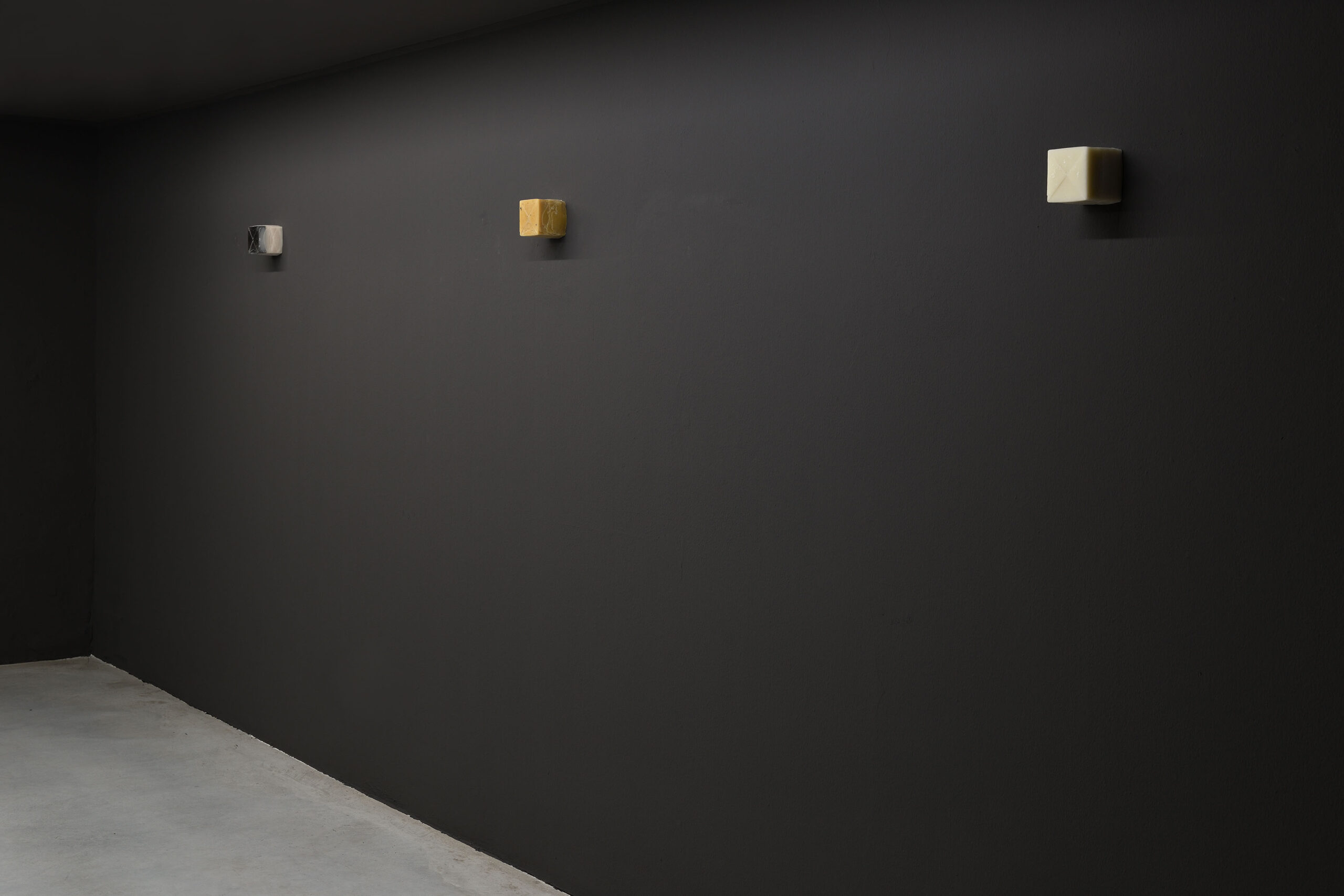
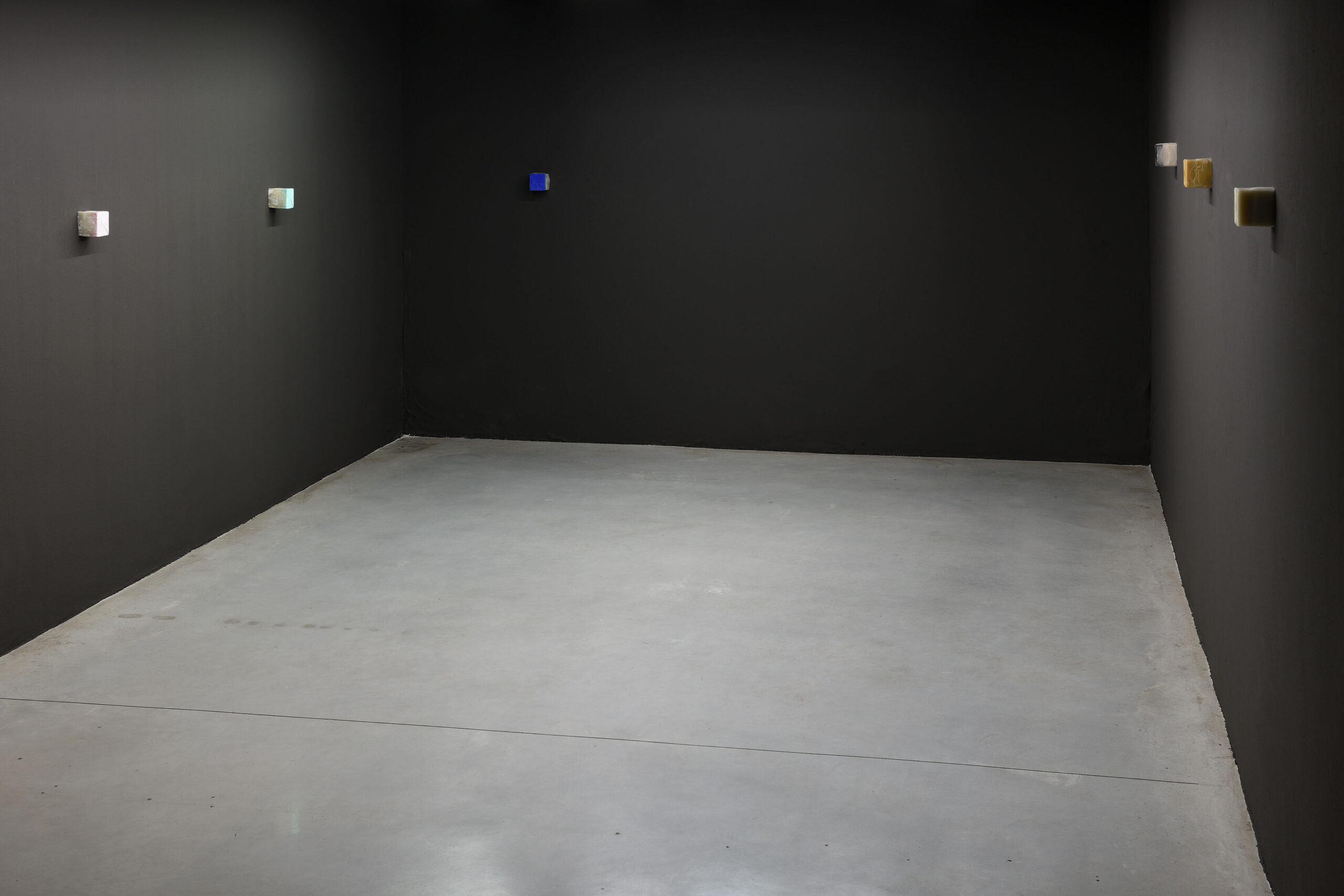
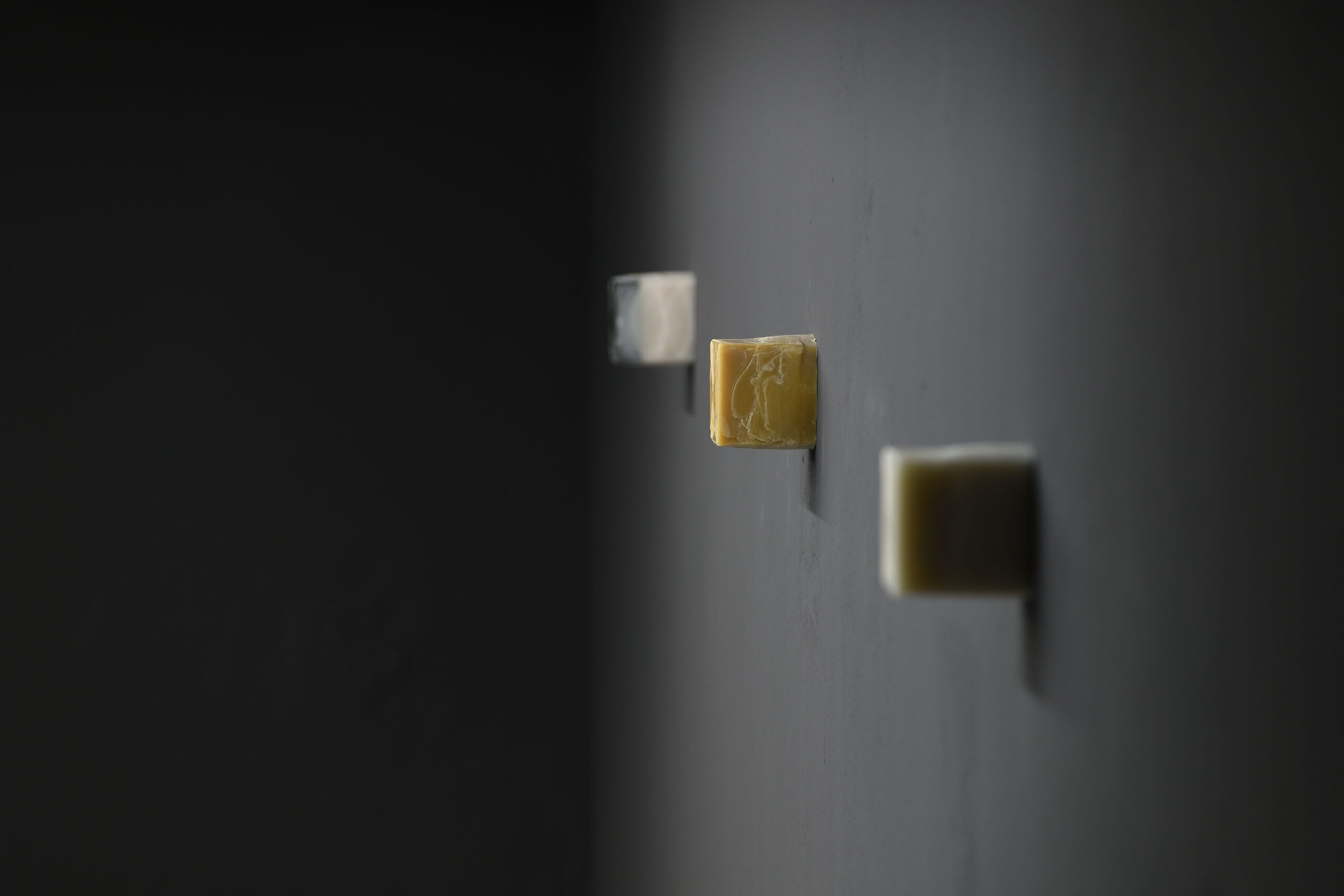
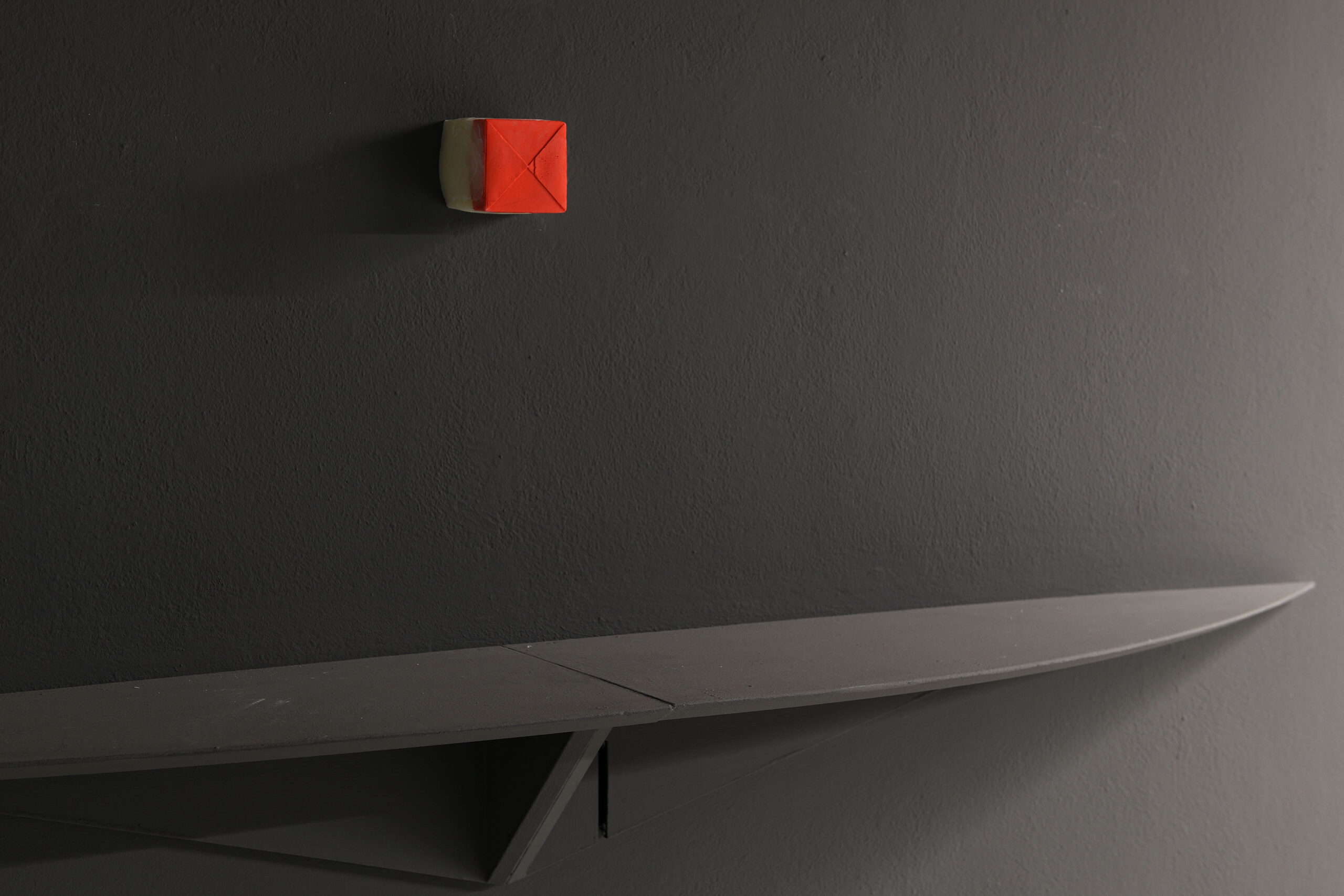
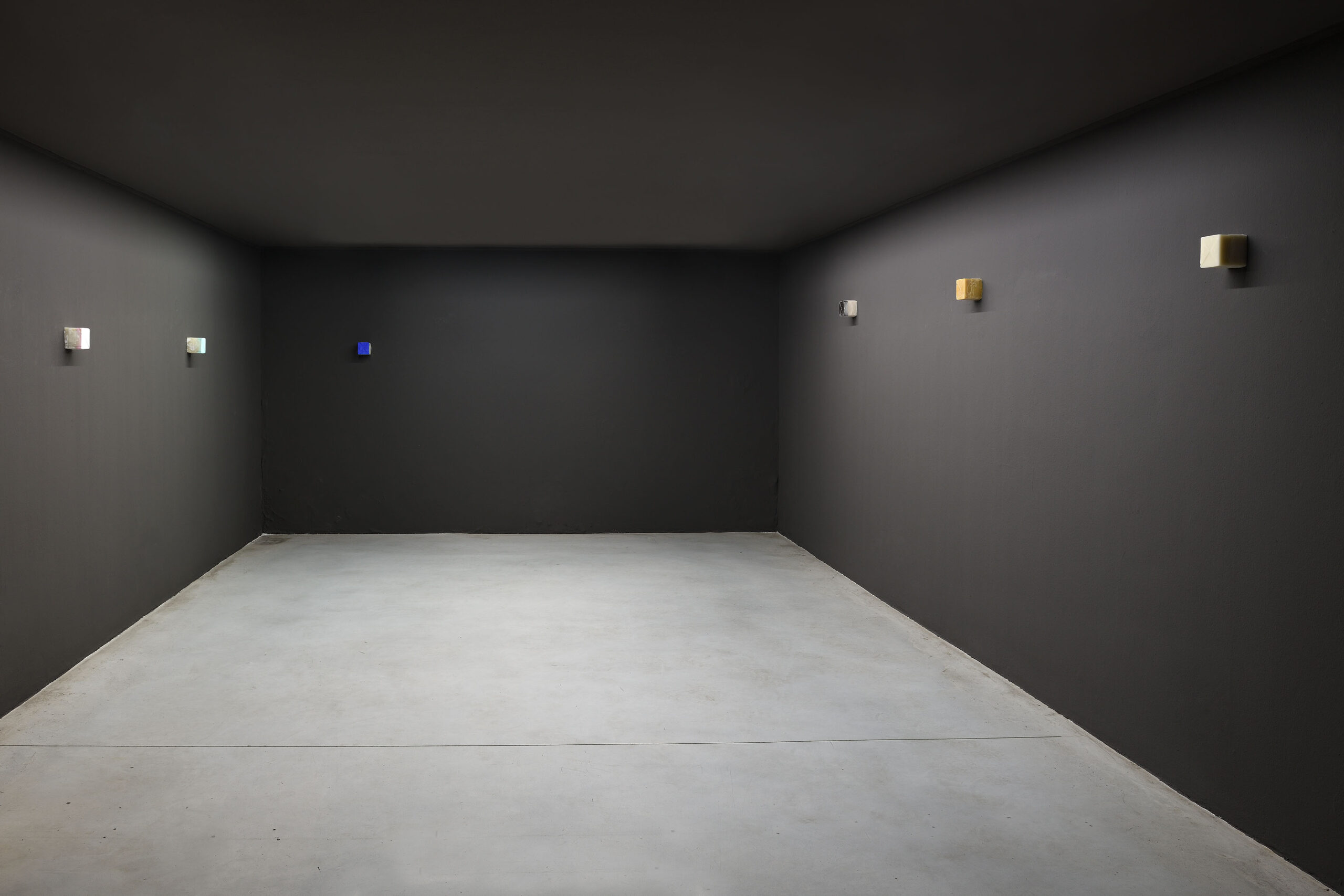
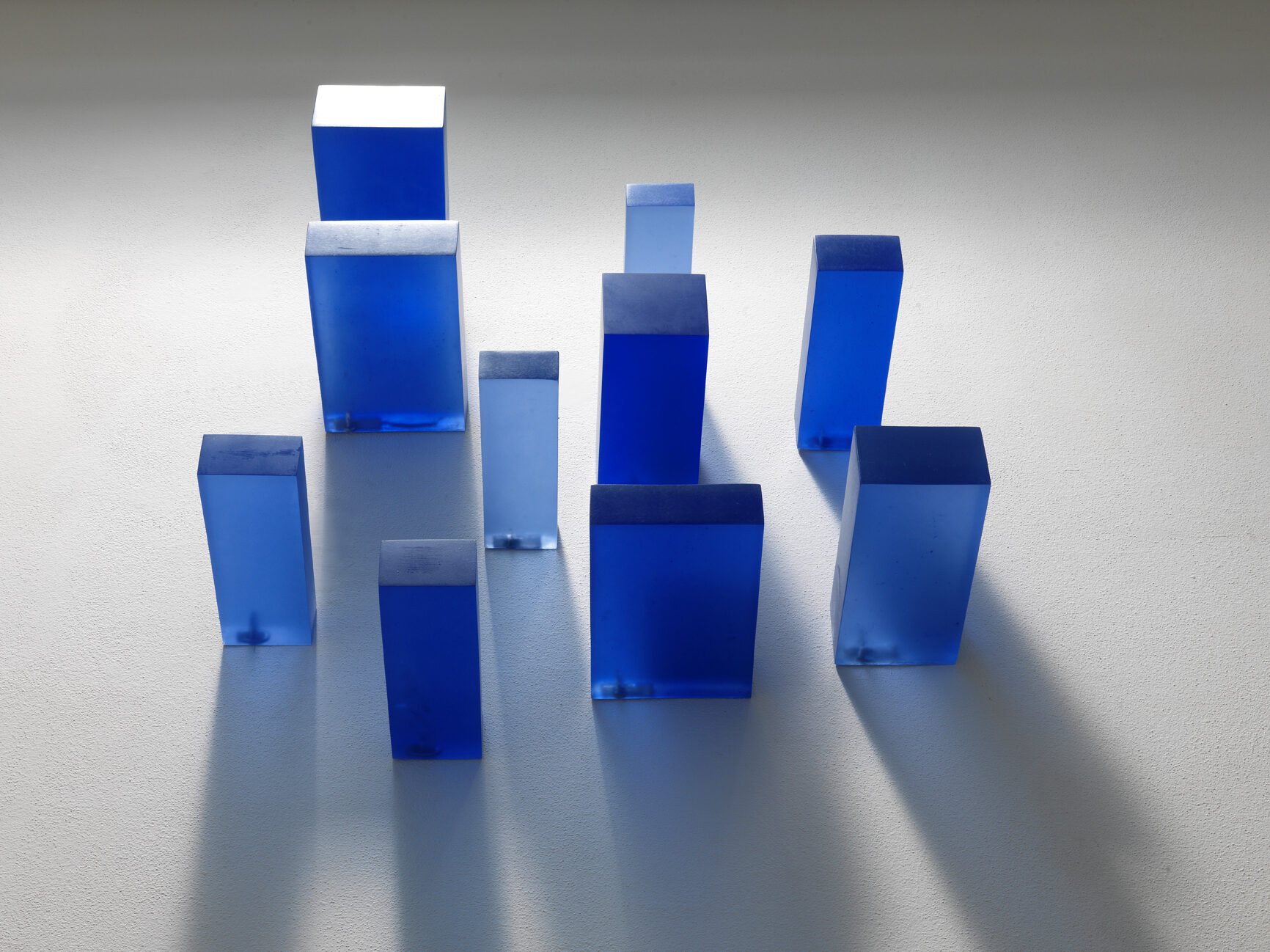
An evolution of the “P.D.F.” series, the “SERIE X” was initially inspired by the sculptures of Medardo Rosso and marks my return to wax.
Starting with geometric, monochrome blocks, I then incorporated colour both in the casting and on the surface, indulging my nature as a painter.
The ultimate aim of these works is to offer a space of suspension and respite, activating an energetic exchange that conveys calm, regeneration and wholeness.
Stuart Arends, 2026
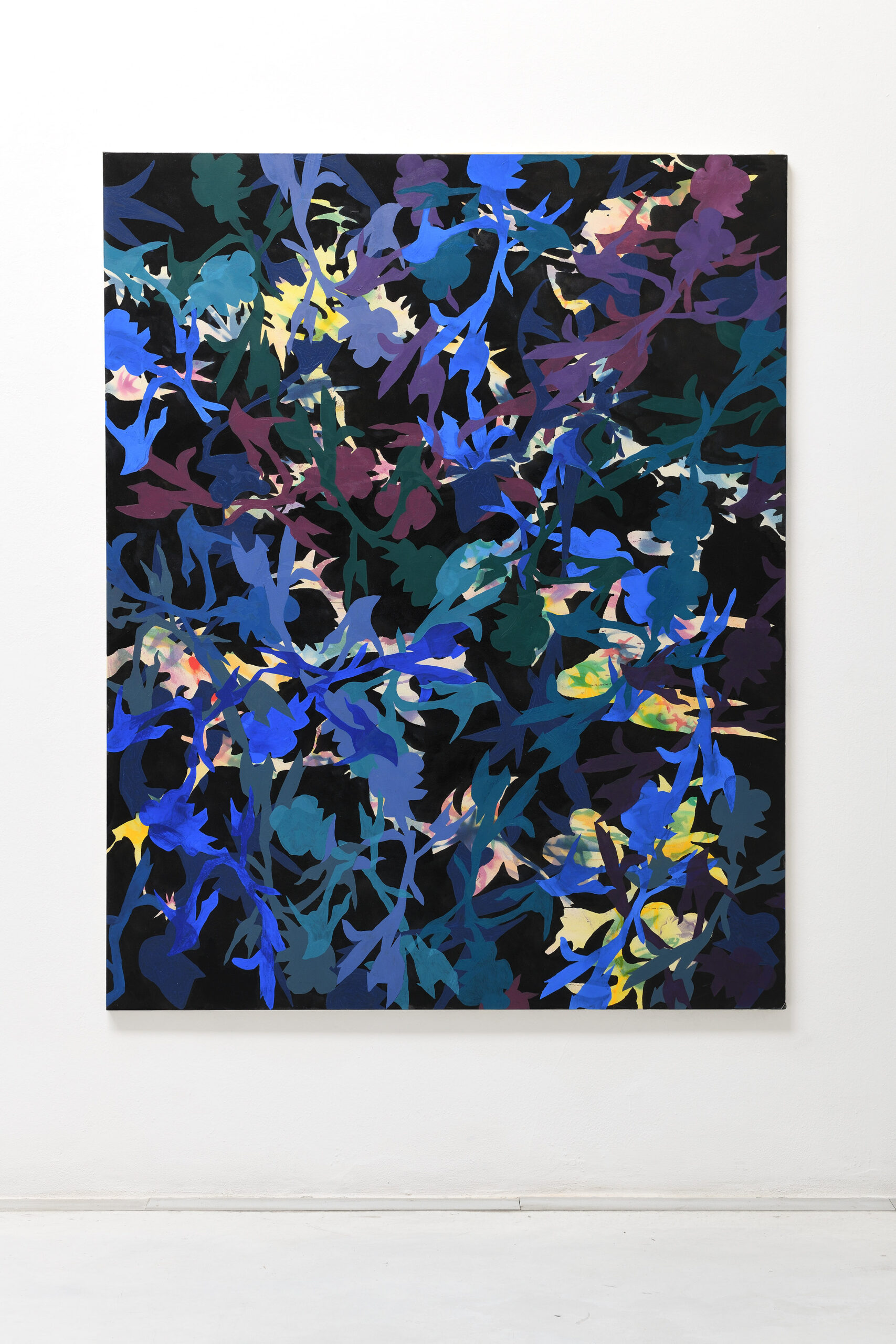
Hiroyuki Masuyama’s artistic practice connects sensory perception with cosmic thought to explore fundamental questions of existence and the cycle of life.
Through immersive light-and-painting installations, he investigates space, time stratification, and the universe, questioning the notions of “here” and “now.”
Parallelly, by tracing plant shadows and using light as a primary material, Masuyama visually captures the continuous process of growth and dissolution, manifesting the endless transformation linking the microcosm to the macrocosm.
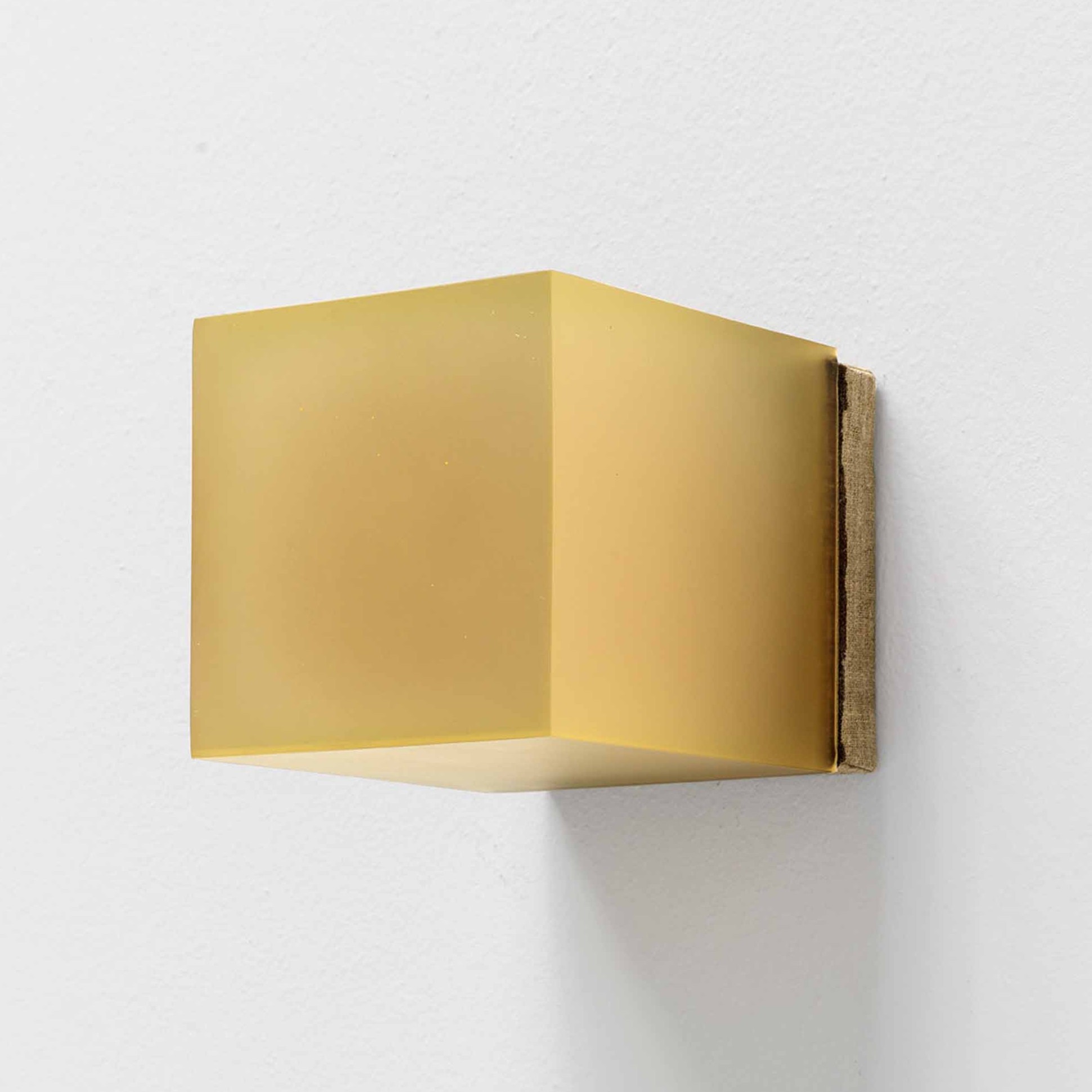
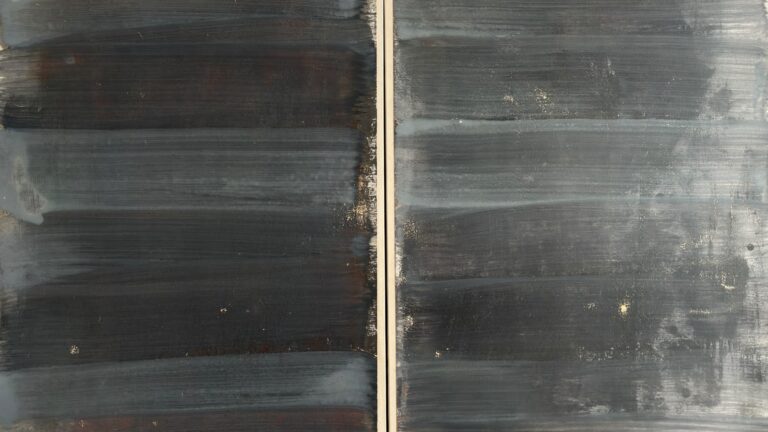
Herbert Hamak uses color not as a mere quality of form, but as a primal, translucent presence and a “living artwork” capable of condensing space and tuning the environment.
In historical contexts like Villa Valmarana, Castelvecchio, or Venice, his subtle, architectural interventions do not impose or decorate, but rather reveal a secret, latent vibration already present within the landscape and memory.
Ultimately, this long-standing practice subverts traditional monochrome boundaries by transforming physical sites into profound interior places where color truly becomes light.
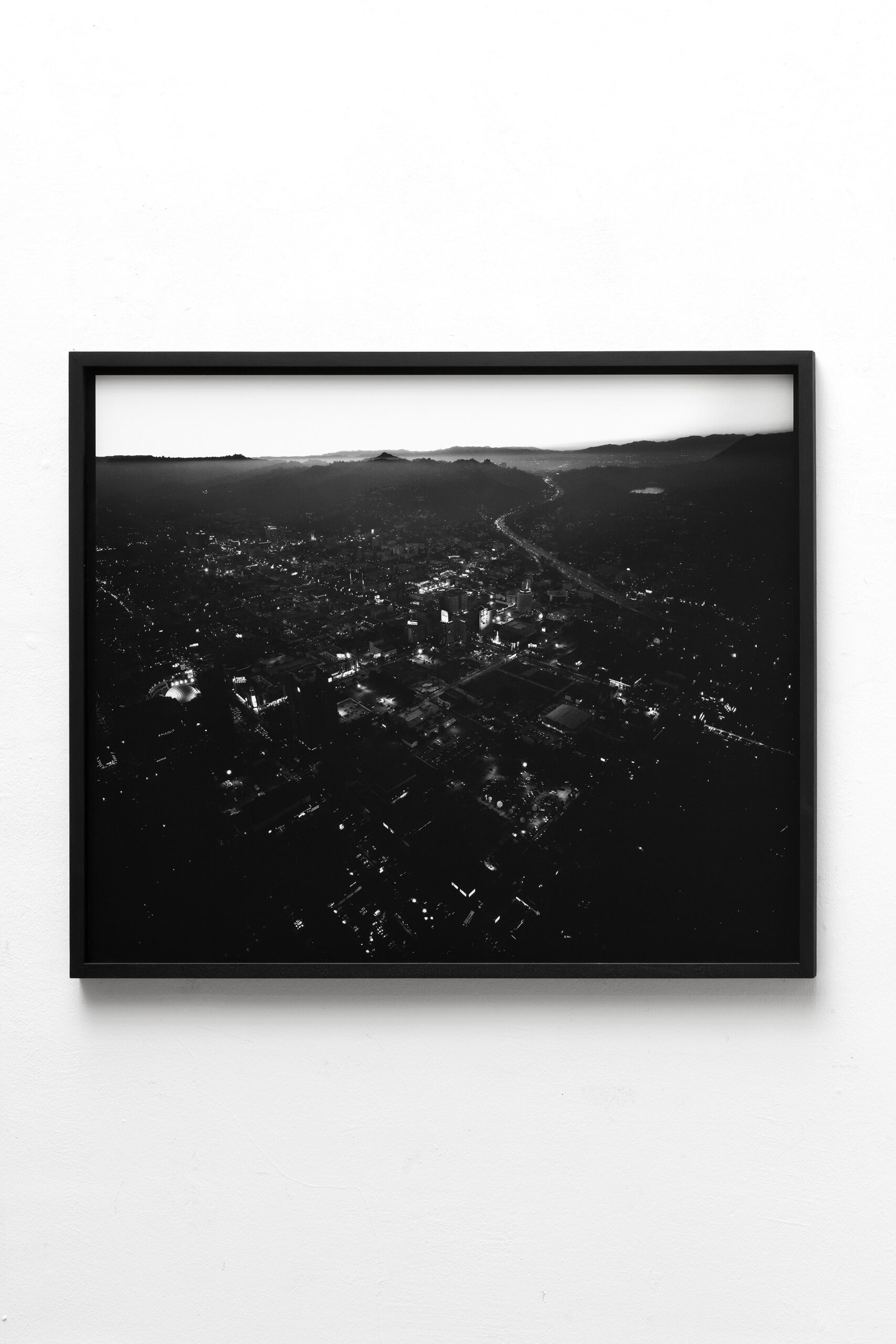
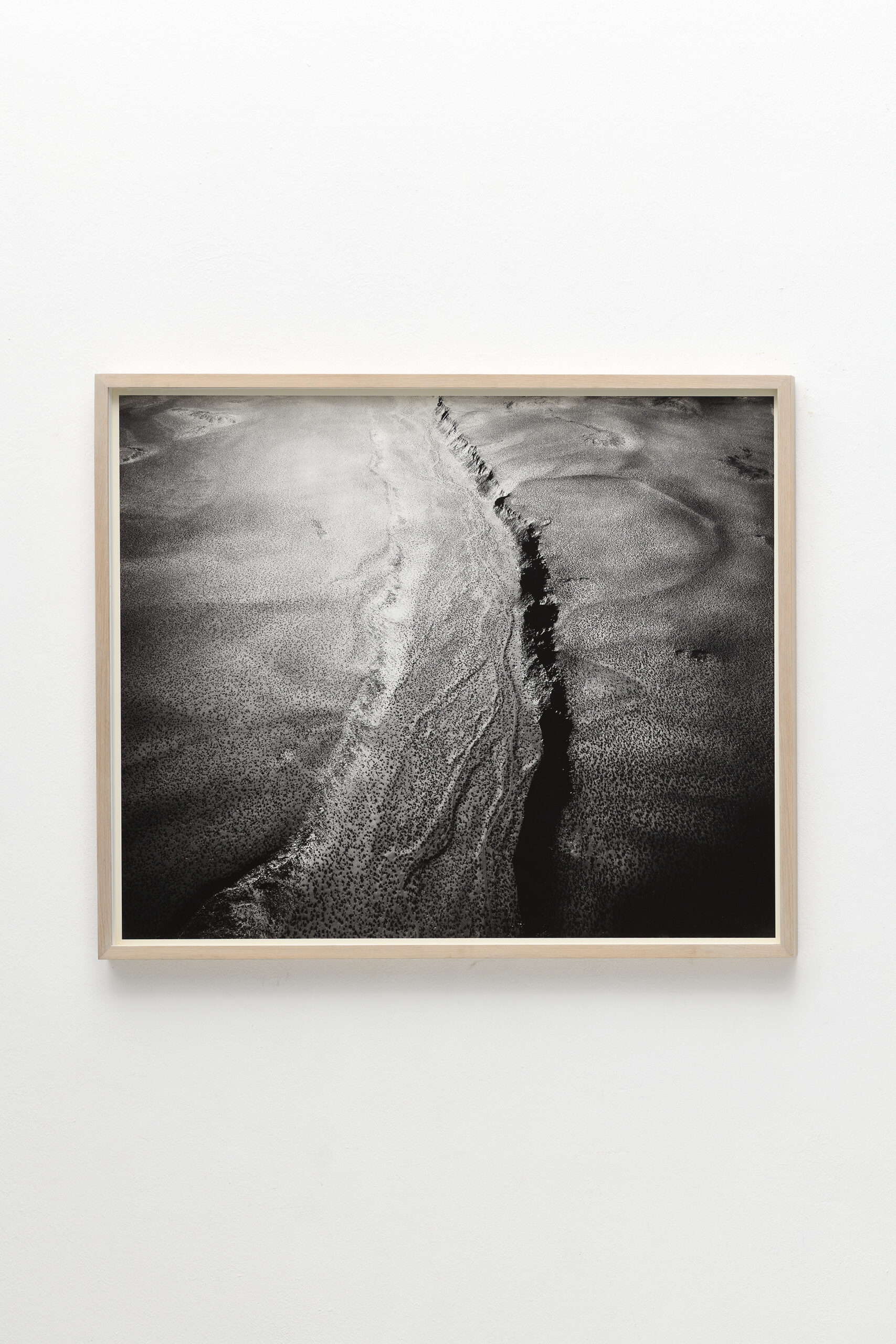
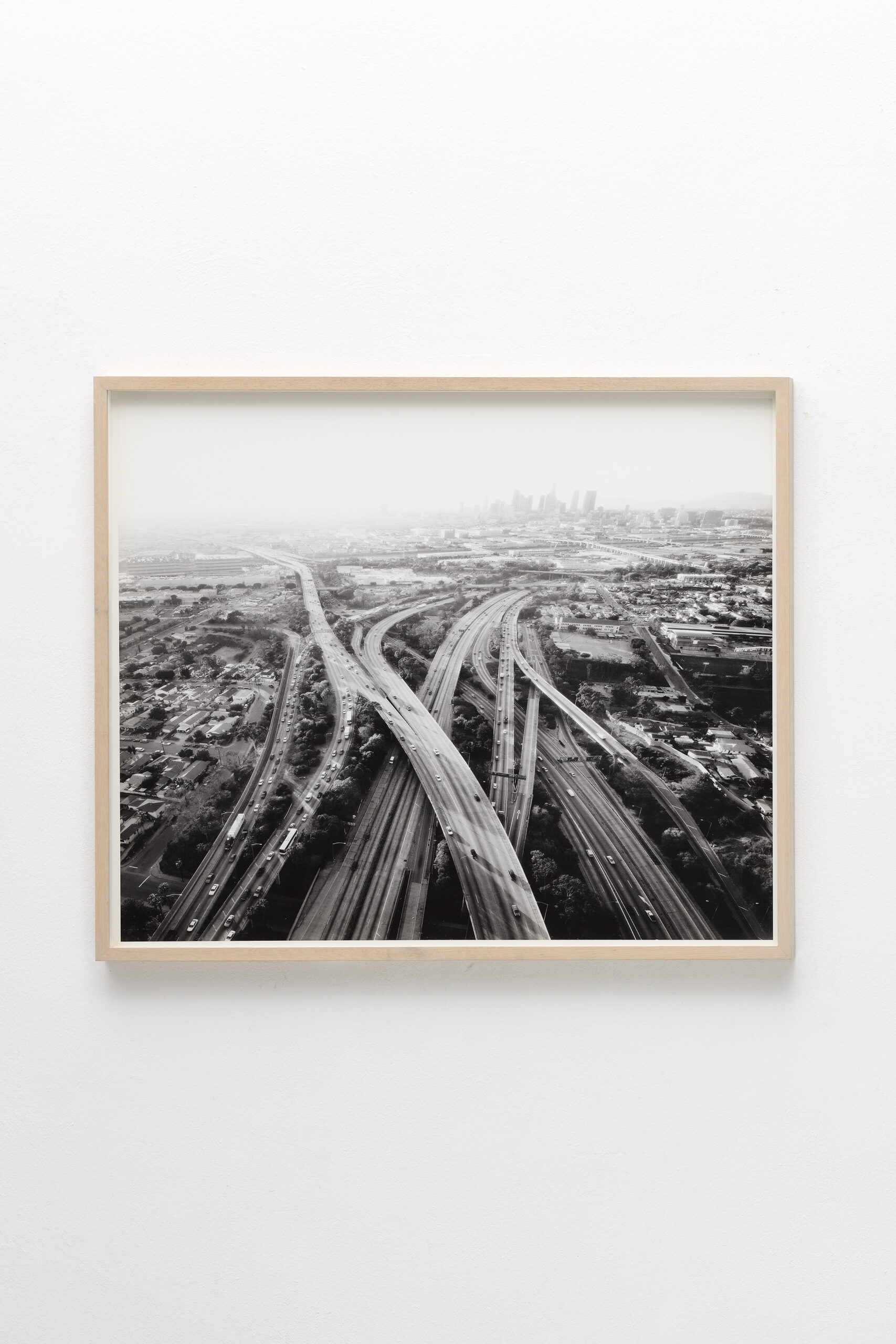
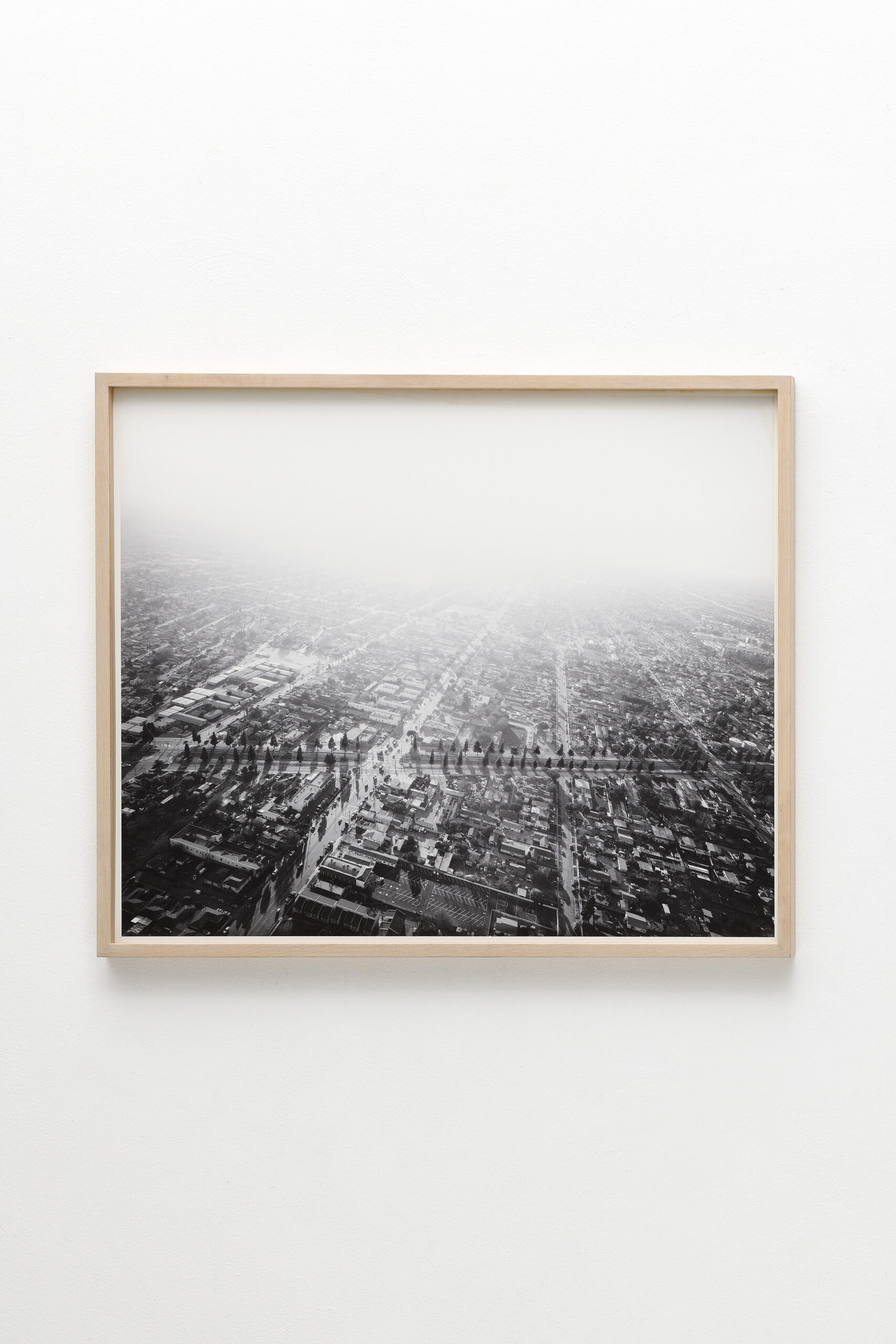
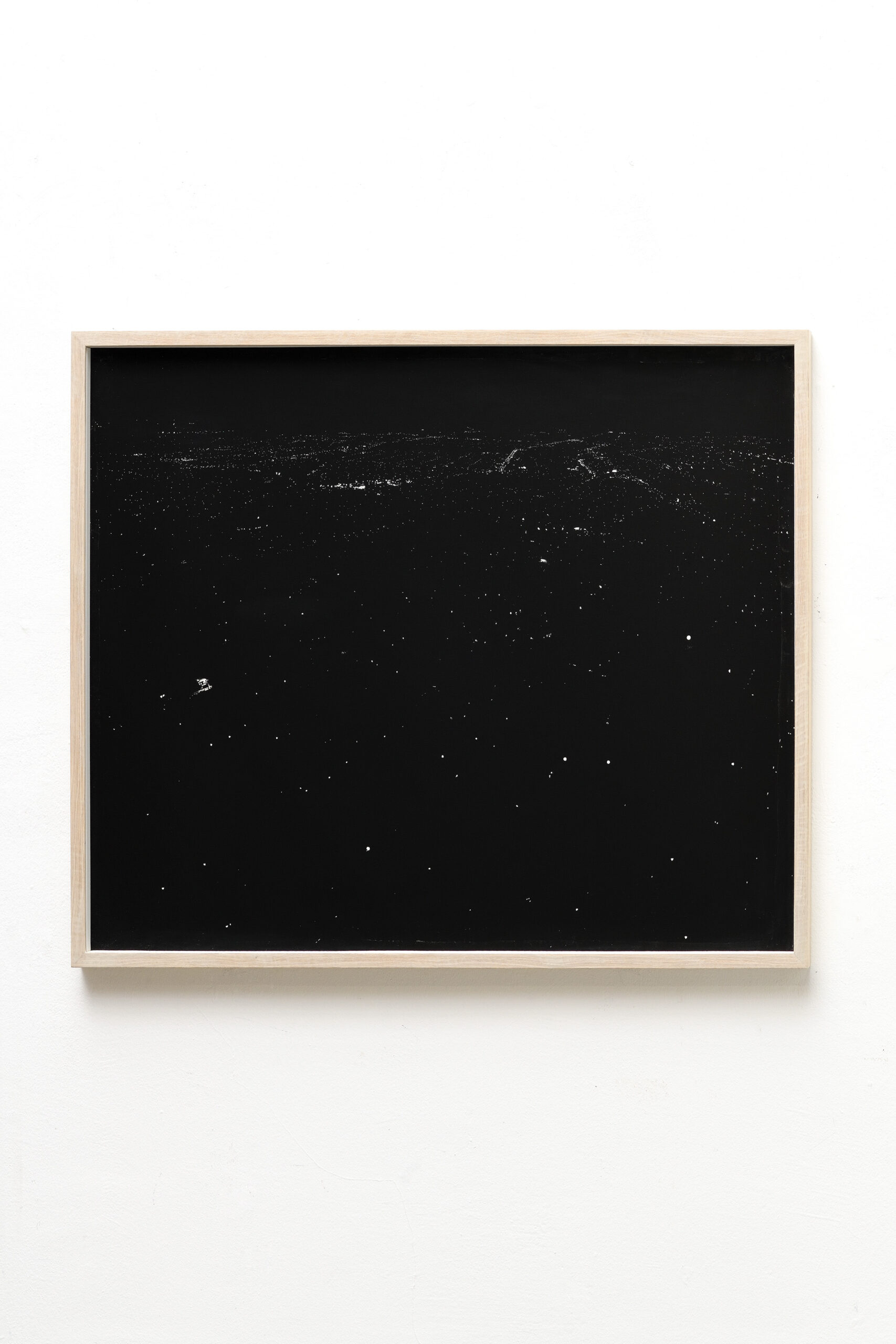
Michael Light has the unique ability to think and see along a wide spectrum of concepts. Like the landscapes he aerially photographs while carefully piloting a small plane, his creative vision is vast and encompassing.
| Alexandra Jo, Photo Eye, 2019
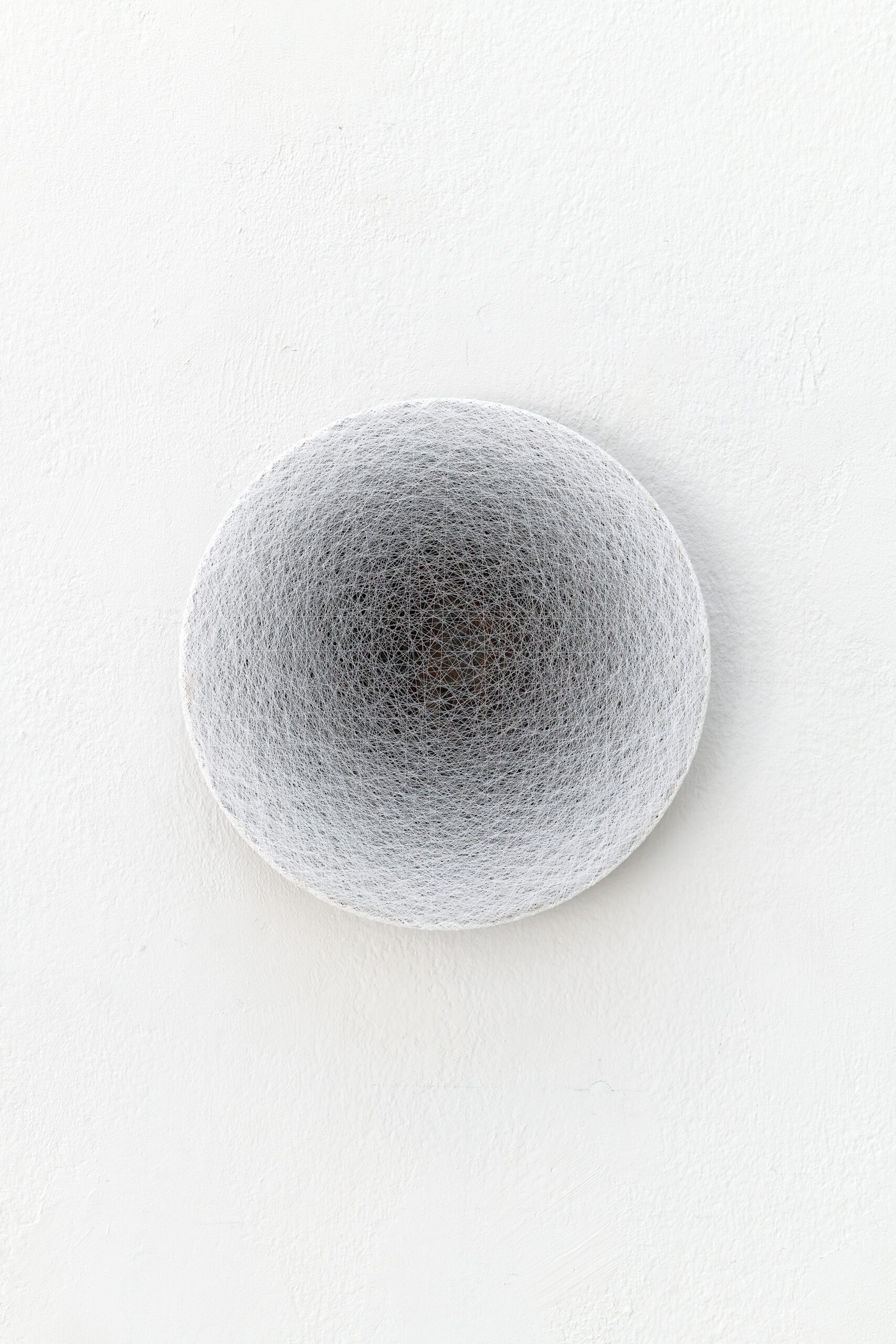
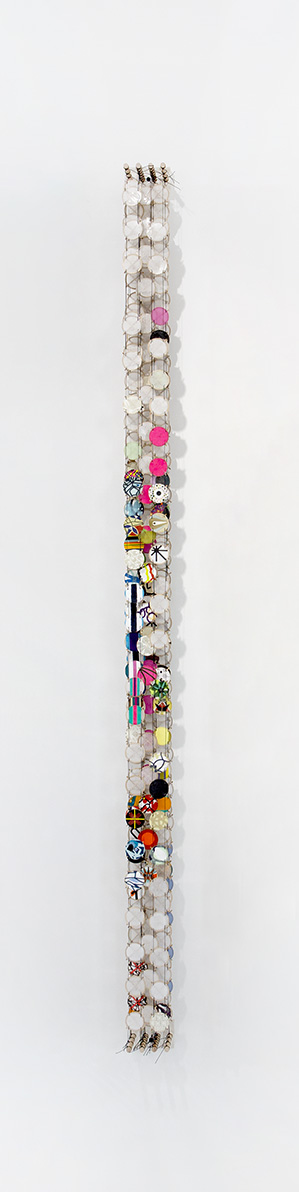
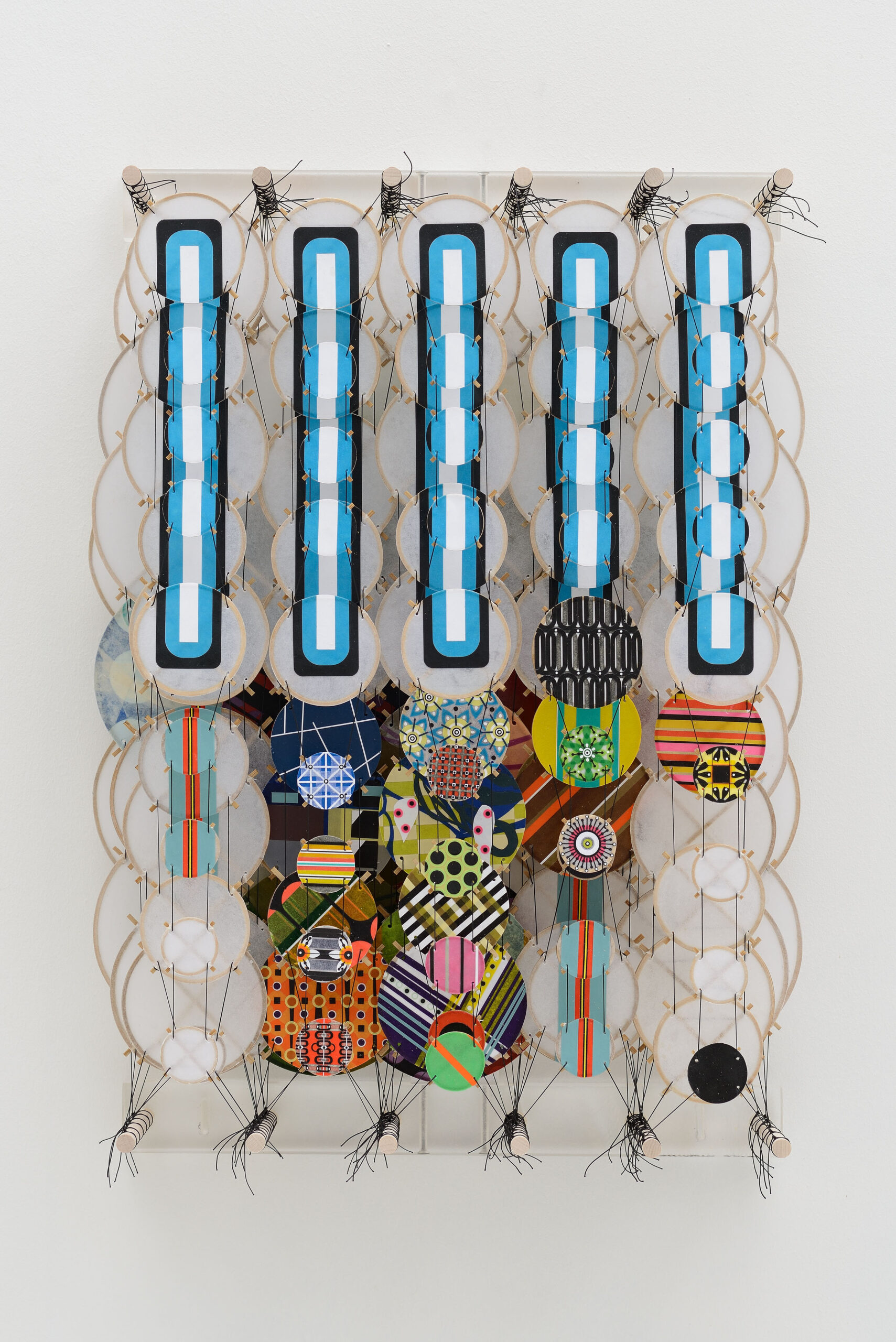
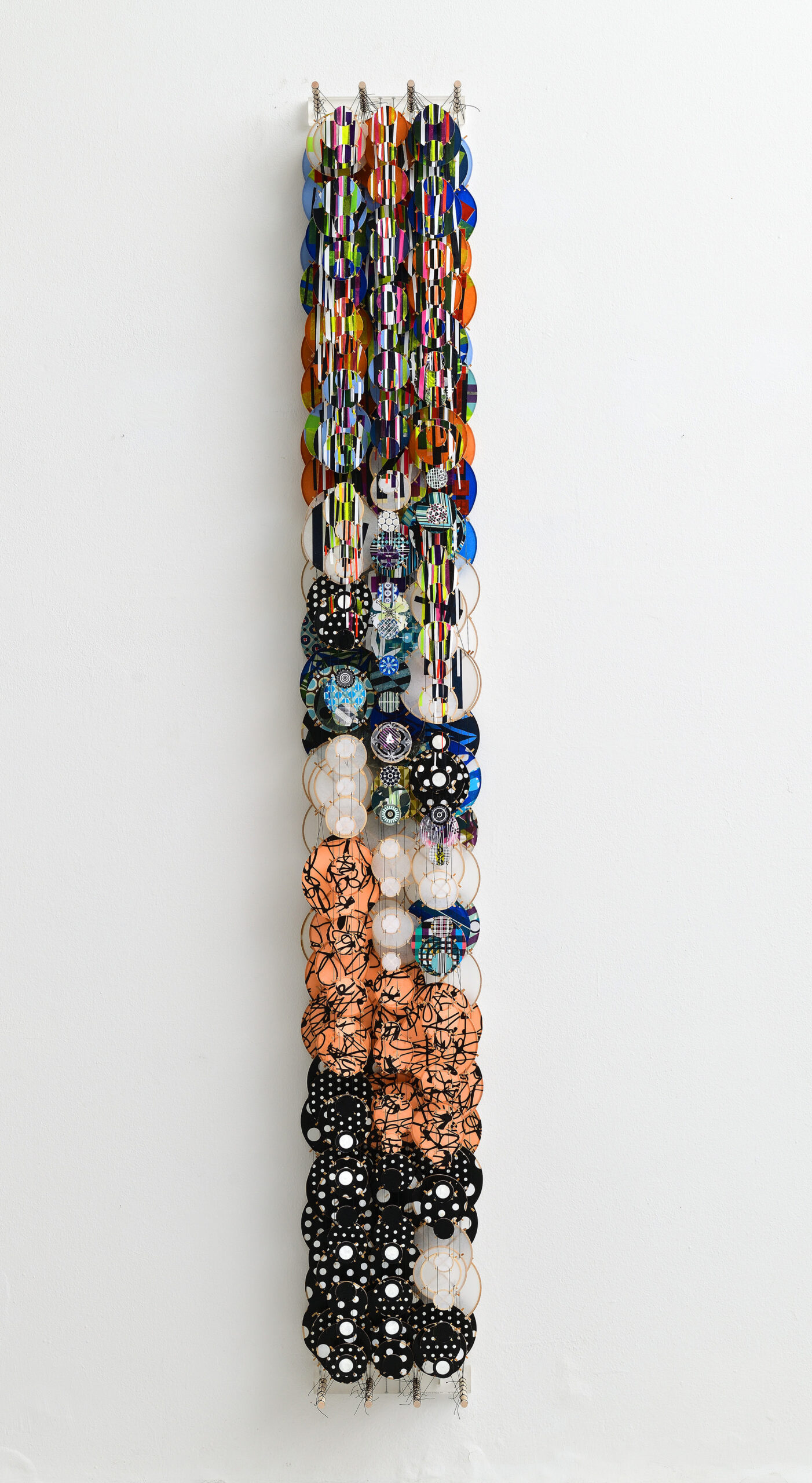
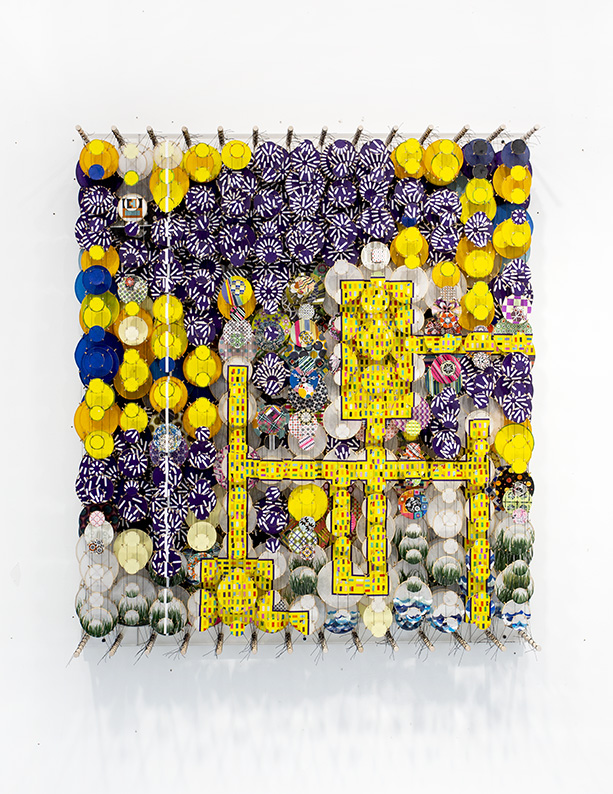
In truth, I have never really been concerned about whether I or somebody else builds my boats, kites, balls, or bottles. What does concern me is the quality of the individual elements and I am always looking for new and better ways to make individual elements faster and more exact. Working digitally and employing CNC milling, blow molding, vacuum forming, etc. allows me to make exceptionally precise objects to my exact specifications. It allows me to spend more time ‘making’ and less time producing…. which in turn makes for stronger, clearer, more thoughtful, and more direct artwork.
| Jacob Hashimoto, 2003
Short Show by Stefano Cattaneo is a short exhibition taking place in the indoor and outdoor spaces of Studio la Città.
Open to the public on Saturday 10 October 2026 from 5.00 pm to 9.00 pm.
The exhibition will feature a selection of works by the Veronese artist Stefano Cattaneo, created between 1989 and 1996.
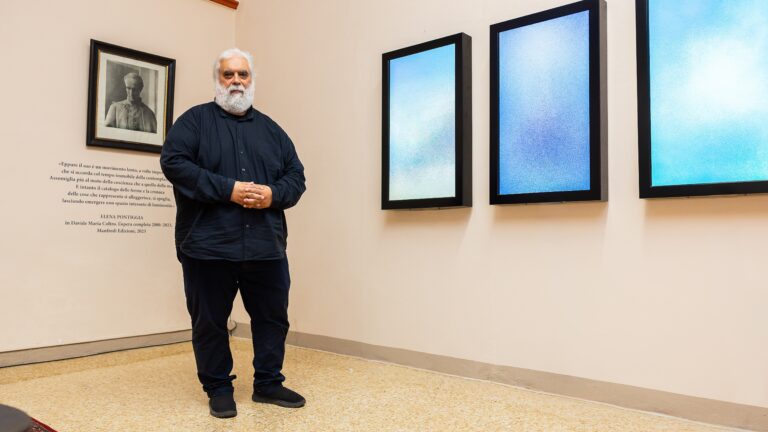
When contemporary art chooses to inhabit places steeped in historical memory, the result is often a metamorphosis of space and perception. This is exactly what happened in Stresa, on the shores of Lake Maggiore, where the historic Villa Ducale, the prestigious home of the International Center for Rosminian Studies, opened its doors for the first time to a contemporary art exhibition.
The protagonist of this cultural fusion is Davide Maria Coltro, a pioneer in Italy in the field of digital languages and electronic painting.
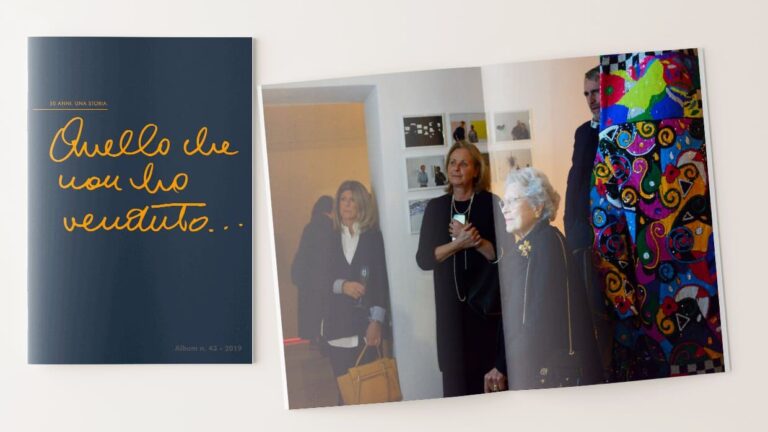
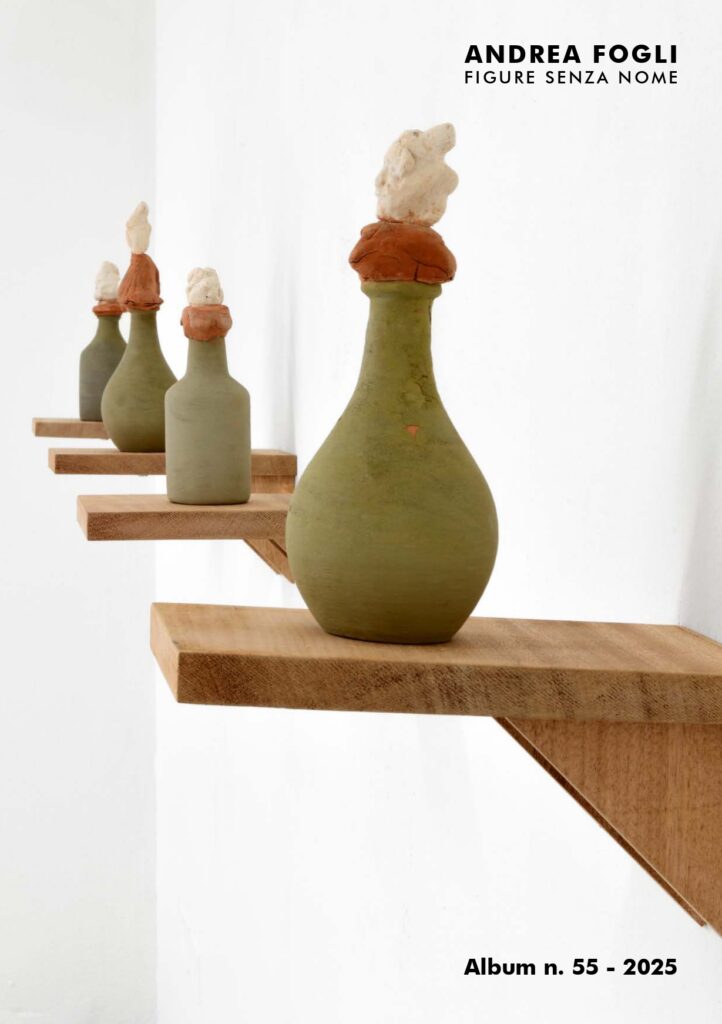
Studio la Città is soon opening its online book-store to the public on www.studiolacitta.it ; imagined to offer catalogues, albums and books about the exhibitions curated and hosted in and out of the gallery space.
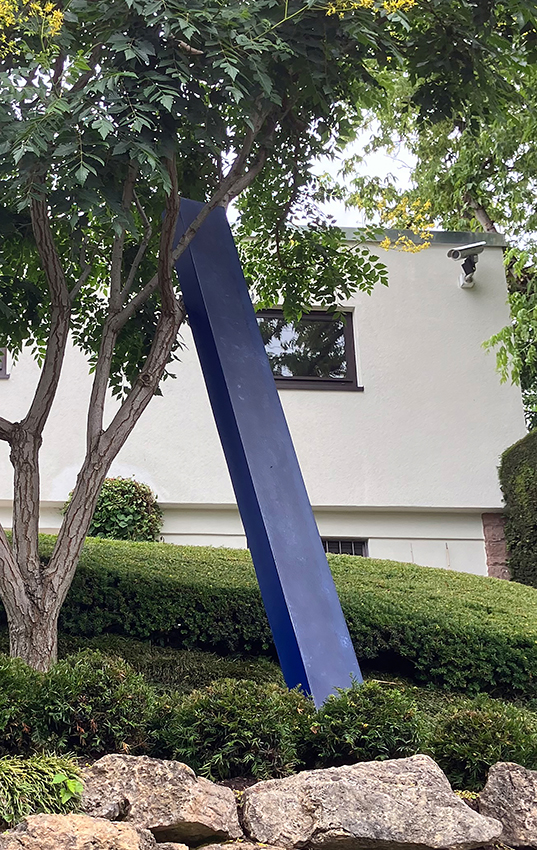
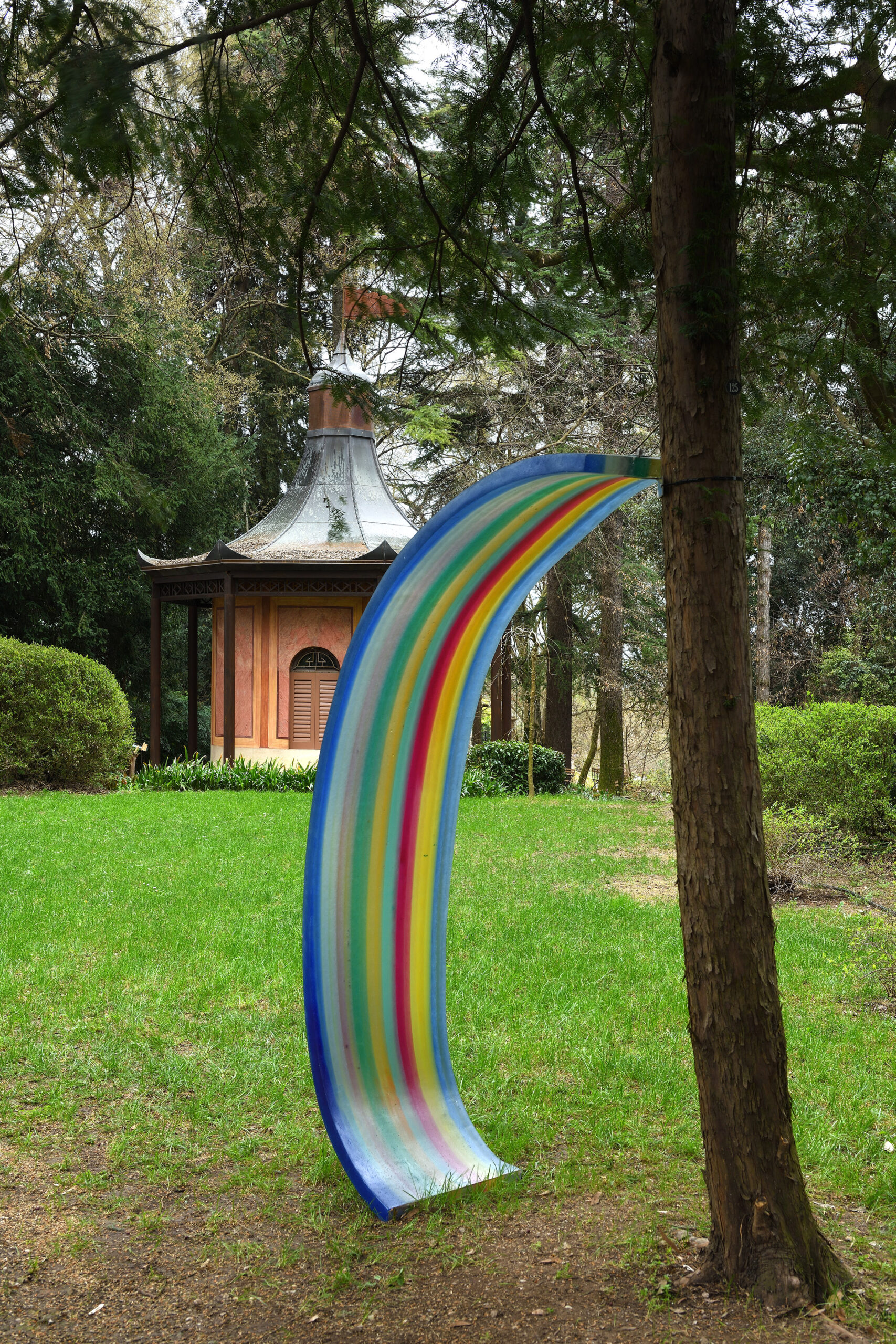
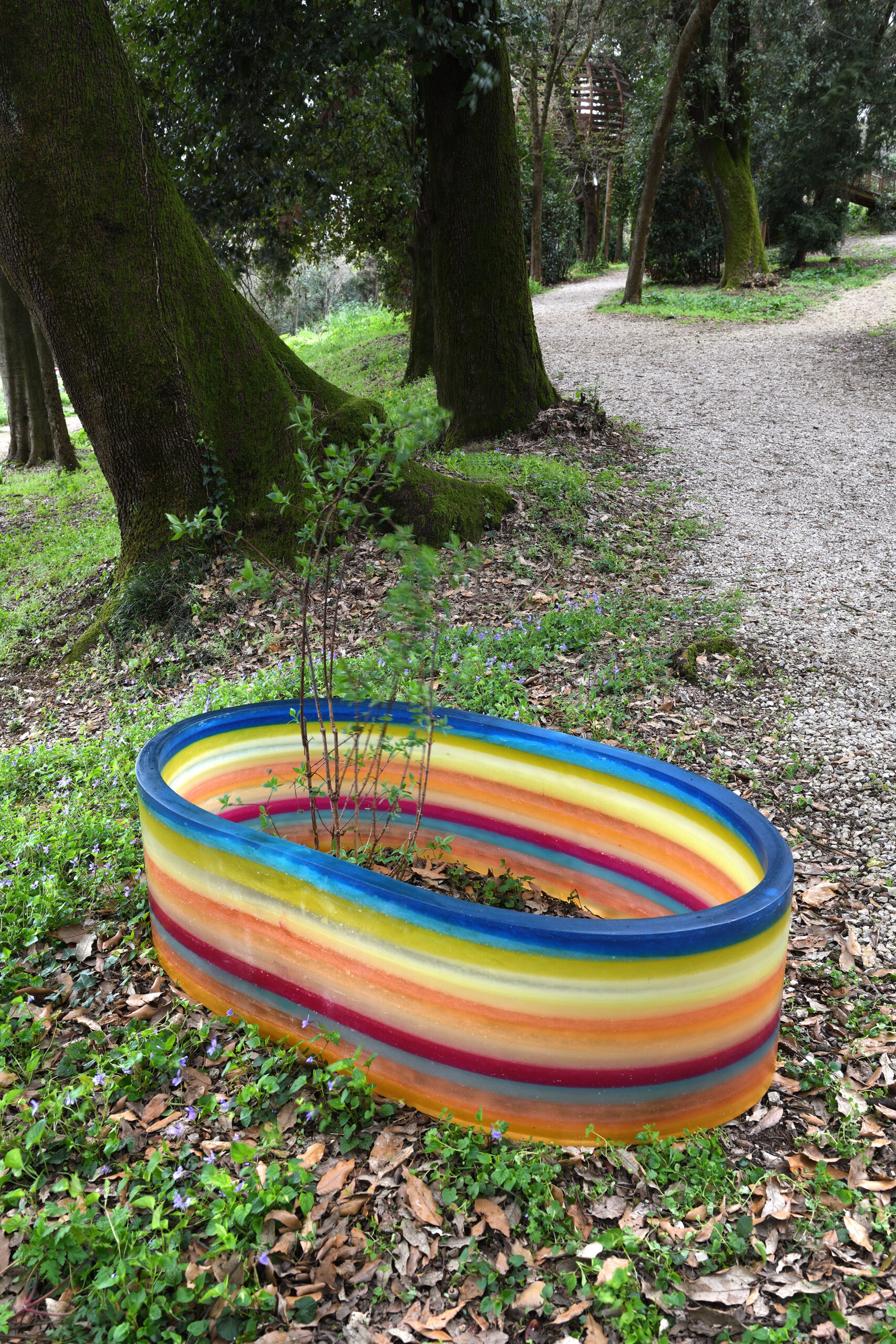
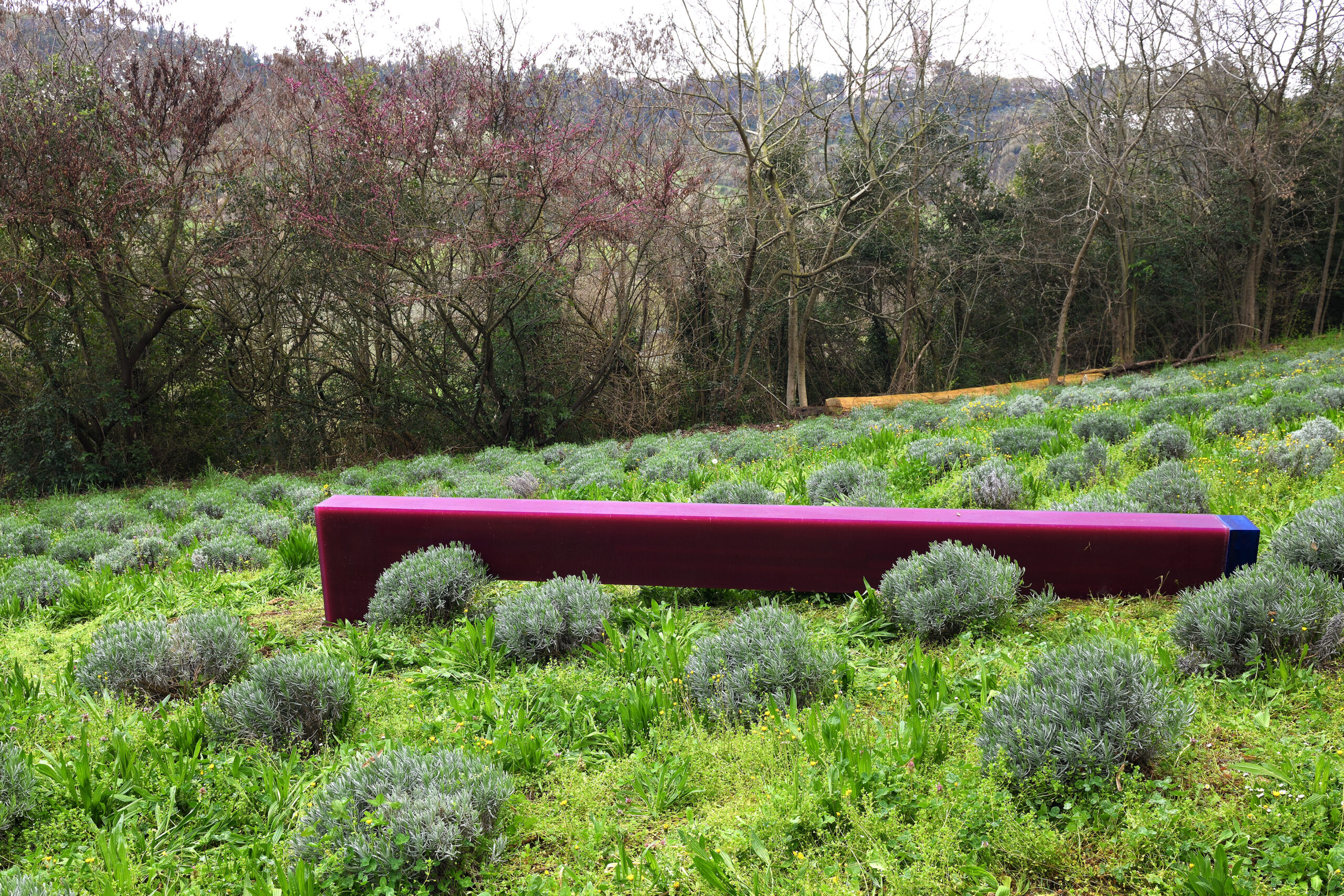
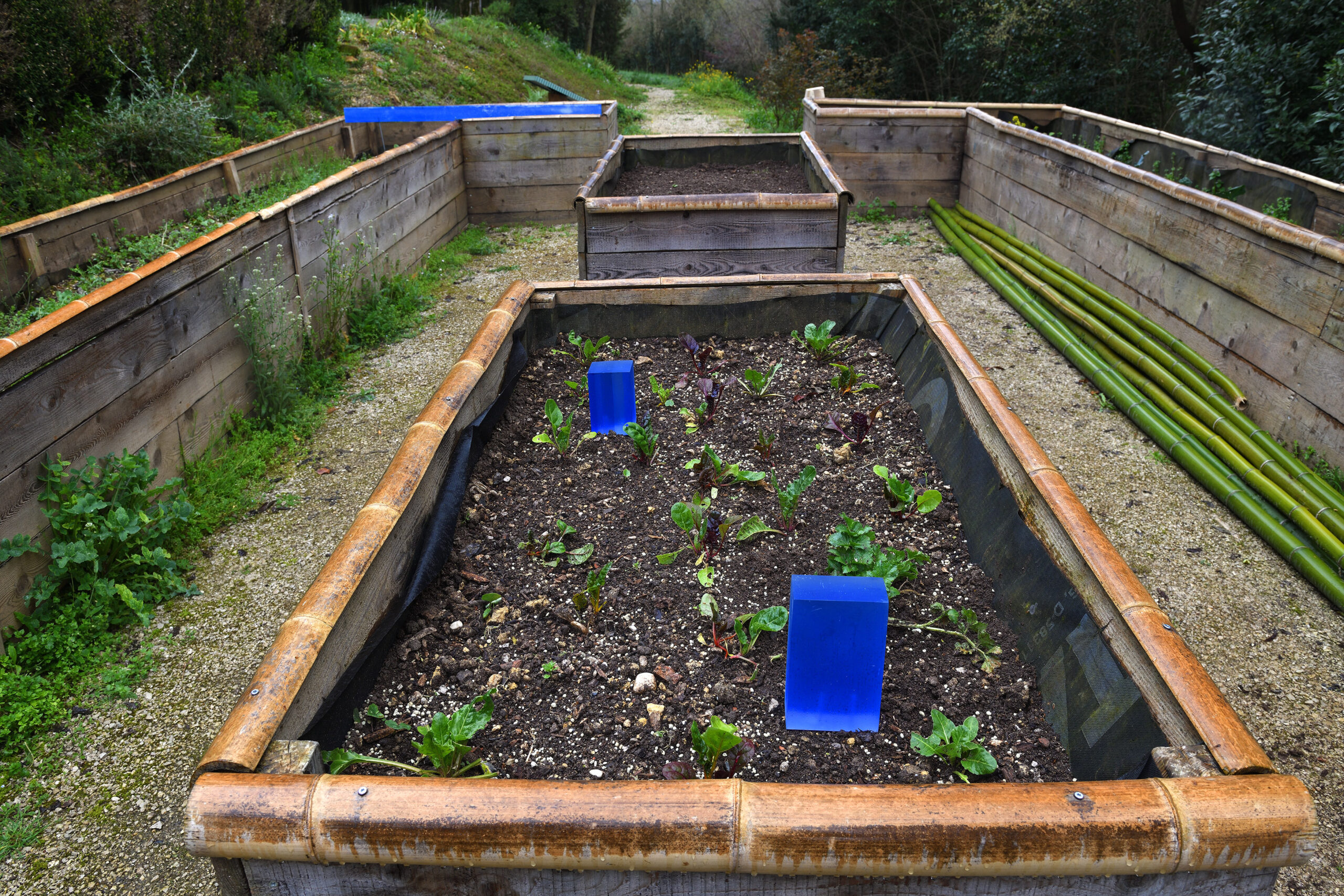
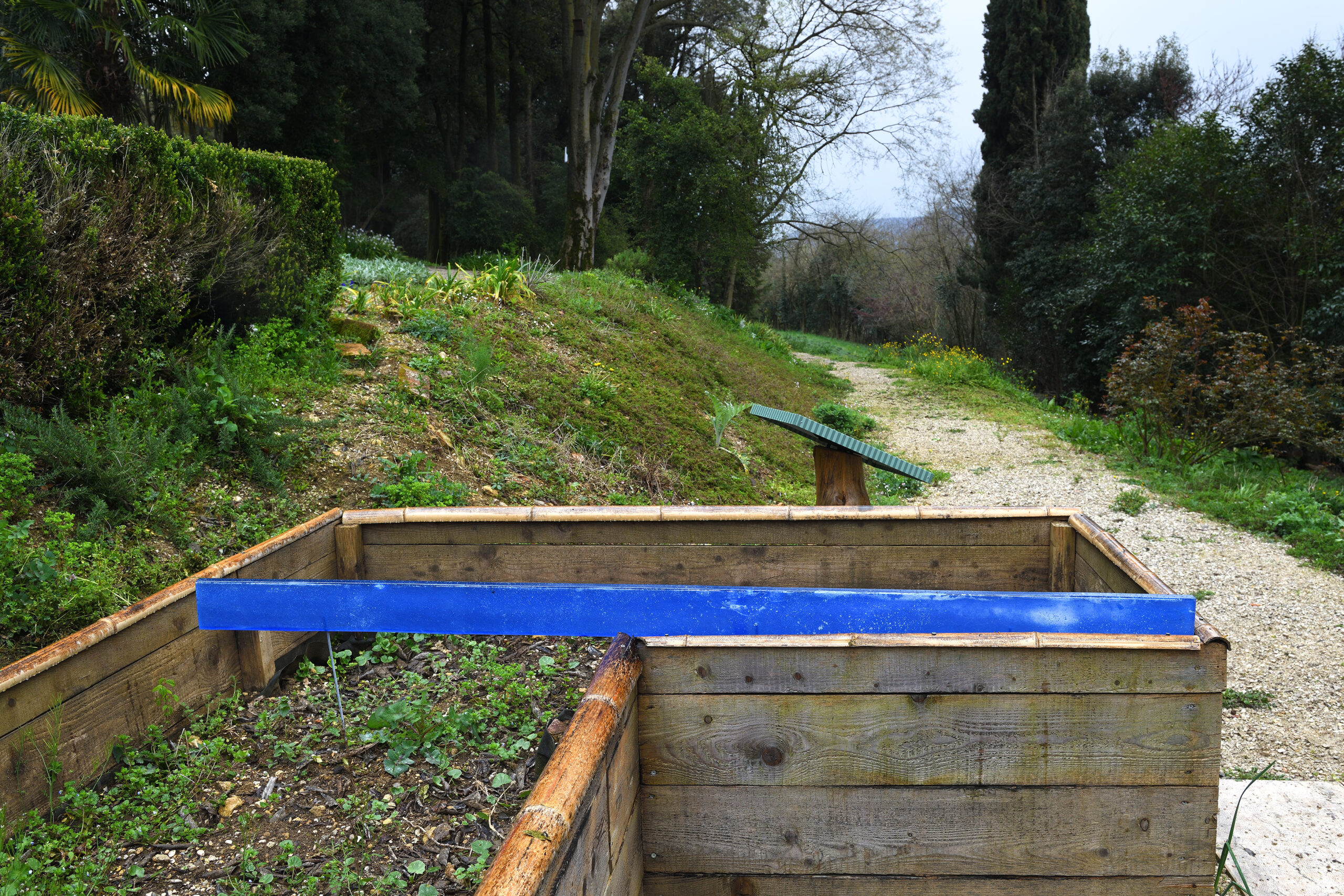
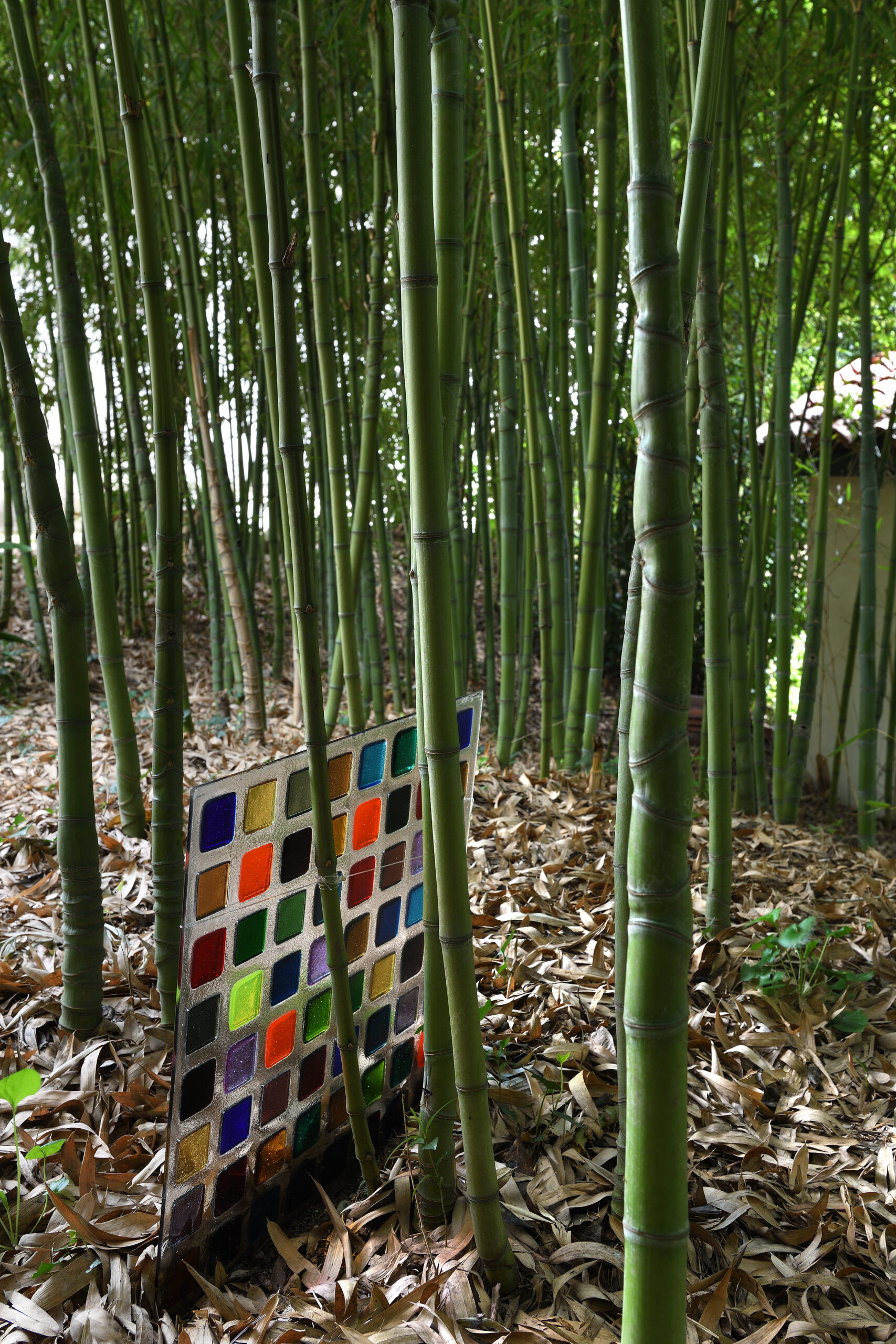
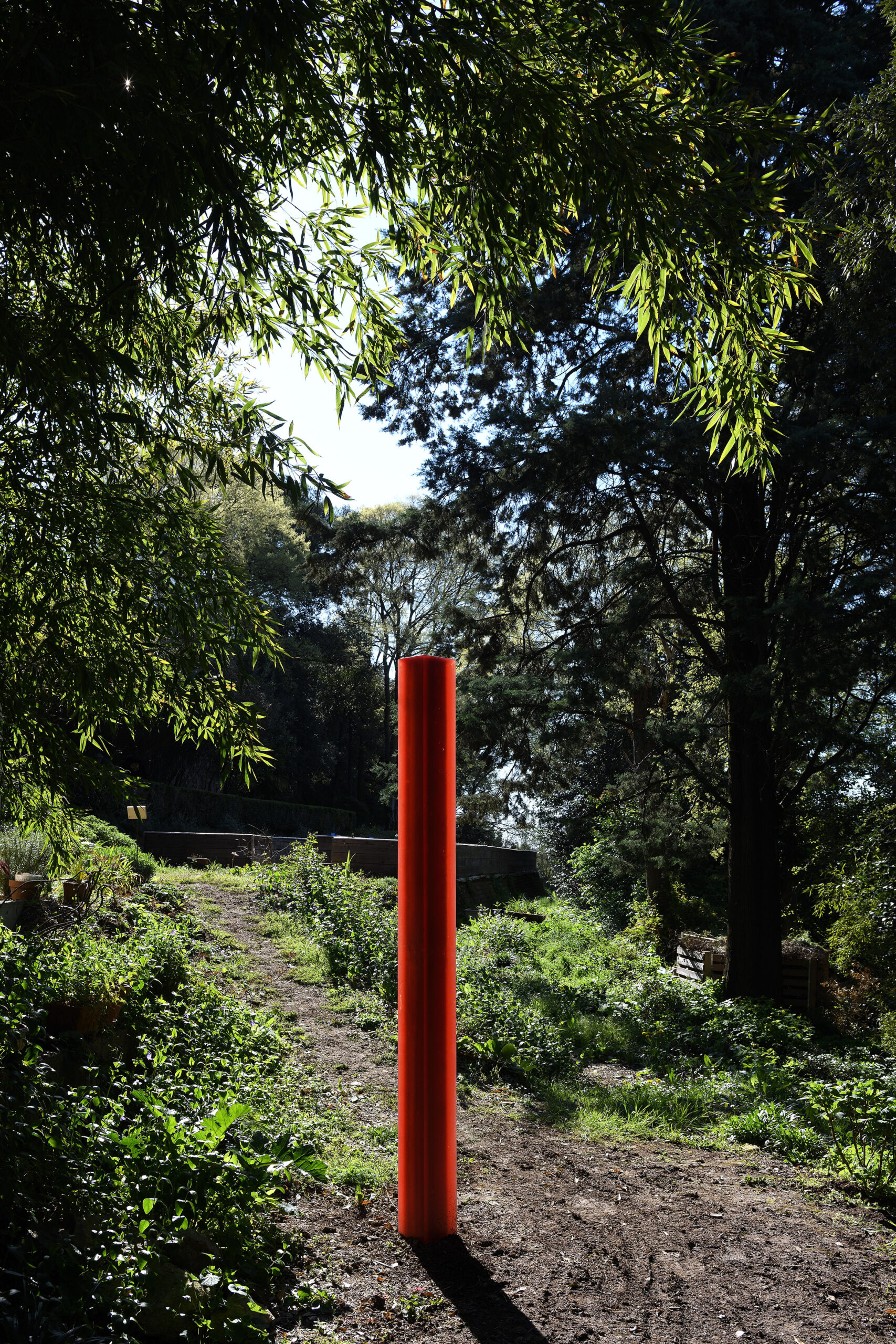
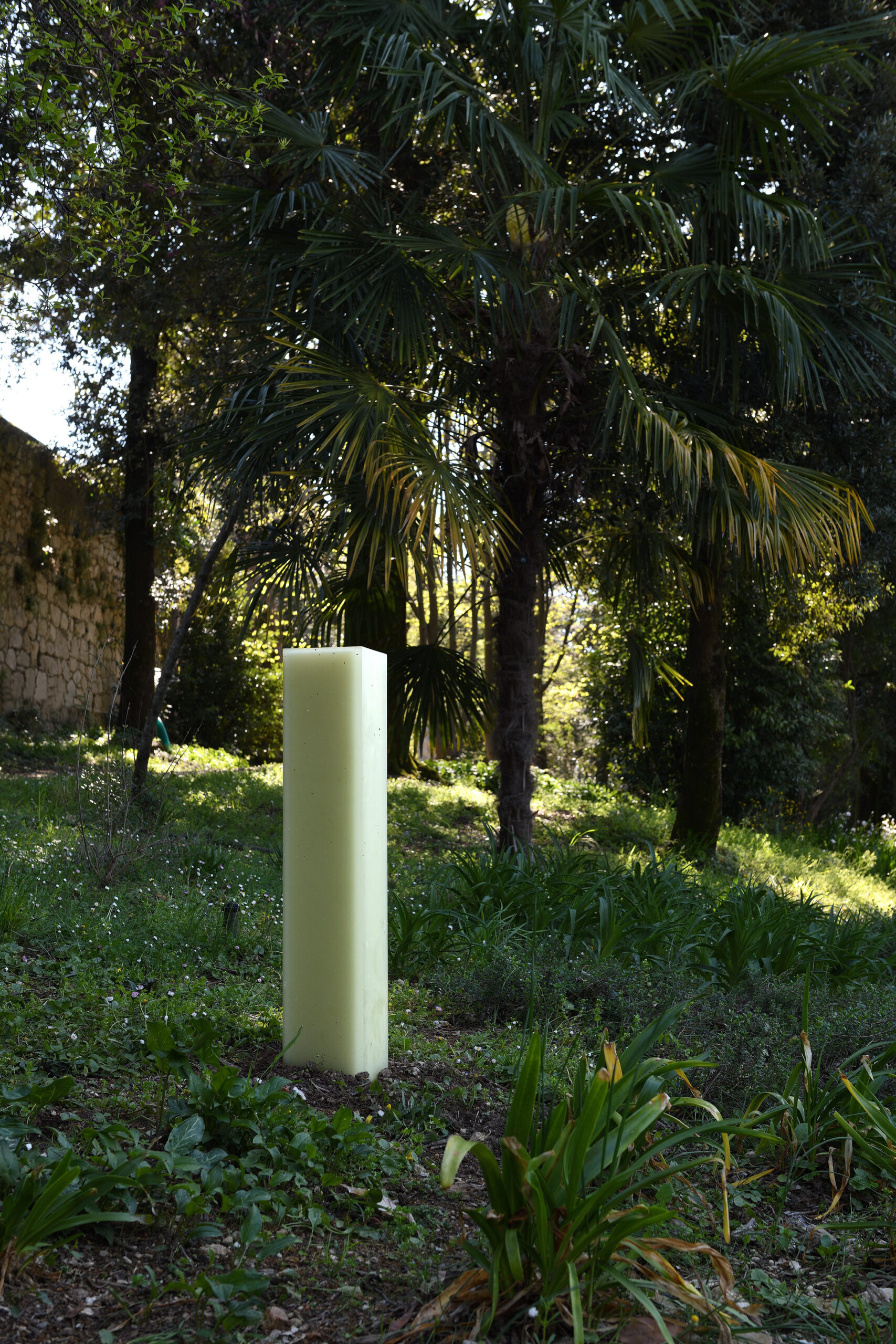
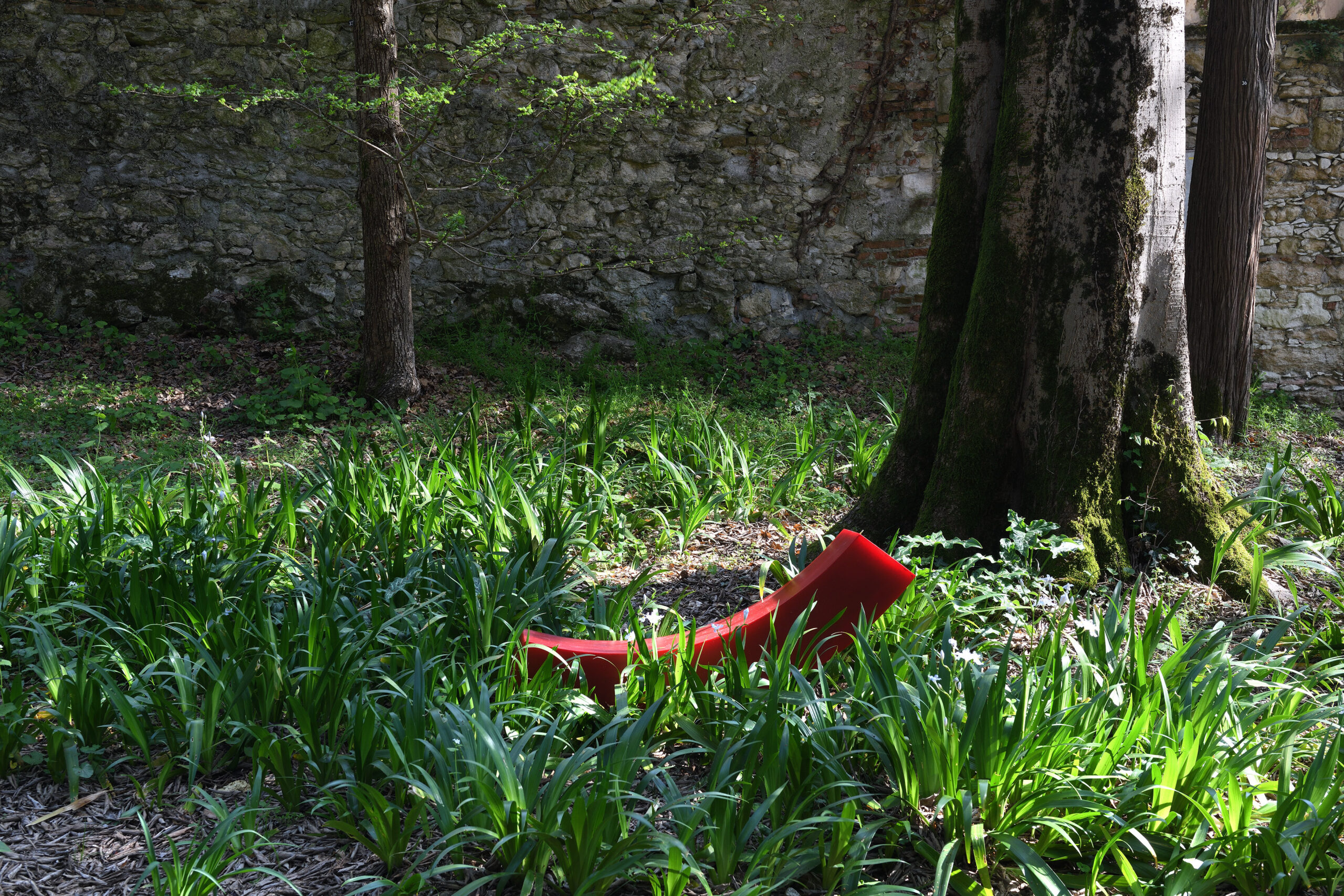
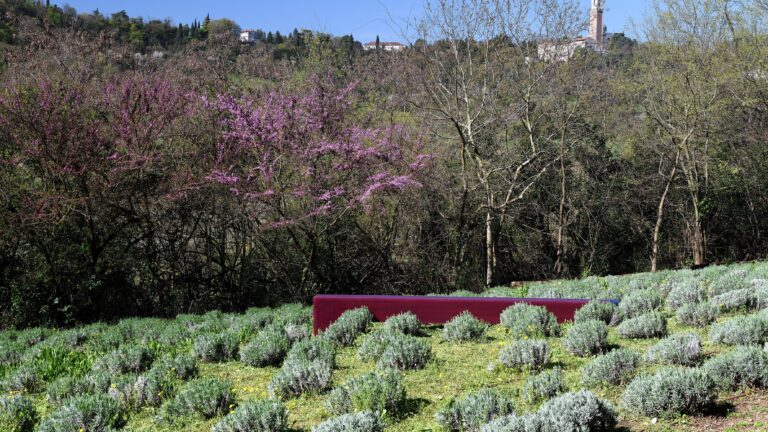
Herbert Hamak’s works in the forest of Villa Valmarana ai Nani, Vicenza, certainly constitute an exhibition, but the result is, above all, an environmental installation.
The forest’s seasonal cycle of growth transforms it continuously, every season, every day, every hour. Budding, flowering, and leafing recur endlessly, always in new ways, as part of the natural rhythm of the forest at Villa Valmarana ai Nani.
Herbert Hamak’s installation, composed of blocks, columns, bars, cubes, and curved forms made from a composition of resin and coloured pigment, materials that seem as far removed as possible from the unfolding of a flower in its natural setting, despite this complete dissonance with natural phenomena, adds something essential to nature’s unfolding. The Needle, becomes a compass, a sextant, and an hourglass within a forest that was already alive. It introduces order: art brings the human and the natural into harmony.